
The trump administration investigation into Democratic lawmakers who appeared in a video urging service members to resist unlawful orders has escalated significantly, with the Justice Department now contacting members of Congress for formal interviews. This development marks a dramatic chapter in the ongoing tension between the executive branch and elected officials who have publicly challenged administration policies.
In a move that has drawn sharp criticism from Democratic leaders and free speech advocates, federal prosecutors have reached out to six Democratic members of Congress,all of whom previously served in the military or at intelligence agencies. The lawmakers had participated in a 90-second video message encouraging troops to refuse commands that violate the law.
The Video That Sparked Federal Scrutiny
The controversy began when six Democratic lawmakers released a video telling military service members to follow established protocols by rejecting orders that violate the law. The video, which became a flashpoint in political discourse, warned that the administration was “pitting our uniformed military against American citizens” and called on service members to “stand up for our laws.”
President Donald Trump responded by labeling the message “seditious”,an offense he claimed on social media was “punishable by death.” However, legal experts have questioned whether any actual laws were violated by the lawmakers’ statements, which amounted to encouraging compliance with existing military regulations.
Key Lawmakers Under Investigation
The Democratic lawmakers investigation encompasses several prominent figures:
- Sen. Elissa Slotkin (Michigan) – A former CIA analyst who first revealed the prosecutor outreach in an interview with The New York Times
- Sen. Mark Kelly (Arizona) – A retired Navy Captain facing separate Pentagon action
- Rep. Chrissy Houlahan (Pennsylvania) – An Air Force veteran representing Chester and parts of Berks County
- Rep. Jason Crow (Colorado) – A former Army Ranger
- Rep. Maggie Goodlander (New Hampshire) – A former Navy intelligence officer
- One additional senator whose identity has not been publicly disclosed
Sen. Slotkin posted a video on her X account explaining that the office of U.S. Attorney Jeanine Pirro,the chief federal prosecutor in Washington, D.C.,had contacted her requesting an interview. “This is the president’s playbook,” Slotkin stated. “Truth doesn’t matter. Facts don’t matter. And anyone who disagrees with him becomes an enemy.”
The Escalation From FBI to DOJ Involvement
The path to this trump administration investigation began late last year when the FBI first contacted the lawmakers for interviews following the video’s release. The recent escalation to involvement from the U.S. Attorney’s Office for the District of Columbia represents a significant intensification of the federal government’s attention to the matter.
Notably, Pirro’s office has declined to confirm or deny whether an investigation is officially taking place, maintaining the customary silence of federal prosecutors regarding ongoing matters. This reticence has done little to quell concerns among the targeted lawmakers and their allies.
Houlahan Speaks Out Against Federal Pressure
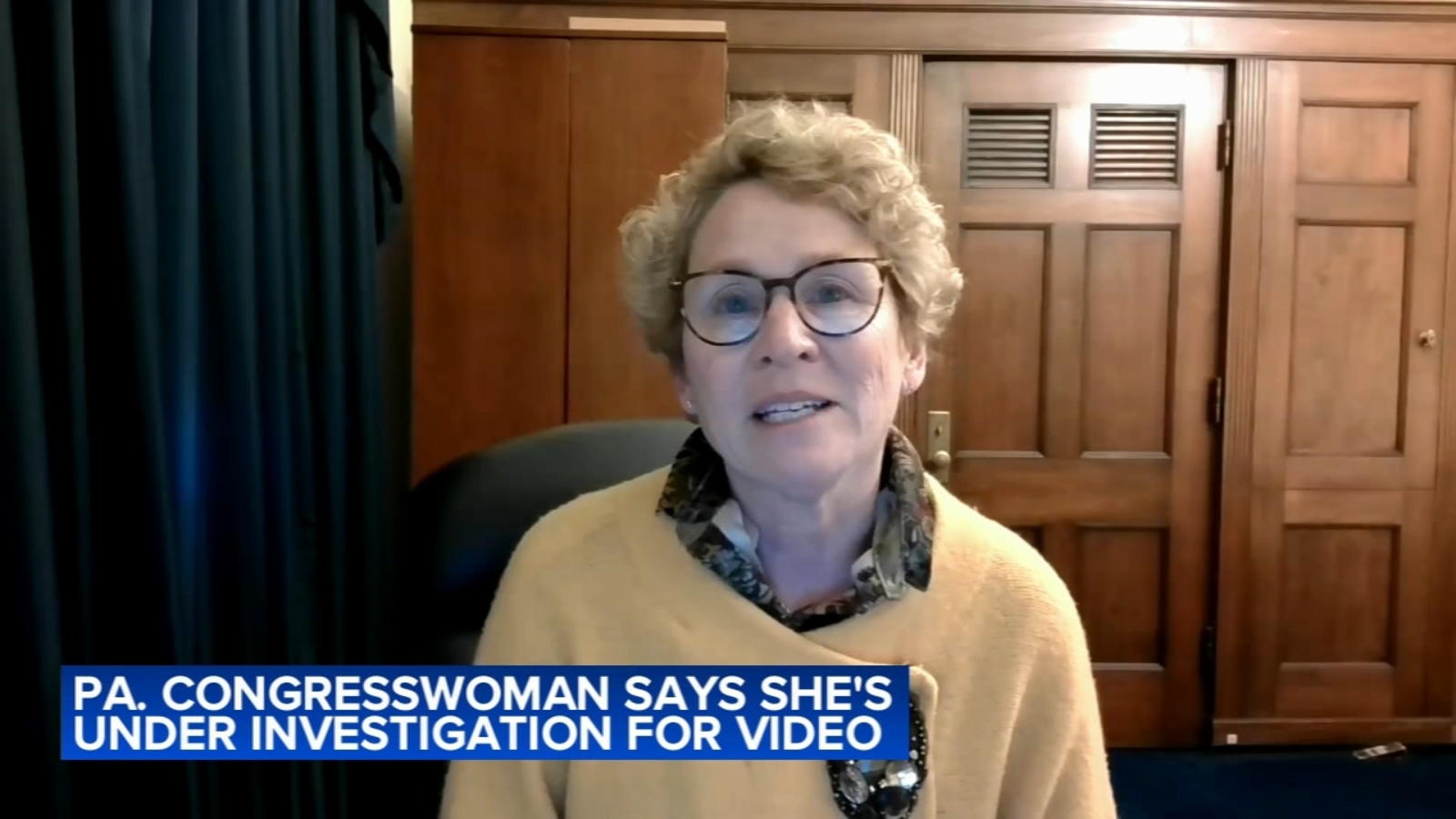
Pennsylvania Congresswoman Chrissy Houlahan has been particularly vocal about the situation, telling reporters that she was recently approached by the Department of Justice for information about conversations she had regarding the video.
“Largely at this point, they are asking for conversations, and I’m not sure to what end,” Houlahan explained. “Again, no laws were broken in encouraging people to follow the law.”
The Congresswoman expressed serious concerns about the broader implications of the federal probe, noting that investigations of this nature can have personal consequences beyond political intimidation. “I do think it ends up, unfortunately, putting people like me in danger and my family and my team,” she warned.
Pentagon Takes Separate Action Against Senator Kelly
In a parallel development, the Department of Defense has pursued its own course of action against Sen. Mark Kelly. Defense Secretary Pete Hegseth has formally censured the Arizona Democrat for his participation in the video, citing a federal law that allows retired service members to be recalled to active duty.
The Pentagon opened its investigation into Kelly in November, and Hegseth is now attempting to retroactively demote the senator from his retired rank of captain. This unprecedented action has prompted Kelly to file a lawsuit against Hegseth, arguing that the proceedings represent unconstitutional retaliation.
Kelly’s legal challenge asserts that “the First Amendment forbids the government and its officials from punishing disfavored expression or retaliating against protected speech.” The lawsuit frames the Pentagon’s actions as an attempt to punish Kelly for exercising his constitutional rights rather than for any genuine military misconduct.
First Amendment Implications at the Center of the Debate
The First Amendment concerns raised by this case extend beyond the specific circumstances of the military video message. Legal scholars and civil liberties advocates have pointed to the fundamental question of whether the government can use its investigative and prosecutorial powers to target political speech.
Rep. Goodlander addressed these concerns directly in a statement, declaring: “It is downright dangerous that the Justice Department is targeting me for doing my job. These threats will not deter, distract, intimidate, or silence me.”
The lawmakers have framed their original video not as an attempt to undermine military discipline, but as a defense of the constitutional principles that govern the armed forces. Military law itself requires service members to refuse unlawful orders, making the video’s message consistent with established legal doctrine rather than contrary to it.
Democrats Mount a Coordinated Response
House Democratic Leader Hakeem Jeffries has publicly defended his colleagues, stating unequivocally that “these members of Congress did not violate the law” and that Democrats “stand firmly behind them.” This coordinated response reflects the party’s determination to frame the investigation as politically motivated rather than legally warranted.
Rep. Crow echoed this defiant posture, suggesting the administration has made a strategic miscalculation by targeting this particular group of lawmakers. “The Trump administration picked the wrong people,” he asserted, signaling that the lawmakers intend to use their public platforms to challenge what they characterize as government overreach.
Concerns of Weaponizing Government Agencies
The investigation has intensified longstanding concerns about the weaponization of federal law enforcement and military institutions for political purposes. Houlahan articulated this worry with particular clarity, observing that “it should be worrisome to everyone that the administration appears to be weaponizing the Department of Justice and the Department of Defense as well, against people who dare to speak out against the president, or who dare to say the truth.”
This characterization reflects a broader anxiety about the boundaries between legitimate law enforcement activities and politically motivated prosecutions. Critics of the investigation argue that using the Justice Department to pursue political opponents undermines the institution’s credibility and independence.
What Happens Next in the Investigation
As the trump administration investigation continues to unfold, several key questions remain unanswered. It remains unclear what specific laws prosecutors believe may have been violated, given that the video’s content appears to align with established military doctrine regarding unlawful orders. The Department of Justice has not publicly articulated the legal basis for the investigation.
Meanwhile, the separate Pentagon proceedings against Sen. Kelly will proceed through the courts, with his lawsuit likely to test the boundaries of executive authority over retired military personnel. Legal observers anticipate that this case could establish important precedents regarding the relationship between First Amendment protections and military discipline.
Broader Implications for Political Discourse
This investigation represents more than a single dispute over a video message,it signals potential shifts in how the federal government responds to political speech from elected officials. The targeting of lawmakers who previously served in the military adds another dimension to the controversy, as these individuals possess intimate knowledge of military law and the proper channels for addressing concerns about orders.
The response from the targeted lawmakers suggests they view silence or capitulation as the more dangerous path. By speaking publicly about the investigation and refusing to back down from their original message, they are framing their resistance as a defense of constitutional principles rather than simply a political disagreement.
Conclusion
The trump administration investigation into Democratic lawmakers represents a significant escalation in the use of federal investigative powers against political speech. With the Justice Department now formally involved and the Pentagon pursuing separate action against one senator, the situation has evolved from a political controversy into a potential constitutional confrontation. As these proceedings advance, they will likely shape public understanding of the boundaries between legitimate law enforcement and political retribution, while testing the durability of First Amendment protections for elected officials who use their voices to challenge administration policies. The defiant stance of the targeted lawmakers suggests this battle is far from over, and its outcome could have lasting implications for the relationship between the executive branch and members of Congress.