
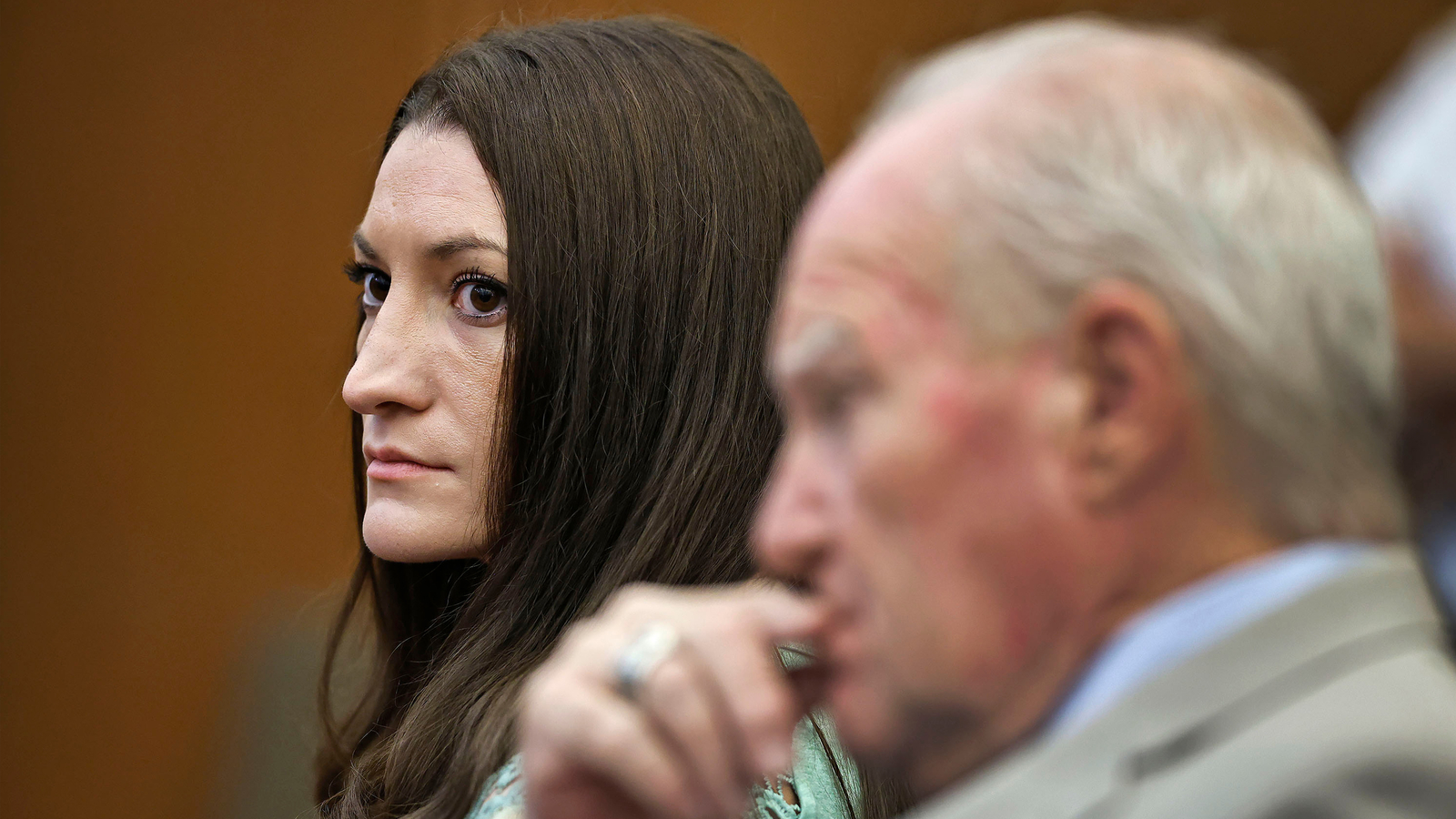
The Lindsay Clancy trial has captured national attention as jurors in Plymouth County Superior Court entered their third day of deliberations without reaching a verdict. The former labor and delivery nurse stands accused of killing her three young children in January 2023, and the case has become a focal point in broader conversations about postpartum mental illness, criminal responsibility, and how the justice system handles cases involving mothers who commit unthinkable acts while experiencing psychiatric crises.
Background of the Case
Lindsay Clancy, now 36 and originally from Wallingford, Connecticut, faces charges in connection with the deaths of her three children: Cora (age 5), Dawson (age 3), and Callan (age 8 months). According to court testimony, the children were strangled with exercise bands in the basement of the family’s home in coastal Duxbury, Massachusetts, on January 24, 2023, while her husband was away picking up takeout food and stopping at a pharmacy. After the killings, Clancy attempted to take her own life by cutting herself and jumping from a second-floor window. She survived but remains paralyzed from the waist down.
The tragedy occurred less than three weeks after Clancy had been discharged from a psychiatric hospital, where she had been receiving treatment for what her defense team describes as severe postpartum mental health deterioration.
Trial Proceedings and Testimony
Over the course of approximately five weeks, the jury heard testimony from more than 70 prosecution witnesses, including Clancy’s then-husband Patrick, along with 10 defense witnesses. The proceedings drew significant media attention, particularly after emotional moments such as the playing of the frantic 911 call from her husband, during which he could be heard screaming, “She killed the kids!”
Jurors also had the opportunity to visit the home where the tragedy unfolded, giving them firsthand context of the scene. Testimony came from a wide range of sources:
- Medical professionals who treated Clancy before and after the killings
- Friends and relatives who had heard her express concerns about her mental state
- Defense medical experts who testified about her likely mental condition at the time
- Prosecution experts who offered competing assessments
- A toxicology expert who confirmed that drug levels in her system were low
Among the most notable witnesses was a psychologist who testified that Clancy was, in fact, criminally responsible for the killings, despite her documented mental health struggles. Another expert diagnosed her with bipolar disorder, while her defense team emphasized a diagnosis of postpartum psychosis.
Key Witness Highlights
Several testimonies painted a troubling picture of Clancy’s declining mental state in the months leading up to the tragedy. Her former mother-in-law told the court that Clancy was “begging for help,” while her own mother and sister testified about her visible deterioration. A chaplain recalled Clancy expressing relief after the killings, stating she was “so glad” her children were “safe.” Perhaps most disturbing was testimony from an investigator who revealed that Clancy had searched online for “can you treat a sociopath” before the incident.
Clancy herself did not testify during the trial, though the jury heard extensively from her diary, which chronicled her desperation and described what she called “brain fog” in the period before her children’s deaths. A nanny who had worked with the family also testified that Clancy had appeared to be a loving and attentive mother in the weeks prior to the tragedy.
The Defense Argument: Postpartum Psychosis
Clancy’s defense attorney did not dispute the physical act itself,Clancy acknowledges strangling her three children. Instead, the defense centered on the question of criminal responsibility, arguing that her client was in the grip of postpartum psychosis at the time of the killings.
Postpartum psychosis is a rare but serious mental illness that can emerge in the days or weeks following childbirth. Unlike more frequently discussed conditions such as postpartum depression, postpartum psychosis involves a break from reality and can include hallucinations, delusions, and severely impaired judgment. The defense presented evidence that Clancy had sought treatment repeatedly in the months leading up to the tragedy, including an inpatient stay at a psychiatric facility, and that her mental health had been steadily worsening despite her efforts to get help.
The Prosecution Argument: A Conscious Choice
Prosecutors painted a fundamentally different picture. While acknowledging that Clancy suffered from depression and mental health challenges, they argued that she understood exactly what she was doing and made a deliberate decision to end her children’s lives. According to their theory, Clancy was exhausted and depressed and chose to kill her children before attempting to take her own life.
The prosecution pointed to several pieces of evidence they said demonstrated premeditation and awareness, including the online searches and her statements after the killings suggesting relief that her children were no longer suffering.
Possible Outcomes for the Lindsay Clancy Trial
The jury in the Lindsay Clancy trial faces several distinct potential verdicts, each carrying dramatically different consequences:
- Guilty of murder – The most severe outcome, potentially resulting in a sentence of life in prison
- Guilty of manslaughter – A lesser conviction involving a reduced sentence
- Acquittal by reason of lack of criminal responsibility – If jurors find she was not in control of her actions due to psychiatric problems, she could be released or remain confined in a mental health facility
Deliberations are scheduled to continue, with the jury set to resume discussions the following day after the third day of talks concluded without a decision.
Broader Implications for Maternal Mental Health
Beyond the immediate legal questions, the Lindsay Clancy case has ignited important discussions about maternal mental health in the United States. Cases involving mothers who harm their children due to untreated or inadequately treated postpartum illnesses raise profound ethical, medical, and societal questions.
Postpartum psychosis, while rare, affecting approximately 1 to 2 out of every 1,000 new mothers, is a medical emergency that requires immediate intervention. The condition can develop rapidly, sometimes within hours of delivery, and without proper treatment, the consequences can be catastrophic. The tragedy has prompted renewed calls for:
- Better screening for postpartum mental illness during and after pregnancy
- Improved access to psychiatric care for new mothers
- Greater public awareness about the warning signs of postpartum psychosis
- More robust support systems for mothers experiencing mental health crises
Mental health advocates note that while her case represents an extreme outcome, many new mothers experience some form of postpartum mood disorder, ranging from the more common “baby blues” to postpartum depression and the rarer but more dangerous postpartum psychosis. Early intervention can be life-saving, both for mothers and their children.
Resources for Those in Crisis
The case serves as a sobering reminder of the importance of seeking help during mental health emergencies. Anyone experiencing suicidal thoughts, substance use crises, or other mental health emergencies is encouraged to call or text 988 to reach trained crisis counselors 24 hours a day, seven days a week. Additional support is available through 988lifeline.org or by dialing the traditional toll-free number 800-273-8255 (TALK).
Conclusion
The Lindsay Clancy trial represents one of the most heart-wrenching and complex cases to capture public attention in recent memory. As jurors deliberate the difficult question of whether a mother who killed them during what her defense describes as a psychiatric breakdown should be held criminally responsible, the outcome will inevitably have implications far beyond the courtroom. Whether the verdict brings a measure of closure to a devastated family, sparks change in how postpartum mental illness is treated, or both, the case has already left an indelible mark on conversations about maternal mental health, criminal law, and the limits of personal accountability when the mind itself becomes the crime scene. As deliberations continue, the nation watches and waits for answers that may never feel adequate to the enormity of the loss.