
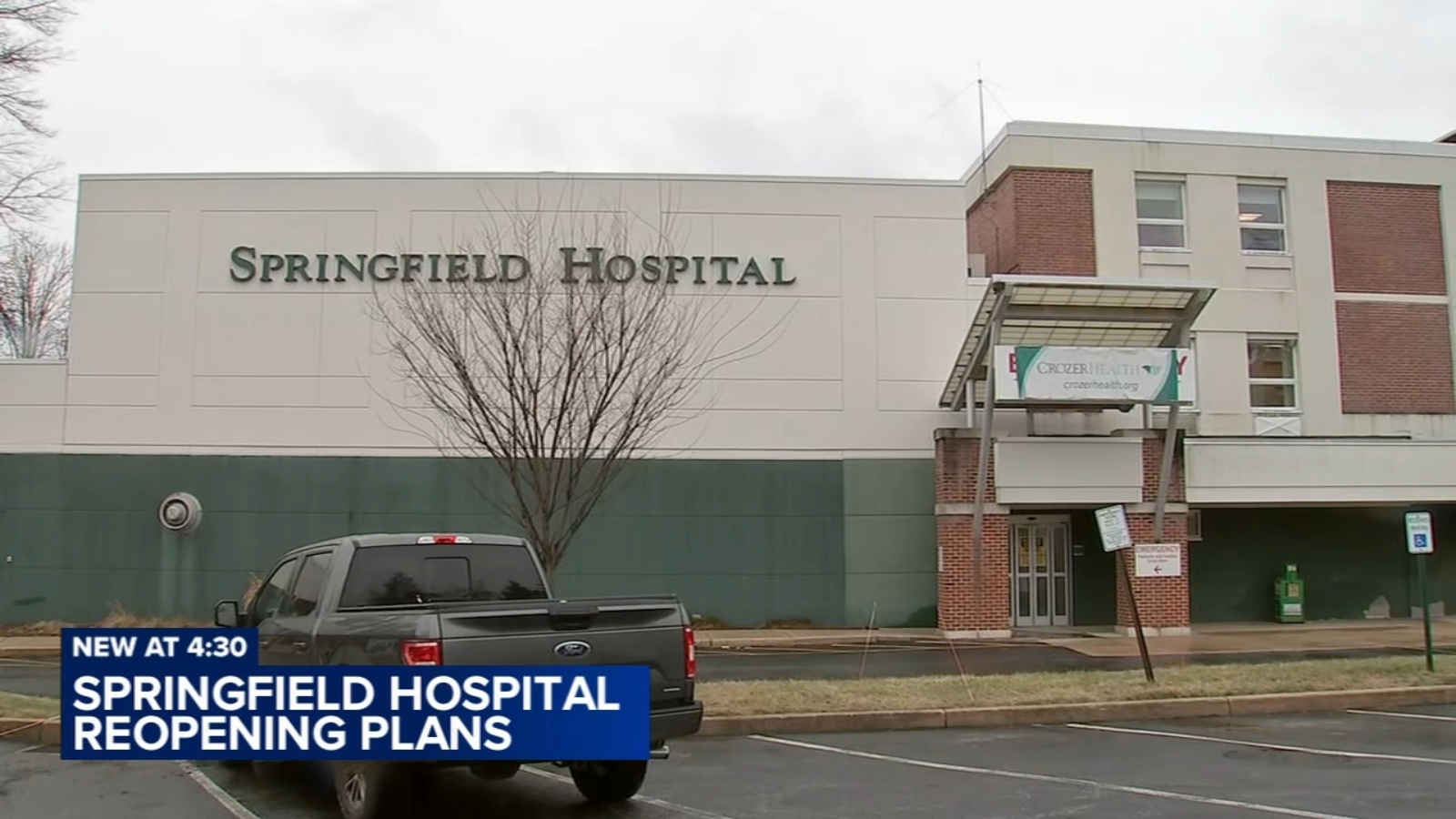
After sitting vacant and serving as a painful reminder of healthcare struggles in Delaware County, Springfield Hospital revitalization is finally underway. The shuttered facility has changed hands, and its new owners have unveiled an ambitious plan to bring medical services back to the community , and they’re promising it won’t take years to accomplish.
KQT Aikens Partners officially closed on the Springfield Hospital property earlier this week for $1 million, marking one of the most significant healthcare real estate transactions in the region this year. The same investment group also secured the winning bid last September for Taylor Hospital in Ridley Park, signaling a broader commitment to restoring access to care in underserved communities across southeastern Pennsylvania.
The Deal: What We Know About the New Ownership
The Springfield Hospital revitalization effort stems from a bankruptcy-driven sale tied to the collapse of Crozer Health’s parent company, Prospect Medical Holdings, which filed for bankruptcy last year. The financial troubles at the top of the corporate ladder left multiple facilities in limbo, leaving patients, employees, and local officials scrambling for answers.
Enter KQT Aikens Partners, a private investment group that saw opportunity where others saw risk. By purchasing both Springfield Hospital and Taylor Hospital, the company has positioned itself as a major player in the regional healthcare landscape. Todd Strine, one of the principal owners, spoke to Action News about his vision for the properties and delivered a timeline that has generated significant buzz among community advocates.
A Million-Dollar Bet on Community Health
The $1 million purchase price may seem modest for a full-service hospital campus, but it reflects the dilapidated state of the facility and the broader challenges facing healthcare real estate in the post-pandemic era. Still, KQT Aikens Partners clearly sees long-term value in the location, the infrastructure, and , most importantly , the community need.
“Months, Not Years”: The Timeline for Restoration
Perhaps the most striking element of the Springfield Hospital revitalization announcement is the aggressive timeline laid out by owner Todd Strine. In an interview with local media, Strine made it clear that he intends to move fast.
“What I mean by that is we’re not talking about years , we’re talking about months. My objective would be to have health care services going later this year at both of these facilities.”
This commitment stands in stark contrast to the drawn-out timelines that often accompany healthcare redevelopment projects. Hospital reopenings, when they happen at all, can take five to ten years from initial purchase to operational status. Strine’s promise to deliver services within months suggests either an accelerated regulatory strategy, a phased reopening plan, or both.
What “Health Care Services” Could Look Like
While Strine did not lay out every detail of the operating model, his comments about the two facilities suggest different approaches. For Taylor Hospital in Ridley Park, the vision includes multiple tenants operating under one roof , a common arrangement in modern healthcare where independent practices, outpatient clinics, and specialty providers share resources and infrastructure.
For Springfield Hospital, however, Strine indicated that a specialty health center model would be the most appropriate fit. This approach could focus the facility’s resources on a narrower range of high-demand services rather than attempting to recreate a traditional full-service hospital.
Why a Specialty Health Center Model Makes Sense
The decision to position Springfield Hospital as a specialty health center is strategically significant. Several factors support this direction:
- Reduced overhead: Specialty centers typically require less staffing, equipment, and infrastructure than general hospitals, making them more financially sustainable.
- Focused expertise: Concentrating on specific service lines , such as cardiology, orthopedics, women’s health, or behavioral health , allows providers to build reputations and draw patients from a wider geographic area.
- Faster to market: Specialty centers can often navigate regulatory approvals and licensing requirements more quickly than full-service hospitals.
- Community demand: When Springfield Hospital closed, it left gaps in specific types of care. A specialty model can target those exact gaps rather than trying to be everything to everyone.
Potential Service Lines to Watch
While KQT Aikens Partners has not publicly identified which specialties will anchor the facility, community healthcare needs in Delaware County suggest several possibilities:
- Behavioral health and substance abuse treatment, which remains critically underserved in the region.
- Outpatient surgical services, which can operate efficiently without the overhead of an emergency department.
- Diagnostic imaging and laboratory services to support primary care providers throughout the area.
- Rehabilitation and physical therapy, particularly for an aging population.
- Women’s health services, including obstetrics, gynecology, and mammography.
The Broader Context: Hospital Closures and Community Impact
The Springfield Hospital revitalization story is unfolding against a troubling backdrop of hospital closures across Pennsylvania and the nation. The collapse of Prospect Medical Holdings, which also owned Crozer-Chester Medical Center and Delaware County Memorial Hospital, has had devastating consequences for the region. Emergency rooms closed, jobs disappeared, and patients were forced to travel farther for care.
The bankruptcy of a major hospital system leaves ripples that extend well beyond the walls of any single facility. Local economies suffer when high-paying healthcare jobs vanish. Public health metrics decline when preventive care becomes harder to access. And communities lose a sense of identity when institutions that served generations of families suddenly disappear.
This is why the Springfield Hospital revitalization effort carries emotional weight beyond its commercial significance. It represents hope that the damage wrought by corporate financial mismanagement can be undone , or at least partially repaired.
The Role of Private Investment in Healthcare
KQT Aikens Partners’ acquisition also raises important questions about the role of private equity and investment groups in healthcare. Proponents argue that private capital can move faster and more decisively than nonprofit systems or government entities, especially when facilities are at risk of permanent closure. Critics caution that profit motives can conflict with patient care priorities.
For now, the community appears cautiously optimistic. The alternative , continued vacancy and decay , is widely viewed as unacceptable. If Strine and his partners can deliver on their promise of restored services within months, they will have accomplished something meaningful for the residents of Springfield Township and surrounding areas.
What Happens Next: Monitoring the Revitalization
Several key milestones will determine whether the Springfield Hospital revitalization lives up to its early promise:
- Regulatory approvals: Pennsylvania’s Department of Health will need to license whatever services the new owners choose to offer. The timeline for these approvals can vary significantly depending on the type of facility.
- Capital improvements: Even a specialty center will require renovations, equipment installation, and safety inspections before opening its doors.
- Staffing: Recruiting healthcare professionals , particularly in the current labor environment , is one of the biggest challenges facing any new facility.
- Insurance contracts: Securing agreements with major insurers will be essential to making the facility accessible to a broad patient base.
Community Engagement and Transparency
One factor that could make or break the project is community engagement. Local residents, physicians, and advocacy groups have a strong interest in seeing the facility reopen , and a right to know how it will operate. Regular updates, public meetings, and transparent communication from KQT Aikens Partners will go a long way toward building the trust necessary for long-term success.
A Hopeful Turning Point for Delaware County Healthcare
The Springfield Hospital revitalization represents more than a real estate transaction. It is a test of whether private investment, paired with clear vision and aggressive execution, can reverse the damage done by corporate failure and restore essential services to a community that has waited too long for relief.
Todd Strine’s message is simple and direct: healthcare is coming back to Springfield, and it is coming back soon. Whether the reality matches the rhetoric remains to be seen, but for the first time in years, the future of this facility looks genuinely promising. As work progresses over the coming months, residents of Springfield Township and Delaware County will be watching closely , hopeful that the promise of restored health services becomes a reality they can see, feel, and rely on.