
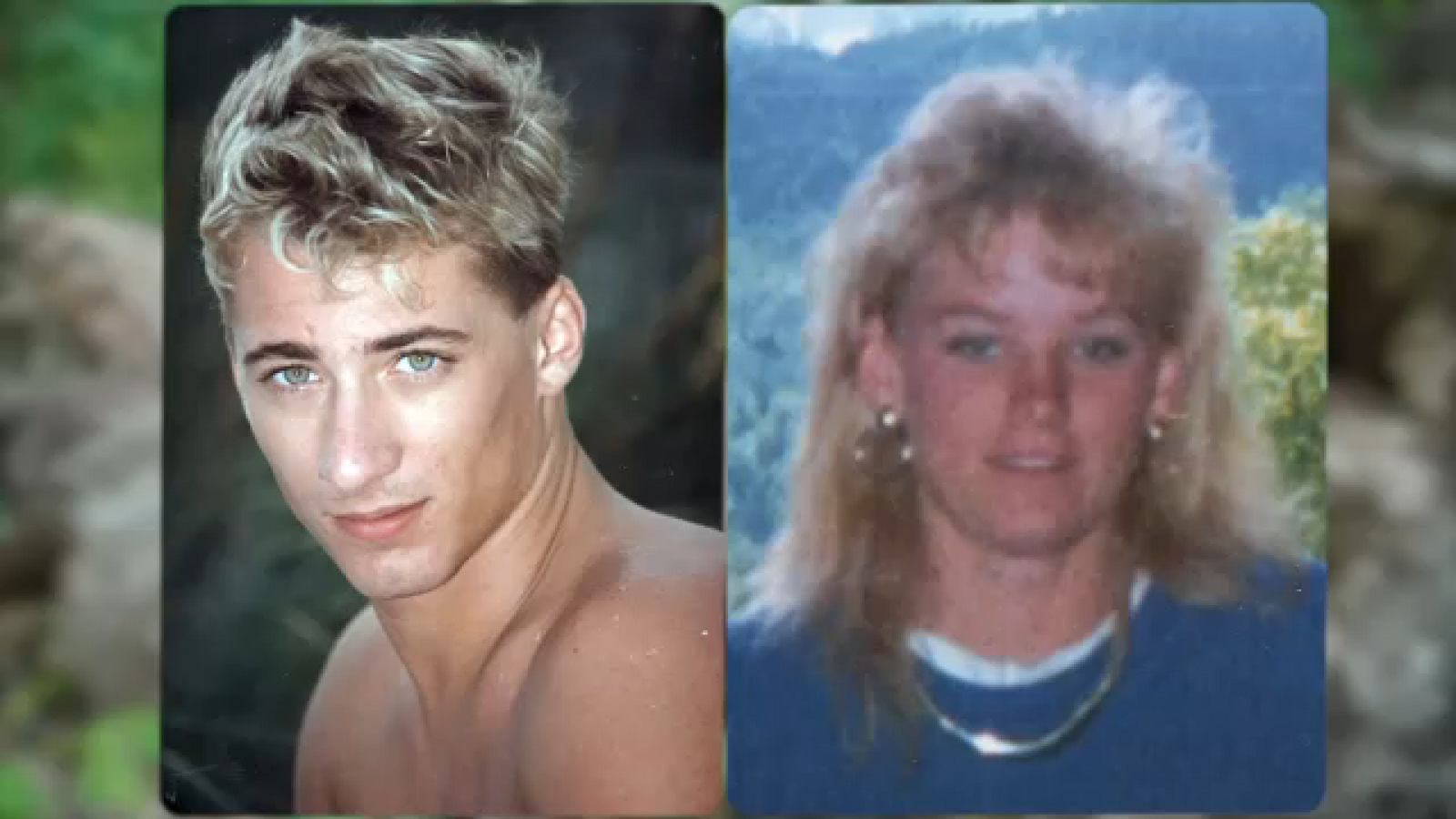
After nearly four decades of unanswered questions, the lovers lane murders in Harris County, Texas, have finally seen a major breakthrough. A 64-year-old man has been charged in connection with the brutal 1990 killings of young couple Cheryl Henry and Andy Atkinson , a case that has haunted families, investigators, and an entire Houston community for 36 long years.
The arrest, announced by the Harris County District Attorney’s Office, marks one of the most significant developments in this decades-old Texas cold case. It also stands as a powerful reminder that even the oldest unsolved files can yield answers when investigators refuse to give up.
The Night That Changed Everything
On the evening of August 23, 1990, 21-year-old Cheryl Henry and 22-year-old Andy Atkinson set out for what was supposed to be an ordinary date night in west Houston. The couple had plans to go dancing, and afterward found their way to a quiet, secluded cul-de-sac , the kind of spot young couples often sought out for a few peaceful moments together.
They never made it home.
A security guard on routine patrol noticed a vehicle that had been parked in the cul-de-sac for an unusual amount of time. Upon approaching, he made a horrifying discovery: an unresponsive woman inside the car, and an unresponsive man nearby. Both victims, later identified as Henry and Atkinson, had suffered fatal injuries to their necks.
The scene would become the foundation of what investigators and locals came to call the lovers lane murders , a haunting unsolved murder case that confounded detectives for generations.
What Investigators Found at the Scene
Family members who visited the site in the days following the tragedy have never forgotten the disturbing details. Cheryl’s sister, Shane Craig, recalled in a recent documentary that the car still held cigarette butts , evidence that the couple had been relaxing, spending time together before the unthinkable happened.
“The windows were rolled down, and there was blood on the door,” Craig remembered. The image painted a picture of a quiet evening suddenly and violently interrupted.
Three Decades of Searching for Answers
Andy’s cousin, Tim Godwin, said the two had been so close growing up that they considered each other brothers. In the earliest days of the investigation, he held onto the belief that justice would come swiftly.
“Initially I thought, OK, three to six months, we’d find out who did this, and they’d be brought to justice,” Godwin said.
But three to six months stretched into years. Then decades. Despite the relentless efforts of the Houston Police Department and other agencies, the killer remained a ghost , a faceless shadow lurking somewhere in the vast Houston landscape.
The case accumulated hundreds of leads over the years. Detectives chased down tips, re-interviewed witnesses, and revisited evidence multiple times. Yet the answer always seemed just out of reach.
A 2008 DNA Breakthrough That Wasn’t Enough
In 2008, investigators received a glimmer of hope. DNA evidence recovered from the crime scene was linked to a separate rape case, suggesting the same individual may have been responsible for both crimes. However, despite this critical connection, authorities still could not identify a suspect.
Without a name to attach to the DNA profile, the case once again went cold , though it was never truly forgotten.
The 2025 Tip That Changed Everything
According to court records, the long-awaited breakthrough finally arrived in 2025. Investigators revisiting the case received a tip naming Floyd William Parrott as a possible suspect. That tip, combined with renewed DNA analysis and additional police work, ultimately led to formal murder charges.
Parrott, now 64 years old, was 28 at the time of the killings. He is accused of slashing the throats of the young couple after they had parked in the secluded area following their night out dancing. He was arrested in Lincoln, Nebraska, where he now awaits extradition back to Harris County to face the charges.
The announcement represents the culmination of tireless work by prosecutors, the Houston Police Department, and the FBI, who together pursued hundreds of leads across more than three decades.
Voices of the Families Left Behind
For the families of Cheryl Henry and Andy Atkinson, news of the arrest brought a flood of mixed emotions , relief, grief, anger, and a fragile, hard-won sense of closure.
“This case has weighed on the Henry and Atkinson families, as well as our community, for more than three decades,” Harris County District Attorney Sean Teare said in announcing the charges. “Our prosecutors, working with HPD and the FBI, have worked hundreds of leads, but they never gave up.”
Cheryl’s father, Robert Henry, had pleaded for answers for years, even as the years stretched on.
“I feel like somebody out there knows something, or knows something,” he said earlier this year. “If they would come forward, maybe they would know.”
That long-awaited phone call , the news that a suspect had finally been identified and charged , arrived 36 years too late for the couple, but not too late for their loved ones to seek the justice they’ve been demanding since 1990.
Why Cold Cases Like This One Matter
The lovers lane murders case is far more than a true crime story. It represents the kind of persistent, methodical work that defines modern cold case investigation , and the profound impact such breakthroughs have on surviving family members.
Cold cases like this one are reopened time and again as new forensic techniques emerge. The 2008 DNA match was a critical turning point, but without a name attached to the genetic profile, it couldn’t move the investigation forward. It took the courage of someone coming forward with a tip in 2025 , combined with reanalysis of that long-stored DNA evidence , to finally identify Parrott as a suspect.
This is the reality of solving decades-old cases: they require patience, evolving science, and sometimes, the simple willingness of a community member to speak up.
The Role of Community Tips in Solving Cold Cases
Detectives investigating this case followed the path that so many successful cold case investigations eventually take. They revisited evidence. They re-interviewed witnesses. And critically, they kept pushing the public for information, even decades after the crime.
The tip that ultimately identified Parrott demonstrates exactly why law enforcement agencies never fully close these files. Someone, somewhere, carried a piece of this story with them for decades. When the time was right, they chose to come forward , and that single act helped breathe new life into an investigation many had assumed would never be solved.
What Happens Next in the Lovers’ Lane Murders Case
Floyd William Parrott remains in custody in Lincoln, Nebraska, awaiting extradition to Texas. Once returned to Harris County, he will face formal murder charges in connection with the deaths of Cheryl Henry and Andy Atkinson.
The Houston Police Department, the FBI, and the Harris County District Attorney’s Office were expected to provide additional details during a press conference following the arrest. As the case moves into the courtroom phase, prosecutors will be tasked with presenting evidence collected over more than three decades , a complex endeavor that requires careful handling of decades-old physical evidence and witness testimony.
For the families, the legal proceedings will likely reopen deep emotional wounds. But they will also represent something they have long awaited: their day in court.
A Community’s Long-Awaited Closure
The lovers lane murders case stands as a testament to both the grief that unsolved violent crimes leave behind and the relentless pursuit of justice that defines dedicated investigators. For 36 years, the families of Cheryl Henry and Andy Atkinson lived with unanswered questions, held onto fading memories, and refused to let the world forget what happened to their loved ones.
With the arrest of Floyd William Parrott, that long vigil may finally be drawing to a close. The pain of losing Cheryl and Andy will never fully fade , no arrest can undo that loss. But the families now have something they have not had since that August night in 1990: a name attached to the crime, a suspect in custody, and the promise of accountability.
For a community that has carried this weight for more than three decades, justice , however delayed , is finally within reach.