
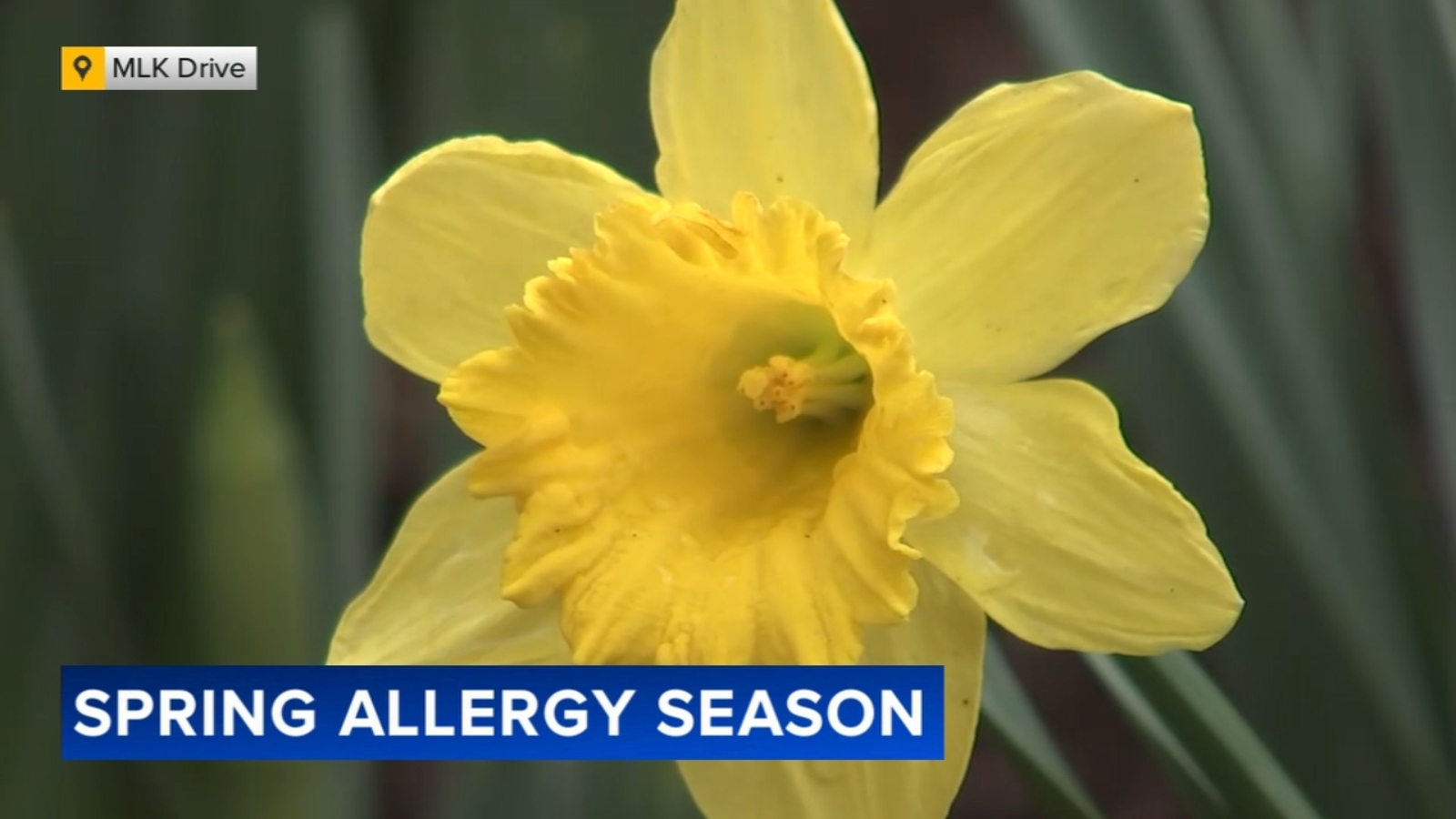
As temperatures climb and blossoms burst open across neighborhoods, spring allergies have arrived with full force , and many sufferers are feeling it early this year. Across the Philadelphia region and beyond, allergists are reporting a significant uptick in patient visits, driven largely by unusually warm conditions that have accelerated pollen production. Tree pollen season has already begun blending into grass pollen season, creating a double whammy for those who typically experience seasonal allergies.
The result? Itchy, watery eyes, relentless sneezing, congestion, and that unmistakable scratchy throat that makes even the most beautiful spring day feel miserable. If you’ve noticed your car coated in yellow-green dust or found yourself reaching for tissues more often, you’re not alone. Millions of Americans contend with seasonal allergies each year, and this season appears to be shaping up as one of the more challenging ones.
Why This Allergy Season Feels Worse
According to allergy specialists like Dr. Manav Segal of Chestnut Hill Allergy and Asthma Associates, this time of year represents one of the busiest stretches for practices that treat respiratory and immune conditions. Symptoms that normally might wait until mid-April are already showing up in patients in early April , or even late March.
The Role of Weather in Pollen Production
Climate patterns play a starring role in how intense any given pollen season turns out to be. Warmer winters and earlier springs encourage trees to release their reproductive particles sooner and in greater quantities. Mild, breezy days stir up loose pollen and send it drifting through the air, while the seasonal transition from blooming hardwoods like oak, maple, and birch into grass species creates overlapping waves of allergens that seem relentless.
Even a brief rainfall can offer temporary reprieve , droplets literally wash pollen out of the air and press it into the ground. However, that relief often comes with a cost. After the rain clears, plants release a fresh burst of pollen, sometimes at higher concentrations than before. This boom-and-bust cycle can leave sufferers feeling like they’re constantly playing catch-up.
Timing Matters: When Pollen Counts Peak
One of the most useful pieces of knowledge in any allergy sufferer’s arsenal is recognizing that pollen follows a daily rhythm. Pollen counts tend to climb through the early morning hours, generally peaking between 5 a.m. and 10 a.m. This means that the morning jog, the early dog walk, or the pre-work commute can expose you to the heaviest concentrations of airborne allergens.
Shift Your Schedule, Reduce Your Symptoms
While it’s nearly impossible to avoid pollen altogether during peak season, simply shifting outdoor activities to the late afternoon or evening can dramatically reduce exposure. If you have flexibility in your daily routine, consider saving gardening, exercise, and other outdoor tasks for after midday. Pollen typically settles as the day cools and humidity rises, offering a narrower window of relief before nighttime allergens like mold spores become more active.
Practical Tips to Survive High Pollen Levels
Even if you can’t escape pollen entirely, a handful of straightforward habits can meaningfully cut down on the allergens that end up in your eyes, nose, and lungs. Here are some expert-backed strategies to help you navigate the season with greater comfort:
- Wash your face and rinse your eyes after spending time outside. Pollen clings to skin, eyelashes, and hair. A quick rinse removes allergens before they continue irritating your eyes or get transferred to your pillow.
- Change into clean clothing when you come indoors. Your clothes act like pollen magnets. Tossing them straight into the laundry and changing into fresh attire prevents pollen from spreading throughout your home.
- Shower before bed. This is especially important to keep pollen out of your bedding and off your pillow, where it can disrupt your sleep and aggravate symptoms overnight.
- Wear sunglasses or eyeglasses outdoors. Beyond protecting your eyes from UV rays, glasses create a partial barrier that helps block airborne pollen from making direct contact with your eyes.
- Keep windows closed. It might be tempting to let in the spring breeze, but open windows invite pollen inside. Use air conditioning instead, ideally with a HEPA filter.
- Check daily pollen forecasts. Many weather apps and allergy websites provide pollen count updates. On high-pollen days, consider limiting outdoor exposure or wearing a mask during yard activities.
- Shower pets frequently. Dogs and cats can carry pollen indoors on their fur, undoing your best efforts to keep your home allergen-free.
Treatment Options Worth Discussing With Your Doctor
Beyond lifestyle adjustments, a range of medical treatments can provide meaningful allergy relief. Over-the-counter antihistamines, nasal corticosteroid sprays, and decongestants can help many people manage mild to moderate symptoms. For those whose allergies are more severe or persistent, an allergist may recommend immunotherapy , either through allergy shots or sublingual tablets , to gradually desensitize the immune system to specific triggers.
If you find that over-the-counter medications aren’t providing adequate relief, or if your symptoms are interfering with sleep, work, or daily activities, it’s worth scheduling an appointment with an allergy specialist. They can perform testing to identify exactly which pollens you’re reacting to and tailor a treatment plan accordingly.
The Difference Between Allergies and a Cold
One common point of confusion this time of year is distinguishing between allergy symptoms and the common cold. While they can feel similar, there are some telling differences. Allergies rarely cause body aches or significant fatigue, while colds often do. Allergy symptoms tend to persist for as long as you’re exposed to the trigger, while colds typically resolve within 7 to 10 days. Itchy, watery eyes are far more common with allergies than with viral infections. If you’re unsure which is bothering you, a quick visit to a primary care physician or allergist can clarify the picture.
Embracing Spring Without the Misery
There’s something almost cruel about the fact that the same warm sunshine and blooming trees that lift our spirits also trigger miserable allergy flare-ups. As one local resident put it, the arrival of spring means “great weather and good times” , but also a lot of sneezing, itchy eyes, and pollen-coated cars. Fortunately, with a few smart adjustments to your schedule and habits, you don’t have to choose between enjoying the season and breathing comfortably.
The key is being proactive. Don’t wait until symptoms become unbearable before taking preventive steps. Start your allergy medications early in the season if your doctor recommends it, monitor pollen forecasts regularly, and build protective habits into your daily routine. With a little planning, you can welcome spring with open arms , and clear sinuses.
Remember, while pollen season is unavoidable, suffering through it isn’t. If your seasonal allergies are disrupting your quality of life, reach out to a healthcare provider. Relief is possible, and this beautiful season is meant to be enjoyed , tissues optional.