
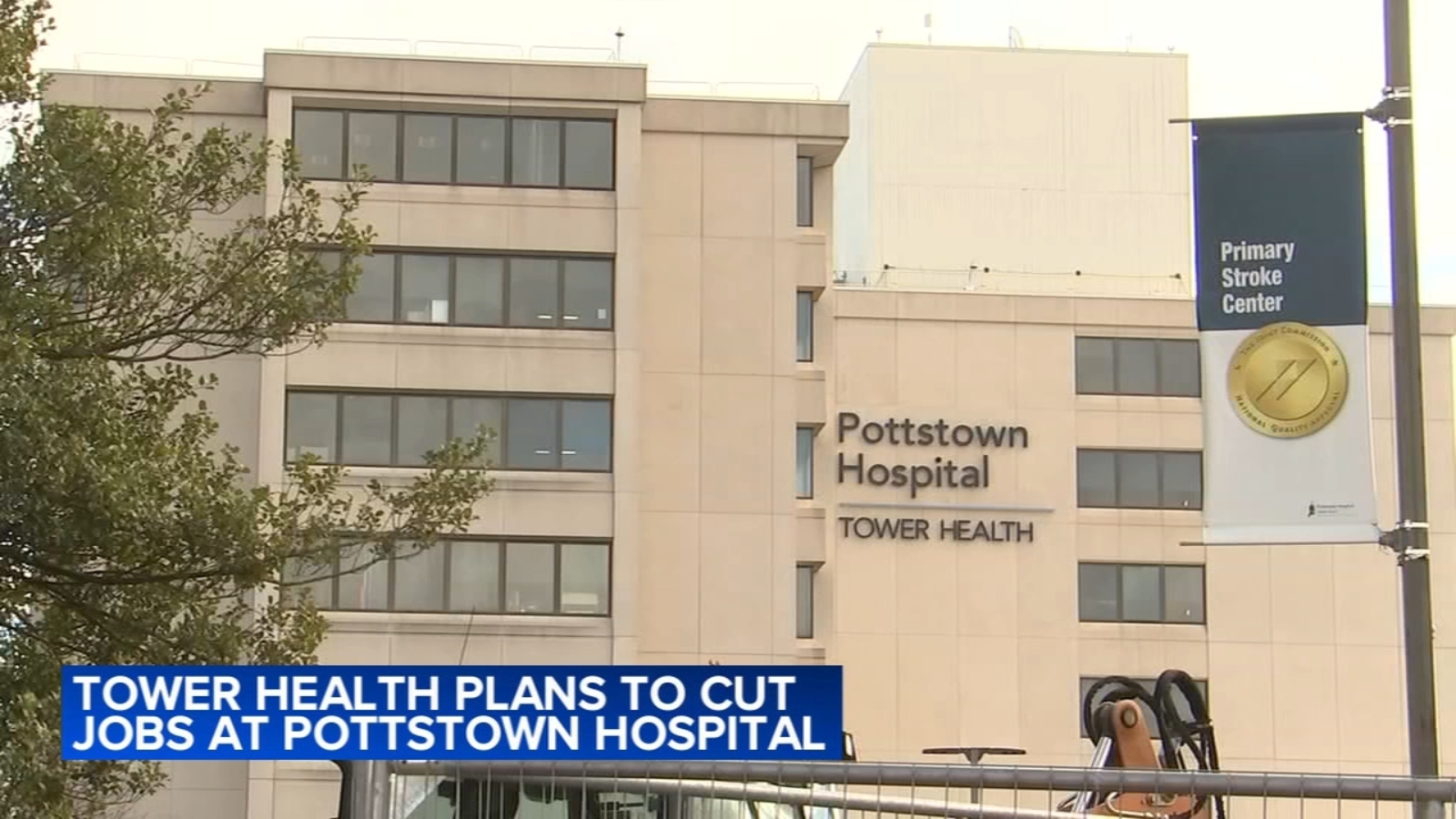
Healthcare workers across Pennsylvania are facing another wave of uncertainty as Tower Health layoffs have hit Pottstown Hospital, with approximately 160 employees expected to receive termination notices. This marks the second significant round of job cuts at the facility in just seven months, raising serious concerns among healthcare professionals, union representatives, and community members who depend on the hospital for essential medical services.
The announcement, made by Tower Health , the parent organization that owns Pottstown Hospital in Montgomery County , has sent ripples through the local healthcare community. The Pennsylvania Association of Staff Nurses and Allied Professionals (PASNAP) has publicly expressed alarm over the scope of these reductions and what they could mean for patient care standards in the region.
Understanding the Tower Health Layoffs at Pottstown Hospital
Tower Health, a regional healthcare system based in southeastern Pennsylvania, confirmed that the cuts are tied to a broader strategic initiative described as a multi-million-dollar investment aimed at expanding the emergency department. While hospital leadership has framed this as a forward-looking investment in critical infrastructure, the decision to eliminate 160 positions has created tension between the organization’s stated vision and the immediate human toll of these workforce reductions.
What’s Driving the Cuts?
Hospital administrators point to a planned investment in emergency department expansion as the primary catalyst for the workforce restructuring. Emergency departments serve as the frontline of community healthcare, handling everything from trauma cases to routine acute care. However, expanding physical capacity while simultaneously reducing staff raises fundamental questions about how the hospital intends to maintain , let alone improve , service quality during and after this transition.
The financial pressures facing community hospitals across America are well-documented. Rising operational costs, shifting reimbursement models, post-pandemic patient volume fluctuations, and labor shortages have created an incredibly challenging environment for mid-sized healthcare systems. Tower Health’s decision appears to reflect these broader industry headwinds, though critics argue that the burden is falling disproportionately on frontline workers and, by extension, on the patients they serve.
The Second Blow in Seven Months
The most alarming aspect of this announcement is that it represents the second significant layoff at Pottstown Hospital within a seven-month period. Repeated workforce reductions within such a compressed timeline suggest deeper structural challenges within the organization rather than a one-time corrective measure.
Cumulative Impact on Staff and Patients
When hospitals implement consecutive rounds of layoffs, the effects compound rapidly. Remaining employees often face increased workloads, burnout, and moral distress as they attempt to maintain quality care with diminished resources. Patient experiences can suffer through longer wait times, reduced bedside attention, and overstretched clinical teams working at the edges of their capacity.
For the Pottstown community specifically, these repeated cuts threaten to erode trust in a healthcare institution that many residents have relied upon for years. Community hospitals occupy a unique position in the healthcare ecosystem , they are often the closest, most accessible option for residents in smaller cities and towns. When those institutions struggle, the entire community feels the impact.
Union Response and Worker Concerns
The Pennsylvania Association of Staff Nurses and Allied Professionals has emerged as a vocal advocate for affected workers, expressing deep concern about both the scale of the layoffs and their potential consequences for patient safety. PASNAP represents thousands of nurses and healthcare professionals across Pennsylvania and has consistently championed workplace standards and patient care quality.
What Workers Are Saying
Healthcare workers facing layoffs often experience a unique form of professional grief. Unlike workers in many other industries, healthcare professionals enter their fields driven by a sense of calling and mission. Being terminated , particularly when the stated rationale involves facility improvements rather than financial necessity , can feel especially demoralizing.
Many affected employees are likely facing difficult personal decisions about their futures. Some may seek positions at competing healthcare systems, while others may consider leaving the profession entirely. The loss of experienced healthcare workers creates ripple effects that extend far beyond individual employment statistics, potentially diminishing institutional knowledge and clinical expertise that took years to develop.
Broader Implications for Community Healthcare
The situation at Pottstown Hospital reflects troubling patterns playing out at community hospitals nationwide. As larger healthcare systems consolidate and smaller facilities struggle with economic pressures, access to quality local care becomes increasingly uncertain for millions of Americans.
The Emergency Department Expansion Paradox
Tower Health’s stated rationale , investing in emergency department expansion while cutting 160 jobs , presents what many observers consider a paradox. Emergency departments are among the most labor-intensive areas of any hospital, requiring continuous staffing by physicians, nurses, technicians, and support personnel. Expanding such a department typically requires more workers, not fewer.
This apparent contradiction has fueled speculation about the true motivations behind the layoffs. Some possibilities include:
- Operational restructuring: Shifting from in-house staffing to contracted or temporary labor arrangements, which may reduce long-term costs but eliminate job security for permanent staff.
- Service consolidation: Centralizing certain functions at other Tower Health facilities, potentially reducing the autonomy and self-sufficiency of Pottstown Hospital.
- Pre-acquisition positioning: Some analysts suggest that workforce reductions and capital investments can be part of efforts to make a facility more attractive for sale or partnership.
The Healthcare Worker Shortage Context
These layoffs occur against the backdrop of an ongoing healthcare worker shortage that has gripped the United States since the COVID-19 pandemic. Nurses, technicians, and support staff left the profession in unprecedented numbers during 2020-2022, creating persistent staffing challenges that continue today.
Ironically, laying off 160 workers during a healthcare labor shortage may exacerbate existing staffing problems at Pottstown Hospital and surrounding facilities. Workers displaced from Pottstown may find positions at competing hospitals, but the broader talent pool remains constrained, and the sudden displacement of so many experienced professionals is unlikely to be absorbed seamlessly by the regional healthcare market.
Looking Ahead: What Comes Next for Pottstown Hospital
The coming months will be critical for Tower Health, Pottstown Hospital, and the surrounding community as the impacts of these layoffs unfold. Several key questions will shape the narrative moving forward:
- Will patient care quality be maintained? Community members will be watching closely for any degradation in service, longer wait times, or reduced availability of specialized care.
- How will remaining staff be supported? The hospital’s approach to supporting workers who remain will significantly affect morale, retention, and operational stability.
- Are further cuts on the horizon? Given that this is the second major layoff in seven months, employees and community members may reasonably wonder whether additional reductions are being planned.
- Will Tower Health address union concerns? The response from PASNAP and other labor organizations will likely influence negotiations and public perception.
Conclusion
The Tower Health layoffs affecting 160 workers at Pottstown Hospital represent more than a simple business decision , they reflect the complex, often painful realities facing community healthcare systems in today’s economic environment. While Tower Health has framed these cuts as part of a strategic investment in emergency services, the human cost is undeniable, and the implications for patient care remain uncertain.
For affected workers, the weeks ahead will bring difficult transitions and important decisions about their professional futures. For the Pottstown community, these layoffs represent a moment of reckoning about the future of local healthcare access. And for Tower Health as an organization, the true measure of this decision will not be found in financial statements or expansion announcements, but in the health outcomes and trust of the communities they serve.
As this story continues to develop, stakeholders across the healthcare landscape , from frontline workers to hospital administrators to patients and their families , will be watching closely to see whether promises of expanded services materialize into genuine improvements, or whether these layoffs become another chapter in the ongoing struggle to balance fiscal responsibility with compassionate patient care.