
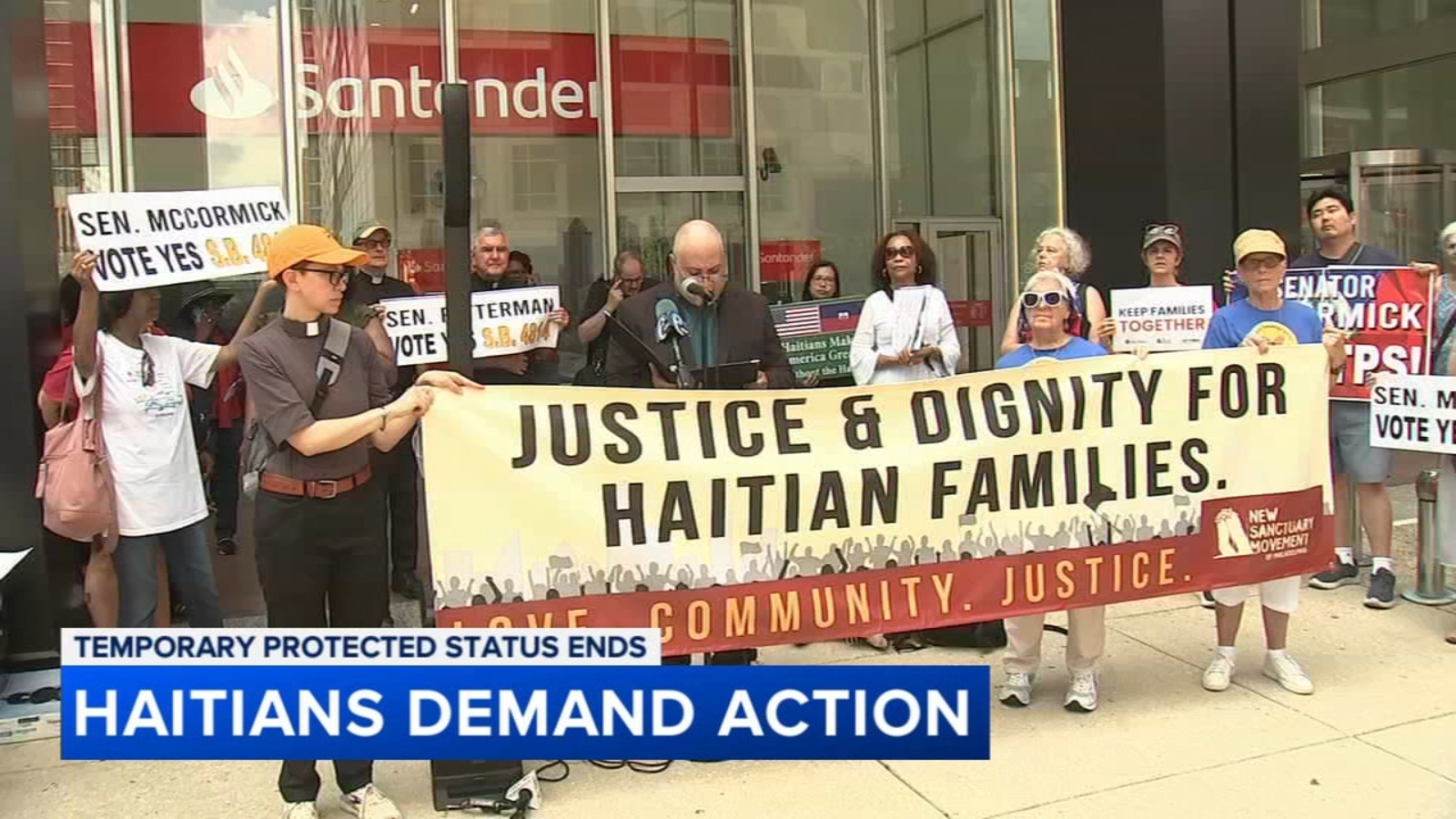
Recent developments in U.S. immigration policy have placed Haitian deportation protections at the center of a growing national conversation. In Philadelphia, immigrant rights advocates, faith leaders, and community members have rallied together, urging Pennsylvania’s senators to take legislative action that could shield thousands of Haitian residents from removal. The urgency stems from a recent federal court decision that lifted a temporary block on the Trump administration’s order ending Temporary Protected Status (TPS) for Haiti, leaving an estimated 13,000 Haitians in Philadelphia alone vulnerable to potential deportation.
Understanding Temporary Protected Status and Its Impact
Temporary Protected Status, commonly referred to as TPS, is a critical immigration policy designed to provide humanitarian relief to nationals of countries experiencing armed conflict, environmental disasters, or other extraordinary conditions that make safe return impossible. For Haitian immigrants, TPS has served as a legal lifeline, allowing them to live and work in the United States without fear of immediate removal.
The program was originally extended to Haiti following devastating earthquakes and ongoing political instability that made repatriation dangerous. Over the years, TPS recipients have built lives in communities across America, contributing economically, socially, and culturally. As Reverend Jennifer Joseph of Zion Community Church emphasized during the Philadelphia rally, “These are people who have come through a government-approved program. They’ve purchased homes, they pay taxes.”
The removal of Haitian deportation protections through TPS termination represents a dramatic shift in policy that advocates argue fails to recognize the deep roots Haitian immigrants have established in American society.
The Philadelphia Rally: A Call to Senators
In a powerful demonstration of grassroots organizing, immigrant rights advocates converged outside the Philadelphia offices of both U.S. Senator Dave McCormick (R-PA) and U.S. Senator John Fetterman (D-PA). The dual rallies highlighted the bipartisan nature of the legislative ask, with demonstrators making clear that protecting Haitian immigrants transcends political affiliation.
Marching for Change
After gathering at McCormick’s office, protesters undertook a nearly two-mile march to Fetterman’s Philadelphia office, their footsteps echoing with determination. Among them was Carole Metellus, a Haitian American who articulated the fundamental humanity underlying the cause: “We’re all part of the human race.”
The march served as both a symbolic journey and a practical demonstration of the community’s commitment to advocating for those whose lives hang in the balance of congressional action.
Faith Leaders Take a Stand
Religious organizations played a prominent role in organizing the demonstration. Kenel Stevenson of Poyser Way Church framed the issue within the broader context of Haitian-American relations, noting, “For more than 200 years, Haiti and America have been great allies. Just before the United States became independent, they needed us; now we need them.”
This historical perspective underscores the longstanding ties between the two nations and challenges the notion that current immigration enforcement should sever bonds cultivated over centuries.
The Legislative Push: Senate Bill 4814
At the heart of the advocates’ demands lies Senate Bill 4814, legislation that would extend TPS for Haitian immigrants for an additional three years. The bill represents a targeted response to the immediate crisis facing Haitian communities nationwide, offering a temporary but crucial reprieve while longer-term immigration solutions are debated.
Advocates argue that this extension is not merely a matter of immigration law but reflects fundamental American values regarding humanitarian treatment and family preservation. The three-year timeframe would provide stability for thousands of families, allowing children to remain in schools, workers to maintain employment, and communities to continue benefiting from the contributions of their Haitian neighbors.
The Legal Landscape: Court Decisions and Policy Shifts
The path to the current crisis involves a complex sequence of legal and administrative actions. Earlier this year, the Trump administration moved to remove Haiti and several other countries from the TPS program, effectively stripping deportation protections from hundreds of thousands of immigrants.
The Federal Court Stay and Its Lifting
A court order had temporarily blocked the administration’s action, providing a brief window of relief for anxious immigrant communities. However, a federal judge on Wednesday lifted that stay, reinstating the termination of TPS protections for Haitian immigrants. This ruling transformed a potential crisis into an immediate one, triggering the urgent advocacy efforts seen in Philadelphia and across the country.
The speed of the legal developments has left many Haitian families in limbo, uncertain about their futures and scrambling to understand their legal options. The termination of Haitian deportation protections has particularly affected families with U.S.-born children, mixed-status households, and individuals who have lived in the United States for decades under protected status.
The Human Cost of Policy Decisions
Behind every policy decision and courtroom ruling are real people whose lives are fundamentally altered. In Philadelphia alone, as many as 13,000 Haitians could face the prospect of deportation to a country many have not seen in years, or even decades. For these individuals, the loss of TPS means more than legal status,it represents the potential separation of families, the abandonment of careers and businesses, and the uprooting of lives built through years of hard work and community investment.
Community Contributions
Haitian immigrants in Philadelphia and across the United States have established themselves as integral members of their communities. From healthcare workers and educators to small business owners and religious leaders, TPS recipients contribute meaningfully to the economic and social fabric of American society. Their removal would create gaps in industries and neighborhoods that would be difficult to fill, while also forcing the United States to abandon individuals who entered and remained in the country through entirely legal channels.
What Comes Next: Pathways Forward
As the rally concluded, organizers made clear that the demonstration was just the beginning of a sustained advocacy campaign. Supporters were encouraged to contact both Senator McCormick and Senator Fetterman’s offices directly, adding their voices to the growing chorus demanding legislative action on Haitian deportation protections.
The Role of Constituent Engagement
Grassroots advocacy remains one of the most powerful tools available to communities facing policy threats. By flooding congressional offices with calls, emails, and letters, constituents can demonstrate the breadth of support for TPS extensions and influence legislative priorities. The Philadelphia advocates’ approach, targeting both Republican and Democratic offices, reflects an understanding that effective immigration policy requires commitment across the political spectrum.
Broader Immigration Context
The Haitian situation exists within a larger debate about the future of immigration enforcement and humanitarian protections in the United States. The termination of TPS for multiple countries raises questions about America’s commitment to providing refuge for those fleeing dangerous conditions and whether temporary protection programs will remain viable tools for humanitarian response.
Conclusion: A Moment of Decision for Pennsylvania’s Senators
The rallies outside Senator McCormick’s and Senator Fetterman’s Philadelphia offices represent more than a single policy dispute; they embody a defining moment for American immigration values. With Senate Bill 4814 awaiting consideration and thousands of Haitian lives hanging in the balance, Pennsylvania’s senators face a clear choice about whether to support extensions of Haitian deportation protections.
As Action News noted, neither senator’s office responded to requests for comment, leaving their positions on the legislation unclear. This silence itself becomes a form of statement, and advocates across the state are determined to ensure that their representatives cannot remain neutral on an issue with such profound humanitarian implications.
The coming weeks and months will likely determine the fate of thousands of Haitian families in Philadelphia and beyond. Whether through Senate Bill 4814, alternative legislative vehicles, or court interventions, the fight for Haitian deportation protections continues. For the advocates who marched through Philadelphia’s streets, for the faith leaders who opened their pulpits to this cause, and for the families who now face an uncertain future, the message remains the same: comprehensive, compassionate immigration policy is not just a political position but a moral imperative that reflects who America aspires to be.