
A devastating midair plane helicopter collision near Carlisle Regional Airport in Pennsylvania has left one pilot dead and two Pennsylvania State Police troopers injured, prompting an urgent investigation by federal safety officials. The incident, which occurred on a Wednesday evening in the Cumberland Valley, has raised serious questions about safety protocols at uncontrolled airports and the circumstances that led to the catastrophic crash.
The collision involved a small Cessna 150 airplane and a Bell 407 state police helicopter that was conducting a training exercise at the time. According to Pennsylvania State Police Acting Commissioner Col. George Bivens, the crash happened shortly before 7 p.m. in what officials have described as a “very violent” impact that destroyed both aircraft.
What We Know About the Victims
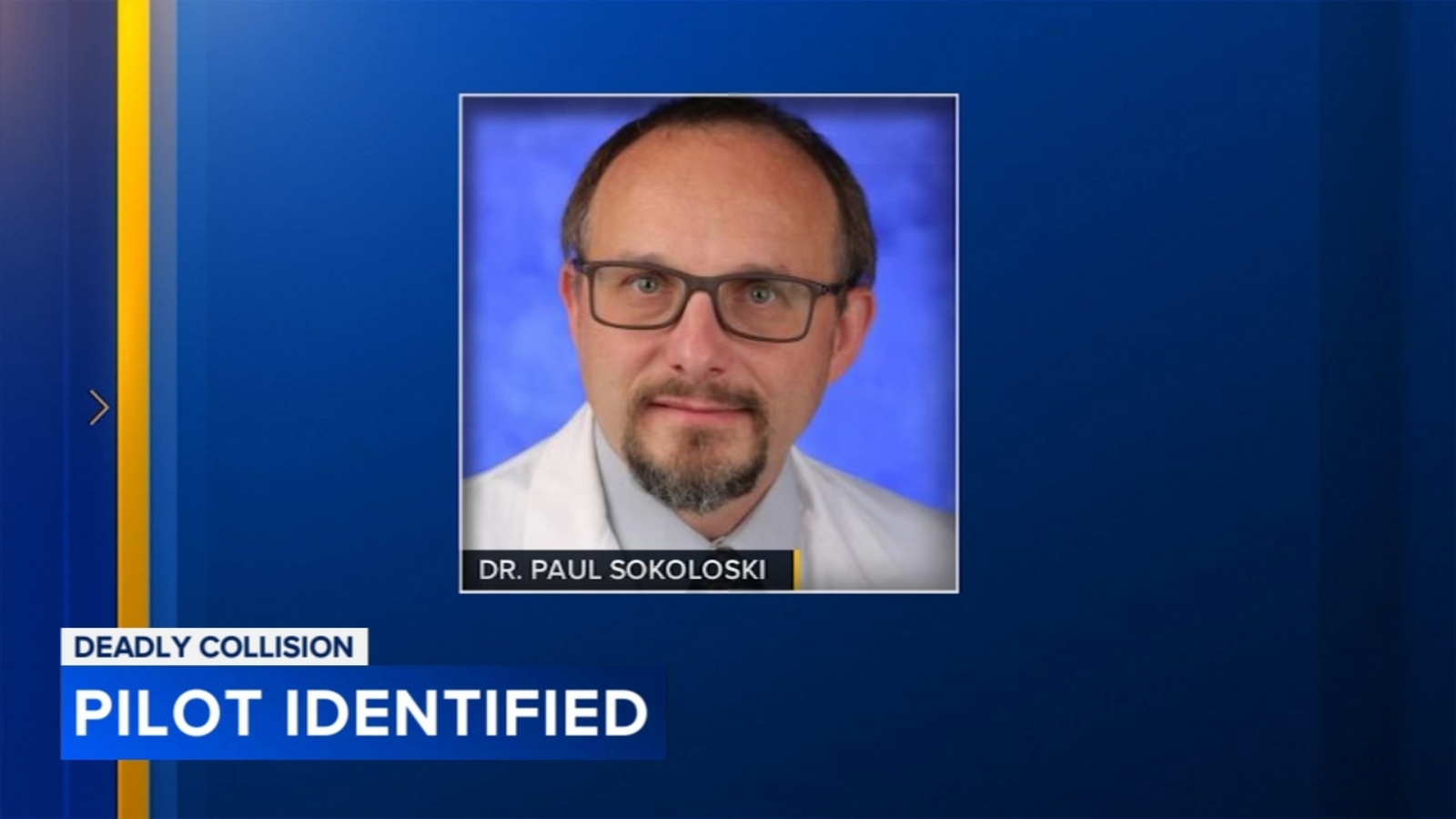
The Cumberland County Coroner’s Office identified the pilot of the Cessna as Dr. Paul Sokoloski, 57, of Hershey, Pennsylvania. He was the sole occupant of the small aircraft and died at the scene of the crash. Penn State Health released a statement expressing condolences, noting that Sokoloski was a “valued member of our emergency medicine team.”
Adding another layer of complexity to this tragedy, the National Transportation Safety Board later confirmed that Sokoloski was a certified flight instructor. Investigators revealed that he had flown south for several hours earlier that day to conduct training before returning to Carlisle.
The two injured individuals were identified by Governor Josh Shapiro as Cpl. Bryce Corman and Trooper Jason Mills. Both were inside the police helicopter when the collision occurred. While their injuries were described as minor, the severity of the crash itself made their survival remarkable. Governor Shapiro emphasized during a news conference at Penn State Health Milton S. Hershey Medical Center that “tonight could have been much worse.”
How the Collision Unfolded
NTSB investigator-in-charge Aaron McCarter provided detailed insight into the sequence of events during a Thursday briefing. According to his account, the state police helicopter had completed what is known as a “hover taxi,” an operation where the aircraft moves just a few feet off the ground. The helicopter was beginning to move off to the side of the runway when the midair plane helicopter collision occurred.
McCarter described the critical moments leading up to impact: “When he comes off the runway, that’s when the Cessna came in, straight level, suddenly increased its pitch, severe nose up. The plane turned and leveled off, then flew into the back of the helicopter.”
The aftermath was devastating. The Cessna crashed a short distance from the impact point and broke into multiple pieces. Meanwhile, the helicopter lost its rotor blades before plummeting to the ground and rolling onto its side. Both troopers were initially trapped inside the wreckage, but Cpl. Corman managed to push out a window and help Trooper Mills escape, an act of courage that likely saved both their lives.
The Role of CCTV Footage in the Investigation
CCTV footage verified by ABC News captured the collision, and dramatic videos quickly circulated online. McCarter acknowledged the public attention these videos received, stating, “So we see the outcome, but we want to understand why it happened.” This footage will likely play a crucial role in the ongoing NTSB investigation as investigators work to reconstruct the events leading to the crash.
Safety Concerns at Uncontrolled Airports
One of the most significant aspects of this midair plane helicopter collision is that Carlisle Regional Airport is an uncontrolled airfield. This means there is no air traffic control tower and no controllers on site to coordinate aircraft movements. Instead, pilots and helicopter crews communicate with each other on a shared frequency that everyone in the area can monitor.
McCarter indicated that there is “strong evidence” that the Cessna pilot was aware of the helicopter hovering in the area. “They were in communication with each other,” he confirmed. However, this communication apparently did not prevent the tragedy, raising important questions about the effectiveness of self-coordination at busy general aviation airports.
Uncontrolled airports rely heavily on pilot situational awareness, visual scanning, and radio communication to prevent accidents. While these systems generally work well, they depend entirely on every operator in the airspace following proper procedures and maintaining constant vigilance. The Carlisle incident has highlighted the inherent vulnerabilities of this system, particularly during training operations that may involve aircraft operating at low altitudes near runways.
The Investigation: What Officials Are Examining
McCarter outlined that the NTSB’s comprehensive investigation into this “catastrophic” crash would follow the agency’s standard approach of examining “the man, the machine, the environment.” This means investigators will look at the pilot’s background and experience, the mechanical condition of both aircraft, and the environmental factors that may have contributed to the accident.
One key area of focus is the maintenance history of the Cessna. Witnesses reported that Sokoloski had been conducting maintenance on his aircraft a day prior to the crash at the Carlisle airport. Investigators plan to examine those maintenance records carefully to understand what work was being performed and whether it could have played any role in the accident.
“I’m not saying the maintenance had anything to do with it,” McCarter clarified. “That was just one of the factors.” This careful, methodical approach is standard for NTSB investigations, which typically take months or even years to reach final conclusions.
Additional Investigation Factors
- The flight pattern and altitude of the Cessna in the moments before impact
- Radio communications between the two aircraft and any other traffic in the area
- Weather conditions and visibility at the time of the collision
- The experience levels and recent flight hours of all personnel involved
- The standard operating procedures for both the flight school operations and the police helicopter training exercise
The Broader Implications for Aviation Safety
This fatal midair plane helicopter collision is likely to spark renewed discussions about safety protocols at uncontrolled airports across the country. While such incidents remain statistically rare, they serve as sobering reminders of the risks inherent in aviation and the importance of robust safety systems.
Training operations, like the one the state police helicopter was conducting, represent a particular area of concern. When multiple aircraft are operating in close proximity for instructional purposes, the potential for miscommunication or situational awareness failures increases. Investigators will likely look closely at how the training exercise was coordinated and whether proper safety briefings had been conducted.
Community Response and Ongoing Investigation
The tragic loss of Dr. Paul Sokoloski has deeply affected both the Hershey medical community and the broader Pennsylvania aviation community. As a physician and flight instructor, he represented the intersection of two demanding professions that require precision, discipline, and unwavering attention to safety.
Meanwhile, the Pennsylvania State Police have expressed relief that their troopers survived the crash and are expected to make full recoveries. The agency continues to cooperate fully with the NTSB investigation.
Moving Forward
As the investigation progresses, more details will emerge about the precise circumstances that led to this heartbreaking midair plane helicopter collision. For now, the families of those affected, the aviation community, and the general public must wait for answers that may take considerable time to fully develop.
This tragedy underscores the critical importance of constant vigilance, clear communication, and rigorous safety standards in all aviation operations. Whether flying for medical emergencies, law enforcement training, or recreational purposes, every pilot and crew member carries the responsibility of ensuring that the skies remain as safe as possible. The lessons learned from the Carlisle Regional Airport collision will hopefully contribute to preventing similar tragedies in the future, honoring the memory of those lost and protecting those who continue to take to the skies every day.