
When winter temperatures plunge and snow blankets the streets, protecting animals in cold weather becomes a top priority for zookeepers, veterinarians, and pet parents alike. Whether you manage exotic species in a zoo setting or care for a beloved family dog, the principles of winter animal welfare share a common thread: understanding each animal’s unique needs and adjusting care routines accordingly. Drawing from expert insights at the Philadelphia Zoo and Philadelphia Animal Hospital, here’s a comprehensive guide to keeping animals safe, warm, and healthy during the harshest months of the year.
Lessons from the Zoo: How Professionals Handle Cold Weather Animal Care
Zoos serve as living laboratories for animal welfare, particularly when it comes to extreme weather management. At the Philadelphia Zoo, the staff demonstrates a meticulous, individualized approach to winter animal care that any pet owner can learn from.
Cold-Adapted Species Thrive in Winter
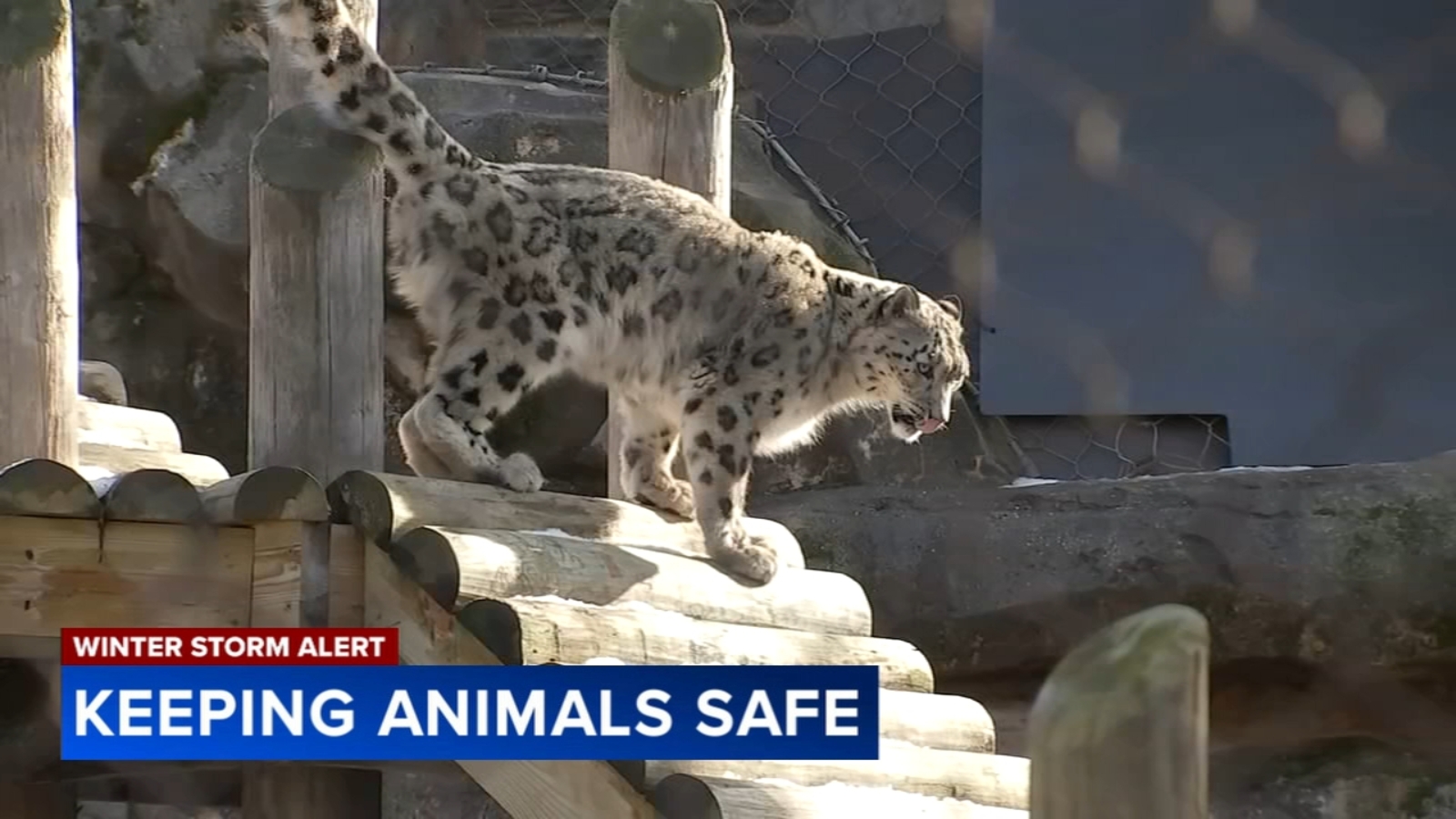
Not all animals dread the cold. Take Marcy, the snow leopard who hails from the Himalayan mountains. These magnificent cats are evolutionary masterpieces for frozen environments. Their dense, thick fur coats provide exceptional insulation, and their remarkably long tails serve as built-in scarves that they can wrap around their bodies and faces for additional warmth.
“Snow leopards are built for winter weather,” explains Maggie Morse, senior director of animal care at the Philadelphia Zoo. “They have obviously a lot of fur and tails that act as scarves. So they can wrap it around their bodies to keep warm.”
Other cold-weather specialists include Arctic foxes, reindeer, bison, and certain breeds of domestic dogs like Huskies and Malamutes. For these animals, cold temperatures are not just tolerable but genuinely enjoyable. In fact, many zoo staff report that cold-adapted species become more active and visible during winter months when temperatures match their natural habitat preferences.
Tropical and Reptilian Animals Need Special Attention
On the opposite end of the spectrum, animals from warmer climates require significant intervention to stay healthy in cold weather. At the Philadelphia Zoo’s reptile house, Beefcake the common chuckwalla lounges contentedly beneath heat lamps where temperatures can soar up to 140 degrees Fahrenheit. This kind of basking spot is essential for reptiles, which depend on external heat sources to regulate their body temperature.
Reptiles, amphibians, fish, and tropical birds all require carefully maintained microclimates during winter. Zoo professionals accomplish this through:
- Supplemental heating including heat lamps, ceramic heaters, and under-tank warming elements
- Humidity controls to prevent respiratory issues caused by dry indoor air
- UVB lighting to compensate for reduced natural sunlight exposure
- Carefully monitored enclosures with temperature gradients so animals can self-regulate
“We’re having a lot of meetings where we’re going to prepare for the upcoming storm, going over what each individual animal’s needs,” Morse shared. This pre-storm planning is a critical practice that ensures no animal’s welfare is overlooked during severe weather events.
Protecting Pets at Home: Essential Winter Safety Guidelines
While zoo animals benefit from professional care teams, our household pets rely entirely on us to make smart decisions about their safety. Dr. Leia Chung of Philadelphia Animal Hospital offers practical guidance for navigating the unique challenges that winter brings.
Paw Care: A Critical Winter Concern
One of the most overlooked aspects of winter pet safety is paw protection. Salted sidewalks, a common feature in urban environments, pose real hazards to dogs and cats alike. The chemical de-icers can cause paw pads to become irritated, cracked, and even chemically injured.
“It will mostly be like a burning sensation for them, the paws will get red,” Dr. Chung warns. To protect your pet’s paws, consider these strategies:
- Wipe paws thoroughly after every walk using a damp cloth or pet-safe paw wipes
- Apply paw balm or wax before outings to create a protective barrier
- Invest in dog booties for pets that tolerate them, especially during heavy salt use
- Avoid heavily treated areas when possible, opting for routes with less exposure to de-icing chemicals
Additionally, ice and snow can accumulate between paw pads, causing pain and potentially leading to injuries. Trimming the hair between your dog’s paw pads before winter can help prevent painful ice ball formation.
Adjusting Exercise Routines
Cold weather doesn’t mean your dog should be confined indoors all winter, but routines do need adjustment. Dogs with short fur, small body frames, or low body fat are particularly vulnerable to cold temperatures. For these pets, Dr. Chung recommends significantly shorter outings: “Five-minute potty breaks three times a day.”
When venturing out for longer walks, consider the following cold weather pet care strategies:
- Choose midday hours when temperatures are typically at their peak
- Stay active during walks to keep your pet moving and generating body heat
- Bring water to prevent dehydration, which can occur even in cold weather
- Watch for shivering, lifting paws, or reluctance to continue walking as signs of distress
Coats and Warmth for Short-Haired Breeds
Just like humans bundle up in winter coats, many dogs benefit from wearing them too. Short-haired breeds, toy breeds, senior dogs, and puppies should wear insulated jackets or sweaters during outdoor excursions. A properly fitted dog coat should cover the torso from neck to tail base without restricting movement.
When selecting winter gear for your pet, prioritize:
- Waterproof materials to keep the dog dry in snow and slush
- Reflective elements** to maintain visibility during shorter daylight hours
- Proper fit** that doesn’t chafe under the legs or restrict breathing
- Easy on-off design** so your pet can wear it without stress
The Golden Rule of Winter Pet Care
Perhaps the most valuable piece of advice comes from a simple observation shared by veterinarians: if you’re cold, your pet probably is too. This rule of thumb applies to most domestic animals, though there are notable exceptions for cold-adapted breeds. Dogs and cats generally prefer ambient temperatures between 65 and 72°F, similar to humans. If you find yourself reaching for an extra layer, your pet likely appreciates additional warmth as well.
This principle extends beyond temperature. Consider wind chill, precipitation, and humidity,factors that affect how cold the air actually feels. A damp, windy day at 35°F can feel much colder than a still, dry day at the same temperature, and your pet experiences the same weather reality.
Preparing for Severe Weather: A Proactive Checklist
Drawing inspiration from the Philadelphia Zoo’s pre-storm planning approach, here’s a winter preparation checklist for any animal caretaker:
- Stock emergency supplies including extra food, water, medications, and warming items
- Know your pet’s cold tolerance based on breed, age, health, and coat type
- Create warm indoor spaces away from drafts, with appropriate bedding
- Identify warming locations for reptiles, birds, and other heat-dependent species
- Review outdoor enclosure designs for any outdoor animals like rabbits or chickens
- Keep contact information handy for your veterinarian and emergency animal hospitals
For outdoor animals such as backyard chickens, rabbits, or barn cats, additional considerations include wind-blocking shelter, heated water bowls to prevent freezing, and deep bedding that retains body heat.
Conclusion
Protecting animals in cold weather requires thoughtful preparation, keen observation, and a willingness to adjust habits based on changing conditions. From the snow leopards thriving in their natural-element cold to the chuckwallas basking under heat lamps, every species has unique needs that deserve careful attention. Pet parents can apply the same individualized approach at home by considering their animal’s breed, age, health, and cold tolerance. By following expert guidance from veterinary and zoo professionals, keeping a watchful eye on weather conditions, and remembering the simple rule that your pet’s comfort often mirrors your own, you can ensure that the animals in your care stay healthy, warm, and happy all winter long.