
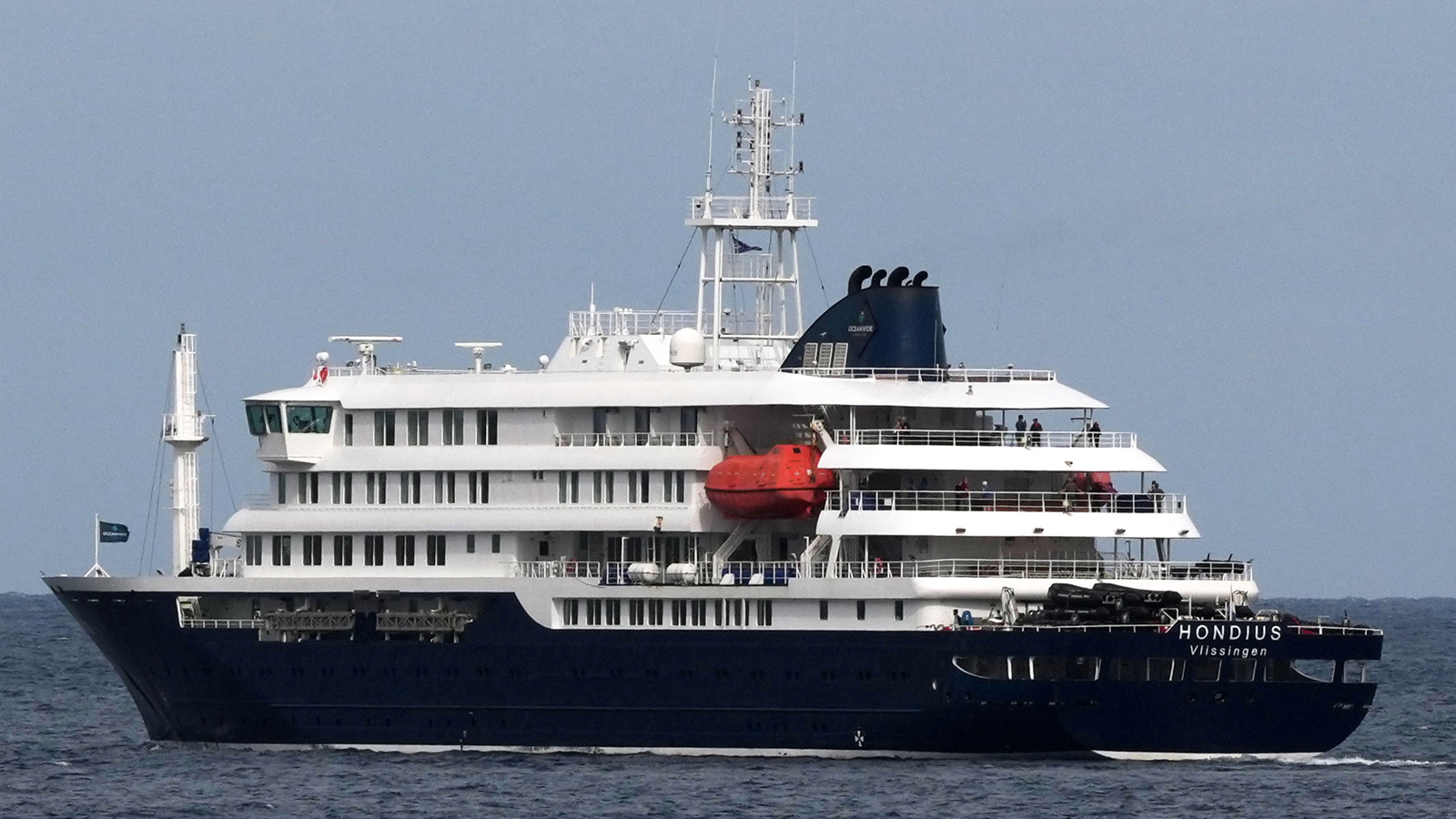
A hantavirus outbreak aboard a small expedition cruise ship has triggered an international response, with health officials now scrambling to trace more than two dozen passengers who disembarked the ship across at least a dozen different nations. The rare and deadly outbreak, which has claimed three lives so far, is unfolding on the MV Hondius, a Netherlands-based expedition vessel operated by Oceanwide Expeditions. With passengers scattered across 12 countries and the virus’s lengthy incubation period raising alarms, the situation has become one of the most complex maritime public health emergencies in recent memory.
What Is Hantavirus and Why This Outbreak Is Different
Hantavirus is a family of viruses typically transmitted to humans through inhalation of aerosolized particles from contaminated rodent droppings, urine, or saliva. Most strains do not spread easily between people, which is why the World Health Organization has emphasized that the risk to the general public remains low. However, the strain identified in this particular outbreak , the Andes virus , is the exception that public health experts have long feared.
The Andes virus is currently the only known hantavirus strain capable of sustained human-to-human transmission. Originally identified in South America, it causes hantavirus pulmonary syndrome (HPS), a severe respiratory illness with a notoriously high fatality rate. According to Argentina’s health ministry, the country recorded 28 deaths from hantavirus last year alone , a sharp increase compared to the average of 15 fatalities in the preceding five years. Nearly a third of all cases in Argentina last year proved fatal.
How Hantavirus Pulmonary Syndrome Develops
Symptoms of hantavirus pulmonary syndrome typically emerge between one and eight weeks after exposure, which is why contact tracing efforts in this case are so extensive. Initial signs often mimic the flu, including fever, muscle aches, and fatigue, but the disease can rapidly progress to severe respiratory distress as fluid fills the lungs. There is no specific cure or widely available vaccine, making early supportive care critical.
Timeline of the Cruise Ship Outbreak
The MV Hondius departed from Argentina before the voyage took a tragic turn. The ship’s doctor, along with two other critically ill individuals, were evacuated near Cape Verde on Wednesday and transported to specialized hospitals in Europe for advanced treatment.
- April 11: A Dutch man becomes the first confirmed fatality aboard the ship.
- April 24: Roughly 30 to 40 passengers disembark at St. Helena, a remote volcanic British territory in the South Atlantic. The body of the Dutch man is also offloaded at this time.
- April 25: The Dutch man’s wife flies to South Africa, where she subsequently dies from the infection.
- May 2: Health authorities first confirm hantavirus in a British passenger who had been evacuated to South Africa from Ascension Island. The same day, a German woman dies aboard the ship, with her body still remaining on board.
- Present day: The ship is sailing toward Spain’s Canary Islands with more than 140 passengers and crew still on board.
The Dutch couple had reportedly traveled through Argentina, Chile, and Uruguay on a bird-watching excursion before boarding the vessel. According to WHO Director-General Tedros Adhanom Ghebreyesus, the couple visited locations where the specific rat species known to carry the Andes virus was present, suggesting the initial exposure likely occurred on land rather than aboard the ship itself.
An Unprecedented International Response
Perhaps the most alarming aspect of this hantavirus outbreak is the geographical spread of potentially exposed individuals. More than two dozen passengers from at least 12 different countries left the ship on April 24, and contact tracing has now spread across at least four continents. Health authorities are working against the clock, given the virus’s lengthy incubation period.
St. Helena’s Isolation Measures
Local authorities on St. Helena have been monitoring a small number of “higher risk contacts” and have instructed them to isolate for 45 days , well beyond the maximum known incubation window. The island’s government is taking no chances with a virus that has already demonstrated the ability to spread person-to-person.
Tracing Passengers Across Multiple Countries
Singapore’s Communicable Diseases Agency reported that two men who disembarked at St. Helena and flew home via South Africa are being isolated and tested. One presented with a runny nose while the other remained asymptomatic. Meanwhile, British health officials confirmed that two passengers who flew home midway through the journey are self-isolating without symptoms, along with a small number of their close contacts.
South Africa’s Complicated Investigation
South African authorities are focused primarily on an April 25 flight from St. Helena to Johannesburg, which carried 88 people total. The Dutch woman who later died in South Africa briefly boarded this flight before being removed due to her deteriorating condition. Investigators are now trying to determine how many other cruise passengers were on that rare weekly flight.
The Dutch health ministry also revealed that a flight attendant who briefly boarded the same Johannesburg plane was exhibiting symptoms of hantavirus and was being tested in an isolation ward at a hospital in Amsterdam. If confirmed positive, she would be the first known person outside the original ship environment to contract the virus during this outbreak.
The WHO’s Reassurance and Continued Vigilance
Despite the international alarm bells ringing, the World Health Organization has sought to reassure the public that the broader risk remains contained. Dr. Abdirahman Mahamud, the WHO’s alert and response director, stated that the outbreak will likely remain limited if public health measures are properly implemented and countries cooperate. The WHO has arranged for 2,500 diagnostic kits to be shipped from Argentina to laboratories in five countries to support testing efforts.
WHO leadership has been in regular contact with the ship’s captain, and Dr. Tedros noted that morale among those still aboard has improved significantly since the vessel resumed its journey toward Spain. None of the remaining passengers or crew on board are currently symptomatic, according to the ship’s operator.
Key Takeaways From the Outbreak
This unfolding situation highlights the unique vulnerabilities of expedition cruises, where remote itineraries and international passenger mixes can transform a contained illness into a global health response. Several important lessons are already emerging:
- Early detection is challenging: The first confirmed case didn’t come until May 2, more than three weeks after the initial death, due to limited diagnostic capabilities aboard the ship and in remote locations.
- The Andes virus is uniquely dangerous: As the only hantavirus known to transmit between humans, it requires far more aggressive contact tracing than typical rodent-borne illnesses.
- International cooperation is essential: With passengers dispersed across at least 12 countries, no single nation’s health authority can manage the response alone.
- Wildlife tourism carries hidden risks: The initial exposures appear linked to land-based wildlife viewing in South America, where contact with rodent habitats is more likely.
Conclusion
The hantavirus outbreak aboard the MV Hondius represents a sobering reminder that even in an era of advanced medicine, infectious diseases can quickly transcend borders when people, wildlife, and confined spaces intersect. With three confirmed deaths, multiple critically ill patients receiving specialized care in Europe, and dozens of passengers scattered across the globe potentially within the virus’s incubation window, the situation demands sustained international cooperation. While the WHO has stressed that the risk to the broader public remains low, the next several weeks will be critical as contact tracing efforts continue and the incubation period for the most recent contacts begins to close. For travelers, public health officials, and the cruise industry alike, this outbreak serves as a powerful case study in the importance of preparedness, transparent communication, and coordinated global response when confronting emerging infectious disease threats.