
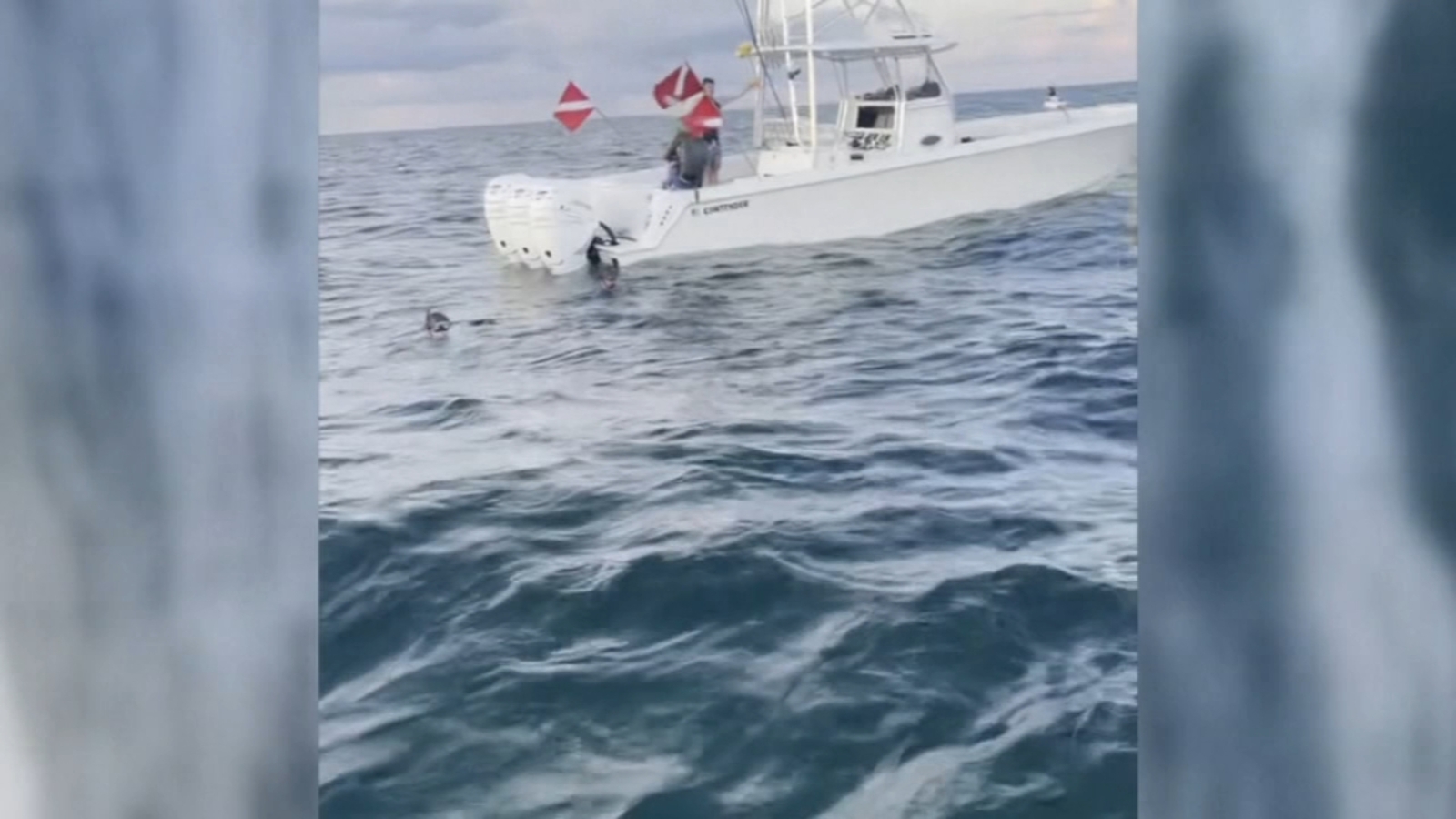
A Florida man faces an attempted murder charge after authorities say he deliberately cut off the air supply of a teenage diver who was submerged underwater during a lobster hunting expedition off the coast of Miami. The shocking incident, which unfolded in late July, has raised urgent questions about boating safety, territorial disputes on the water, and the extreme lengths some individuals will go to over a perceived claim to a fishing spot.
The Incident: A Dispute Over Lobster Diving Territory
According to the Miami-Dade Sheriff’s Office arrest affidavit, the confrontation began on July 29 when Michael Joseph Simpson Jr., 51, of Miami Beach, allegedly approached a lobster diving vessel captained by Steven Del Sol. Simpson’s Conch-brand boat reportedly sped toward Del Sol’s anchored vessel near Fisher Island and began circling it at high speed.
Del Sol’s vessel had been anchored in the area before Simpson’s arrival, according to the affidavit. At the time of the approach, a teenage diver from Del Sol’s boat was already underwater, hunting for spiny lobsters using a piece of equipment called a third lung apparatus. This device floats on the water’s surface and pumps air to divers below through a breathing hose, allowing them to stay submerged for extended periods.
How a Lobster Diving Dispute Escalated
After Simpson anchored his boat approximately ten feet from Del Sol’s vessel, a heated verbal exchange allegedly erupted. Simpson and the occupants of his boat reportedly claimed that Del Sol was anchored in their spot, despite Del Sol’s assertions that he had arrived first.
The situation grew more volatile when a second vessel associated with Simpson, a 39-foot Contender boat carrying additional lobster divers, arrived on scene and also anchored roughly ten feet from Del Sol’s boat. Del Sol reportedly had to warn a juvenile diver from the Contender boat to stay away from the third lung because the teen from his own crew was actively using it underwater.
The Alleged Attack on the Diver’s Air Supply
According to the affidavit, Simpson became enraged during the confrontation and declared, “I’ll turn the Brownie [third lung] off if I want to!” Witnesses aboard Del Sol’s boat, including the parents of the submerged teenager, then allegedly observed Simpson swim over to the floating air supply unit and intentionally shut it off, severing the victim’s air supply.
Panicked cries of “We have a diver down there you [expletive]!” rang out across the water as the realization of what had happened set in. Cell phone pictures and video footage captured the incident, showing what appeared to be Simpson swimming rapidly away from the third lung apparatus after it was deactivated.
The Rescue and the Aftermath
Del Sol told police he dove into the water to rescue the stranded teen, who had become tangled in his air supply hose and the anchor line of Del Sol’s boat. When pulled to the surface, the young diver was reportedly gasping for air, disoriented, and unable to comprehend what had just happened. The terrifying close call could easily have resulted in drowning had Del Sol not acted quickly.
Simpson allegedly fled the scene after the incident, but was later identified through a photographic lineup by occupants aboard Del Sol’s boat. Six days after the alleged attack, Simpson surrendered to police voluntarily.
Legal Proceedings and the Attempted Murder Charge
Simpson was initially arrested on a felony charge of first-degree attempted murder. However, during a bond hearing, Miami-Dade Circuit Court Judge Mindy S. Glazer reduced the count to second-degree attempted murder after conferring with both a prosecutor and Simpson’s defense attorney.
Judge Glazer set Simpson’s bond at $10,000, stating plainly, “This is a very serious matter that somebody would try to turn off someone’s air tank while they’re swimming, diving.” Her comments underscore the gravity of the attempted murder charge and the potential for tragedy that was narrowly avoided.
The Defense’s Position
Simpson’s attorney, Howard Srebnick, has vowed that Simpson will plead not guilty to the charges. Speaking to reporters, Srebnick asserted that his client is innocent and claimed eyewitness testimony supports his position.
“He is not guilty. We have eyewitnesses that will prove he’s not guilty,” Srebnick told WSVN. “We look forward to getting this charge resolved quickly.”
The defense has taken an aggressive stance, with Srebnick specifically denying that Simpson had any physical contact with the third lung device. “He never touched the tank, and so this claim he had something to do with the tank turning off is just false,” Srebnick added.
Simpson himself briefly addressed the media after posting bond, asking reporters to “allow both sides to come out” before any conclusions are drawn about the incident.
A Betrayal of Public Trust
Adding a disturbing layer to the case is the revelation that Simpson was a former government-appointed member of the Miami-Dade Boater Safety and Bay Education Task Force. The Miami-Dade County Office of the Mayor confirmed Simpson’s prior role and issued a statement condemning the alleged conduct.
“The County’s Boater Safety and Bay Education Task Force was created with one goal: to make our waterways safer,” the statement read. “The conduct alleged in this case against Michael Joseph Simpson is contrary to that mission.”
The irony of a man charged with protecting boater safety now facing an attempted murder charge stemming from an alleged attack on another waterway user has not been lost on observers. The case highlights the importance of accountability within organizations tasked with promoting safe practices on the water.
Broader Implications for Waterway Safety
This incident has sparked broader conversations about maritime safety, proper conduct during fishing and diving disputes, and the vulnerability of divers who depend on surface-supplied air. The third lung apparatus, while invaluable for extended underwater hunting, creates a critical dependency on equipment that can be deliberately or accidentally compromised.
Florida’s waters are a popular destination for recreational lobster diving, particularly during the spiny lobster season, which typically runs from late summer through early spring. With countless divers entering the water each year, disputes over prime diving locations are not uncommon. However, the alleged actions in this case represent an extreme and dangerous escalation of what is typically a minor disagreement.
Legal Consequences Ahead
As the case moves through the criminal justice system, prosecutors will need to establish intent and prove that Simpson deliberately cut off the diver’s air supply. The presence of video evidence and multiple eyewitness accounts could play a significant role in the proceedings. Meanwhile, the defense’s challenge to the physical evidence may center on proving that Simpson never actually touched the third lung device.
Regardless of the outcome, the case serves as a sobering reminder of how quickly conflicts on the water can turn dangerous, particularly when the safety of vulnerable individuals is at stake. The teen diver’s fortunate rescue by Del Sol prevented what could have been a tragic loss of life, and the subsequent attempted murder charge ensures accountability will be pursued through the courts.
Conclusion
The case of Michael Joseph Simpson Jr. stands as one of the most alarming examples of waterway violence in recent memory. A man entrusted with promoting boating safety now faces an attempted murder charge for allegedly severing a teenage diver’s air supply over a territorial dispute. While the legal process unfolds and both sides prepare to present their cases, the incident serves as a powerful cautionary tale about the fragility of underwater safety and the importance of resolving disputes peacefully on Florida’s busy waterways. The young diver’s survival is nothing short of miraculous, and the justice system now bears the responsibility of ensuring that such a dangerous act does not go unanswered.