
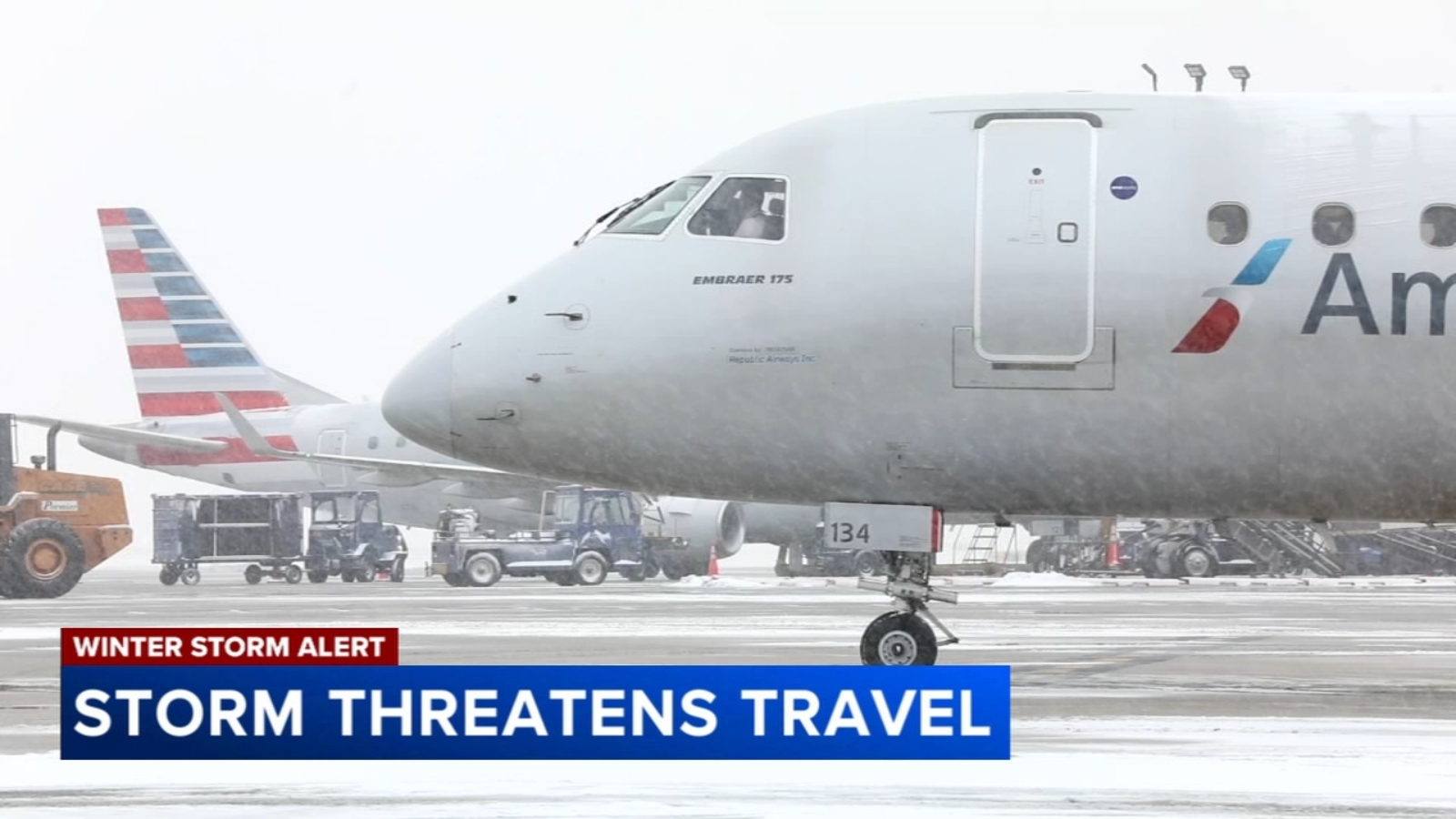
As meteorologists track a massive weather event expected to disrupt life for an estimated 225 million people, travelers across the country are scrambling to adjust their plans. Winter storm travel disruptions are already causing flight cancellations, delays, and widespread chaos at major airports. If you have trips scheduled over the coming days, travel experts are urging you to act now rather than wait for the inevitable cancellations to pile up.
The ripple effect of a storm this large will extend well beyond the regions directly hit by snow and ice. Major airline hubs, including those serving the Philadelphia area, are preparing for an unprecedented wave of rebookings and frustrated passengers. Understanding your options, your protections, and the potential pitfalls before you head to the terminal can save you thousands of dollars and countless hours of stress.
Why You Should Rebook Your Flight Right Now
When airlines announce flight cancellations ahead of a major weather system, they’re typically giving travelers a window of opportunity to change plans without penalty. This window doesn’t last forever. Once the storm hits and operations begin deteriorating, airlines stop offering flexible rebooking and shift into damage control mode.
Major carriers have already begun issuing travel waivers for passengers flying through affected airports. American Airlines, for example, has opened rebooking for customers scheduled to travel through more than 30 airports from Friday through Sunday. Eligible passengers can change their flights free of penalty, cancel for a refund, or receive credit good for a full year.
The smartest move is to be proactive. If your itinerary falls within the waiver period, lock in your new travel plans before other passengers flood the system. Experienced travel agents note that early rebookings tend to get better seat availability, more convenient departure times, and access to alternate routings that disappear once the cancellation cascade begins.
What Travel Waivers Typically Include
- Free rebooking on alternate flights within a specified date range
- Refund eligibility if you choose to cancel rather than reschedule
- Travel credits that can be applied to future trips
- Waived change fees that would normally cost $100 or more per ticket
What Federal Regulations Won’t Cover
Here’s the harsh reality that catches many travelers off guard: federal regulations provide essentially no protection for weather-related cancellations. Unlike situations involving mechanical failures or crew shortages, weather falls outside the airline’s sphere of control, which means they’re under no obligation to compensate you for hotels, meals, or other expenses.
This regulatory gap is one of the most misunderstood aspects of air travel. Passengers who assume they’re entitled to compensation after sitting on a tarmac for hours, or being stranded overnight at a connecting city, are often disappointed to learn that bad weather offers them no recourse. The Department of Transportation’s rules on passenger protection specifically carve out weather as an uncontrollable circumstance.
This is precisely why experts recommend exhausting all rebooking options before the storm arrives. Once you’re officially canceled, you’re dependent on whatever the airline chooses to offer, which may be far less generous than the proactive waivers currently on the table.
Understanding Travel Insurance and Trip Disruption Coverage
If you’ve purchased travel insurance, now is the time to dig out your policy documents and read the fine print. Not all policies treat weather disruptions equally, and the terminology can be confusing.
The phrase you want to look for is “trip disruption” coverage or “trip interruption” benefits. These provisions typically reimburse you for:
- Unplanned hotel stays when your flight is canceled
- Meal expenses during extended delays
- Ground transportation costs to alternative airports
- Lost prepaid bookings that can’t be refunded
However, some policies contain exclusions for predictable weather events. If the storm was clearly forecast before you purchased your insurance, your claim may be denied. This is another reason to act quickly: some policies require you to purchase coverage before a storm is named or officially forecast, and that window is rapidly closing.
Credit Card Travel Protections You Might Not Know About
Beyond traditional insurance, many travelers overlook the substantial protections built into premium credit cards. If you booked your flight with a card offering trip delay or trip cancellation coverage, you may have a valuable backup plan in place.
These benefits typically cover:
- Hotel accommodations when delays force an unexpected overnight stay
- Meal purchases during extended ground delays
- Baggage-related expenses when luggage is lost or delayed
- Trip cancellation reimbursement under qualifying circumstances
Before assuming you’re out of options, check your card’s benefits guide or call the number on the back. Many premium cards offer protections worth hundreds or even thousands of dollars per trip, but you must follow specific procedures, such as using the card for all incidentals, to qualify for reimbursement.
Cybersecurity Threats Rise Alongside Flight Cancellations
Unfortunately, travel chaos creates fertile hunting grounds for cybercriminals. As flight cancellations multiply and passengers desperately search for rebooking options, scammers ramp up their efforts to separate travelers from their personal data and money.
Two threat categories in particular are surging this weekend:
Phishing Texts and Fake Rebooking Links
Criminals are sending fraudulent text messages and emails that appear to come from legitimate airlines. These messages often claim to offer “priority rebooking” or urgent flight change notifications, complete with links that lead to convincing but malicious clones of airline websites.
If you enter your login credentials on these fake sites, criminals gain immediate access to your frequent flyer account, stored payment methods, and personal identification. In some cases, attackers use stolen credentials to drain loyalty program balances or book fraudulent tickets using your stored mileage.
The safest approach is to never click links in unsolicited messages. Instead, open your airline’s official app directly or type the airline’s web address into your browser manually. Even if a message appears legitimate, going directly to the source is the only way to guarantee you’re on the real site.
Public Wi-Fi Risks at Airports
When flights are canceled and terminals overflow with stranded passengers, airport Wi-Fi networks become overwhelmed and potentially dangerous. Cybercriminals sometimes set up rogue hotspots with names similar to legitimate airport networks, hoping distracted travelers will connect automatically.
Once connected, attackers can potentially intercept your data, redirect you to malicious websites, or gain access to your device. The safest options are:
- Use your cellular data connection instead of public Wi-Fi
- Connect through a reputable VPN service that encrypts your traffic
- Avoid accessing sensitive accounts like banking or email on airport networks
- Disable automatic Wi-Fi connection on your devices
Practical Steps to Take Before the Storm
Whether you’re already booked or still considering whether to proceed with your trip, here are concrete actions to take immediately:
1. Check your flight status frequently. Weather forecasts evolve, and your airline may add waiver eligibility or change your flight time with little notice. Set up push notifications through the airline’s app for real-time updates.
2. Download airline apps for all carriers you might need. If you fly frequently, having the apps for American, Delta, United, Southwest, and JetBlue already installed means you can quickly search for rebooking options if your primary carrier falls apart. Trying to download apps on congested airport Wi-Fi is its own nightmare.
3. Screenshot your entire booking confirmation. If your phone loses connectivity or your airline’s systems go offline, having screenshots of confirmation numbers, seat assignments, and contact information can speed up rebooking at the counter.
4. Pack for the possibility of delays. Include portable chargers, snacks, a change of clothes, and essential medications in your carry-on. If you end up stuck overnight, having these basics available eliminates immediate stress.
5. Know your rebooking rights before you need them. Read your airline’s contract of carriage, review your insurance policy, and check your credit card benefits. The middle of a cancellation crisis is the worst moment to discover what you’re entitled to.
The Bottom Line on Winter Storm Travel
Winter storm travel disruptions are no longer a remote possibility for this weekend’s travelers. They are an active, ongoing reality affecting hundreds of millions of people from coast to coast. The travelers who will fare best are those who treat this storm as a serious threat to their plans rather than a minor inconvenience.
Reactive travelers will spend the weekend in long customer service queues, scrambling for limited hotel rooms and fighting over rerouted flights. Proactive travelers will have already secured alternative arrangements, verified their insurance coverage, and prepared their devices for the digital challenges of navigating a disrupted travel ecosystem.
Your flight may or may not ultimately be canceled. But if it is, the difference between a minor inconvenience and a major disaster comes down to the steps you take right now, before the snow starts falling and the chaos begins. Review your itinerary, explore your rebooking options, and protect your digital security. The storm is coming, but your preparation doesn’t have to wait for it to arrive.