
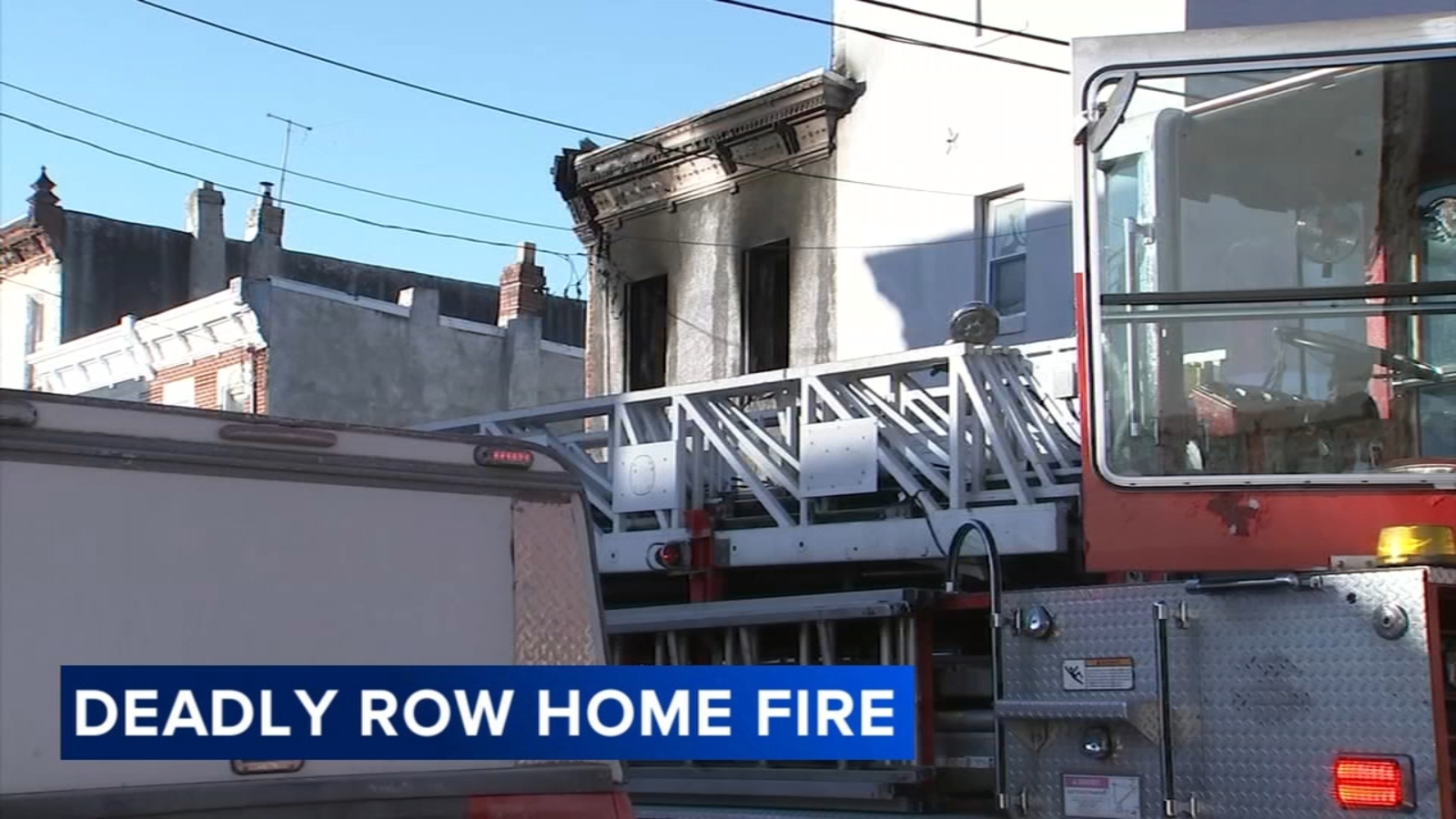
The quiet streets of North Philadelphia were shattered before dawn on Thursday morning by a devastating row home fire that claimed the life of a beloved neighborhood figure. The blaze, which ignited around 5:20 a.m. on the 2500 block of North 12th Street, left residents and loved ones grappling with profound loss as emergency responders worked through heavy smoke and flames to search the burning building.
Inside the second-floor bedroom, firefighters made a heartbreaking discovery: the body of 63-year-old Darryl Gordon Sr. He was pronounced dead at the scene, leaving behind a community that now mourns one of its most cherished members. As investigators work to determine exactly what sparked this tragedy, the incident has reignited important conversations about fire safety in densely populated urban neighborhoods where row homes stand shoulder to shoulder.
Details of the Tragic Row Home Fire
When Philadelphia fire crews arrived at the scene shortly after receiving the early morning emergency calls, they encountered a fierce battle against heavy smoke and visible flames pouring from the structure. The row home fire had already gained significant ground by the time first responders initiated their attack, complicating rescue efforts and search operations within the multi-story dwelling.
According to Philadelphia Fire Executive Chief Daniel McCarty, the location where crews found the victim suggests a man who recognized the danger and attempted to act. Investigators observed Gordon’s favorite chair positioned near a second-floor window, a detail that paints a poignant picture of his final moments. The arrangement strongly suggests he was trying to reach the window to escape the encroaching smoke and heat before tragedy struck.
“From where we located the male, it looks like he recognized there was a fire,” McCarty told reporters at the scene. The statement underscores how quickly a residential fire can transform from a manageable emergency into a life-threatening crisis, especially in the predawn hours when residents are often asleep.
Firefighters worked diligently for approximately 30 minutes before bringing the row home fire under control. Their swift response prevented what could have been an even greater catastrophe, particularly given the proximity of neighboring homes in the tightly packed North Philadelphia block.
Remembering Darryl Gordon Sr.: A Pillar of the Community
To the residents of North 12th Street, Darryl Gordon Sr. was far more than a victim in a news story. He was a fixture, a mentor, a father figure, and a friend whose presence shaped the character of the entire neighborhood. The 63-year-old father of five had spent decades embedding himself in the fabric of his community, offering guidance, support, and encouragement to anyone who crossed his path.
Gordon’s nephew spoke through tears as he attempted to capture the essence of the man the community lost. He described his uncle as an entrepreneur and a relentlessly positive person whose wisdom was freely shared with everyone he encountered. Whether neighbors needed advice on a business venture, encouragement during difficult times, or practical help with a pressing problem, Gordon was always ready to step up.
“Every time you’d see him, he gave you something to work with that day,” the nephew recalled. “Like don’t forget to do this. Try hard at that. Don’t give up on that. If you needed something, you could go to him, and he got you. That’s just the way it was. Because we’re a village.”
The community’s grief runs especially deep because Gordon had already endured tremendous personal loss. In 2016, he buried a son whose memory has been immortalized through a vibrant mural painted on a nearby corner. That artwork, which has become a landmark in the neighborhood, now stands as a reminder of both the joy and the heartbreak this family has weathered over the years.
A Neighborhood’s Collective Mourning
Neighbors gathered in the hours following the row home fire to share memories and comfort one another. Many echoed a common sentiment: Gordon was “an uncle to everybody.” For those who had watched him grow up and those who had only recently moved to the block, the loss feels personal and profound.
One longtime resident summed up the community’s feelings simply but powerfully: “He was a good man.” In a city often defined by its challenges, Gordon represented the best of what North Philadelphia neighborhoods can be when individuals commit to lifting up those around them.
The Investigation and Fire Safety Questions
As loved ones process their grief, fire investigators are working to piece together what happened inside the home on the morning of the blaze. The cause of the row home fire remains under investigation, with officials examining every possible angle to determine what ignited the flames and how they spread so rapidly through the structure.
The Critical Question of Smoke Detectors
One of the most pressing concerns emerging from this tragedy is whether the home was equipped with working smoke detectors. Officials have not yet confirmed whether functional alarms were present at the time of the fire, leaving open a haunting question that often determines whether residents survive residential blazes.
Smoke detectors are widely regarded by fire safety experts as the single most important tool for surviving a home fire. They provide the critical early warning that allows occupants to escape before smoke inhalation and flames make escape impossible. In row homes specifically, where fire can spread rapidly from one unit to the next through shared walls, functional smoke alarms are absolutely essential.
This row home fire serves as a sobering reminder for residents throughout Philadelphia and similar cities to check their smoke detectors regularly, replace batteries twice a year, and ensure every level of their home is protected by a working alarm.
Row Home Fire Risks and Community Safety
The dense architecture of North Philadelphia, characterized by long rows of attached brick homes, creates unique fire safety challenges that differ from those faced by residents of detached suburban houses. When a row home fire ignites, the shared walls between units can allow flames and toxic smoke to spread quickly to neighboring properties, potentially endangering entire blocks of residents.
This structural reality makes early detection and rapid evacuation especially critical. Fire departments across urban areas consistently emphasize several key safety measures for residents of row homes and other multi-family dwellings:
- Install smoke detectors on every level, including inside each bedroom and outside sleeping areas
- Test alarms monthly and replace batteries at least twice per year
- Develop and practice an escape plan with all household members
- Keep hallways and stairways clear of clutter that could impede evacuation
- Never use ovens or stovetops for heating the home
- Maintain heating equipment and have it inspected regularly
- Avoid overloading electrical outlets and replace damaged cords immediately
The predawn timing of this North Philadelphia fire is particularly troubling from a safety standpoint. Most residential fire fatalities occur between midnight and 6 a.m. when residents are asleep and less likely to detect danger before smoke or flames make escape difficult. Working smoke detectors dramatically reduce this risk by alerting occupants while evacuation routes may still be passable.
How the Community Is Responding
In the wake of the row home fire, the North Philadelphia community has begun the difficult work of mourning while also rallying around Gordon’s surviving family members. The five children he leaves behind, along with his extended family, are receiving support from neighbors who understand that their collective loss extends far beyond a single household.
Local leaders, residents, and advocacy groups are expected to use this tragedy as a catalyst for renewed conversations about fire prevention resources in Philadelphia neighborhoods. Community organizations frequently partner with the Philadelphia Fire Department to distribute free smoke detectors, conduct home safety inspections, and educate residents about fire risks, and these programs often see increased participation following high-profile incidents.
The mural of Gordon’s late son, which has long served as a gathering place for the neighborhood, is likely to take on even greater significance in the days ahead as residents come together to honor both father and son.
A Community United in Loss
The devastating row home fire that claimed Darryl Gordon Sr.’s life has left an indelible mark on North Philadelphia. While investigators continue their work to determine the cause and circumstances of the blaze, those who knew Gordon best are focused on preserving his legacy and supporting the family he loved so deeply.
Gordon’s story is, in many ways, the story of countless neighborhood pillars who shape communities through quiet, consistent acts of generosity and care. His absence will be felt on every block where he once offered encouragement, in every conversation where his advice is missed, and in the lives of the five children who must now navigate life without their father’s steady presence.
As the North Philadelphia community mourns, this tragedy also serves as a powerful reminder of the importance of fire safety preparedness in every home. Working smoke detectors, practiced escape plans, and community awareness can mean the difference between life and death when flames break out in the predawn hours. In honoring Darryl Gordon Sr.’s memory, residents across Philadelphia can take meaningful action to ensure that no other family experiences such a devastating loss.