
A devastating grand canyon flood swept through one of America’s most iconic national parks over the weekend, leaving two people dead, one missing, and forcing the dramatic rescue of approximately 80 visitors. The catastrophic flash flood struck the Bright Angel Creek area on Saturday afternoon, catching hikers and campers off guard as torrential rain transformed a serene canyon corridor into a raging torrent.
As rescue operations continue and officials assess the widespread destruction, the tragedy has raised urgent questions about visitor safety, aging infrastructure, and the growing role of climate change in intensifying monsoon-season storms across the American Southwest.
A Massive Rescue Operation Unfolds
Park rangers and emergency responders launched a sweeping search and rescue effort that extended deep into the canyon over the course of two exhausting days. Incident Commander Dave Black reported that rescuers deployed night vision equipment and other specialized gear to locate stranded individuals during the worst of the deluge. By sunset on Saturday, 45 people had been pulled to safety, with another 37 evacuated by Sunday.
Helicopters airlifted scores of visitors out of harm’s way. Many spoke in harrowing terms about witnessing massive walls of debris-laden water thundering down the canyon walls, with rangers urgently warning of rockslides and rapidly rising water levels. To track who remained unaccounted for, rangers cross-referenced the park’s permit system against vehicle license plates.
“As of right now, they have no reason to believe, from the tips we’ve been through so far, that there’s anybody besides the one missing person,” Black stated during a Monday evening news conference.
The Victims: A Devastating Loss for Three Families
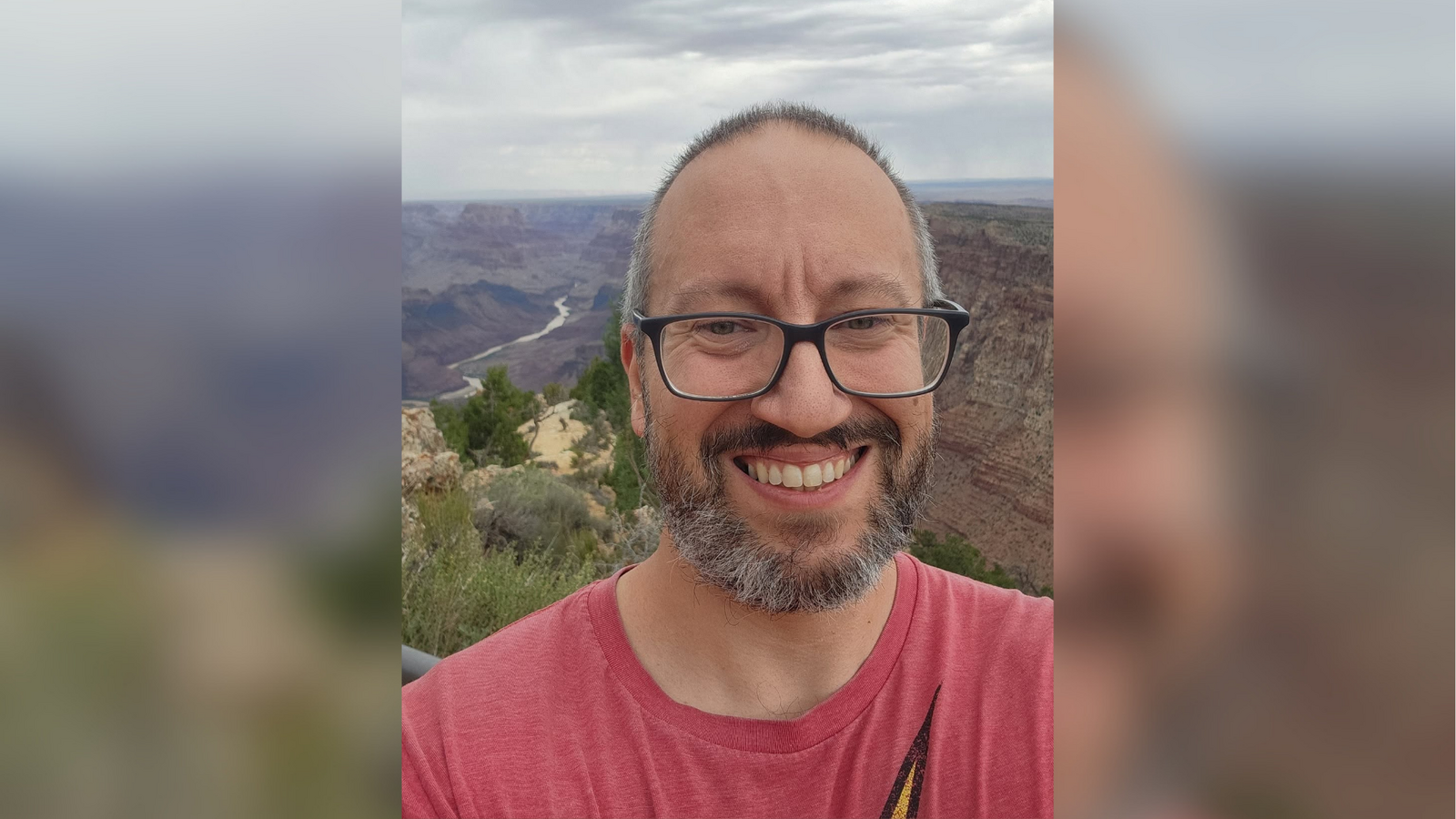
The two recovered victims were identified as John Giusti, a Texas chiropractor, and Brent Rosenkranz, a 42-year-old martial arts studio owner. A third friend, 53-year-old Wyoming pilot Timothy Smith, remains missing and is presumed to have perished in the flood.
All three men had ties to Granbury, Texas, and had embarked on what was meant to be a multi-day adventure of hiking, camping, fishing, and exploration. They spoke to their families last Thursday and established their campsite at the bottom of the Grand Canyon on Friday. They have not been heard from since.
Giusti’s family released a touching tribute describing the father of three as a “real-life superhero” , an avid runner, comic book enthusiast, and devoted healer whose greatest joy was his three daughters. His wife, Janet Giusti, shared an emotional remembrance: “To the community, he was a gifted healer. To his friends, a powerhouse of life. To his daughters, he was their ultimate hero. To me, he was my whole world.”
Park officials confirmed that one body was recovered Sunday evening near Crystal Rapids along the Colorado River, with a second body found later. The families expressed deep gratitude for the outpouring of support as they grieve their loss.
Why the Grand Canyon Is So Vulnerable to Flash Floods
The grand canyon flood didn’t develop in isolation. Several converging factors made the area particularly susceptible to catastrophic flooding:
- The canyon’s unique topography: The steep, rocky walls of the Grand Canyon act as natural funnels, concentrating runoff and accelerating water flow. What might be a manageable summer downpour in open terrain can become a violent, charging wall of water within the canyon’s narrow channels.
- Monoon season intensity: The Grand Canyon’s summer monsoon season creates unpredictable conditions where clear skies can transform into violent thunderstorms within minutes.
- The Dragon Bravo Fire scar: Rain also fell on a burn scar left by a lightning-caused wildfire that exploded in July 2025. The conflagration destroyed the historic Grand Canyon Lodge, several cabins, and other structures on the North Rim. Without vegetation to absorb runoff, water flows much more rapidly across barren burn-scarred terrain.
Hiker Daniel Evans, who was caught in the event, described the terror of watching the sky while packing his gear. “The entire time it was raining , the entire time I’m going through all this and packing , I’m just keeping my eyes upstream, just praying that a wall of water isn’t coming toward us,” he recounted. He compared the experience to recent catastrophic floods and landslides in Nepal.
The Climate Connection Behind the Catastrophe
Scientists are increasingly pointing to climate change as a driving force behind the intensifying flash flood grand canyon events. A. Park Williams, a hydroclimatologist at UCLA, explained that this year’s monsoon is especially severe due to elevated atmospheric water vapor , largely the result of a strong El Niño pattern warming parts of the Pacific Ocean.
“That extra water vapor in the Southwest U.S. gets wrung out in the storm in the form of rainfall,” Williams noted.
The data backs this up. Climate scientist Daniel Swain of the California Institute for Water Resources co-authored a recent study published in the journal Weather and Climate Extremes showing that short-term intense downpours across the Western United States have grown roughly 10% stronger since the year 2000. The connection between Arizona flooding and human-caused climate change, according to Swain, is “pretty strong.”
This trend suggests that the kind of catastrophic arizona flash flooding witnessed at the Grand Canyon may become more common rather than remaining an anomaly.
The Water Pipeline Crisis
Beyond the human tragedy, the grand canyon flood dealt a severe blow to the park’s critical infrastructure. The flash flood severely damaged the only water pipeline serving Grand Canyon National Park , an essential lifeline for both the 4.4 million annual visitors and the roughly 1,600 year-round residents of Grand Canyon Village.
Grand Canyon Deputy Superintendent Brian Drapeaux indicated that officials had not yet completed a full damage assessment, but preliminary estimates suggest approximately 40% of the pipeline sustained damage. As a result, park officials:
- Banned tourists from staying at lodges and hotels inside the park
- Issued emergency water restrictions for residents
- Confirmed that the South Rim’s large potable water storage tanks cannot be refilled while the pipeline remains out of service
The timing is particularly unfortunate. A $208 million rehabilitation project to modernize the pipeline and upgrade the water delivery system began in 2023, with completion originally expected next year. That timeline is now uncertain following the latest damage.
Looking Ahead: Safety and Preparedness
This disaster serves as a sobering reminder that even the most visited national parks carry inherent risks, especially during monsoon season. Visitors planning rim-to-rim hikes or overnight stays at the bottom of the canyon should:
- Monitor weather forecasts obsessively before and during any trip
- Register with the park’s permit system so rangers can account for everyone
- Understand that clear morning skies offer no guarantee of safe afternoon conditions
- Heed ranger warnings immediately and be prepared to evacuate at short notice
- Pack emergency supplies including communication devices and first aid kits
As recovery efforts continue and the investigation into the missing hiker progresses, the grand canyon flood stands as a tragic intersection of natural forces, aging infrastructure, and a changing climate. The lessons learned from this disaster will likely shape park policy, visitor safety protocols, and infrastructure resilience planning for years to come , but for the families of John Giusti, Brent Rosenkranz, and Timothy Smith, no policy change can undo the profound loss of a trip that was meant to be the adventure of a lifetime.