
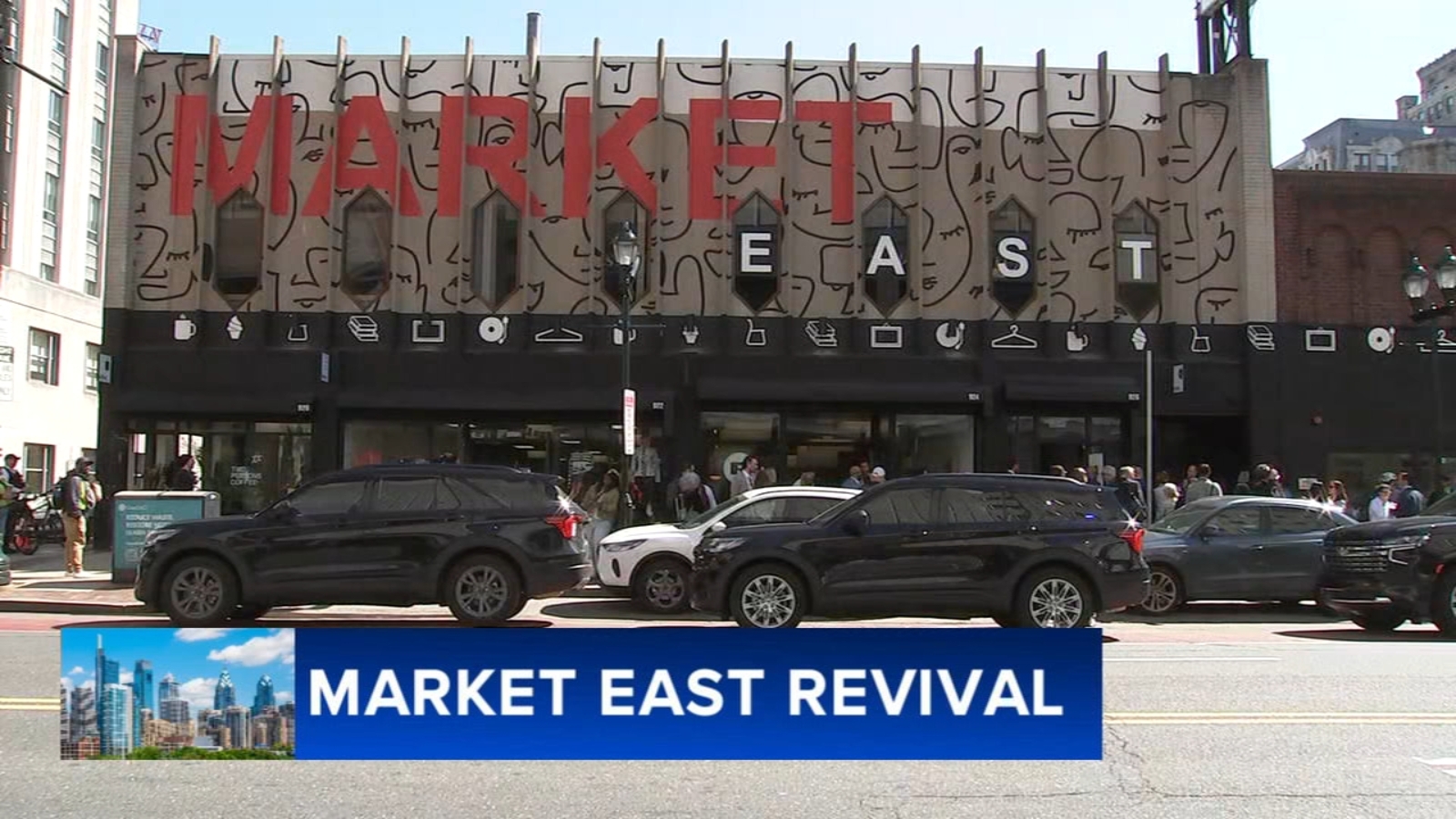
The heart of downtown Philadelphia is getting a long-awaited glow-up. This spring, the city launched a sweeping series of investments along the Market East corridor, signaling one of the most ambitious urban refresh efforts the area has seen in years. With hundreds of vacant storefronts, outdated infrastructure, and pedestrian flow that has struggled in the post-pandemic era, the city decided it was time to act.
On a sunny Thursday in May, Mayor Cherelle Parker led a walking tour down the 900 block of Market Street, flanked by city officials, business leaders, and arts advocates. Her message was clear: the market east revitalization is not just about cosmetic upgrades , it’s about restoring civic pride, energizing small business, and preparing Philadelphia for a once-in-a-generation moment on the national stage.
A Corridor Ready for a Comeback
For decades, the stretch of Market Street between City Hall and the Delaware River waterfront has served as a critical commercial artery. But in recent years, empty windows and shuttered storefronts became an all-too-familiar sight. City planners recognized that without bold intervention, the corridor risked falling permanently out of step with Philadelphia’s broader economic ambitions.
The current push represents a coordinated response. Rather than waiting for a single anchor tenant or developer, Philadelphia is taking a layered approach , combining small-business activation, public art, landscaping, and infrastructure repair to bring immediate, visible change.
“I hope that you can feel that Market East matters. I hope you can feel the momentum and you can feel the energy,” Parker told the gathered crowd during her walking tour.
The Numbers Behind the Investment
The headline figure is impressive: nearly $2 million is being directed into a multi-faceted beautification initiative along the corridor. That funding touches every layer of the streetscape, from paintbrushes to planters to power tools.
What’s Been Done So Far
- More than 6,500 square feet of walls and windows have been brightened by local artists through Mural Arts Philadelphia commissions.
- 42 new trees have been planted to soften the concrete environment and improve walkability.
- 176 light and banner poles have been repainted to restore visual cohesion along the corridor.
- 21 bus shelters have been refurbished and refreshed, improving both aesthetics and rider comfort.
“The city says lots of progress has been made, and these numbers reflect that,” noted Prema Gupta, CEO of the Center City District, the business improvement organization overseeing much of the street-level work.
Pop-Up Businesses Bring Empty Storefronts Back to Life
One of the most visible pieces of the market east revitalization is a curated rotation of pop-up businesses filling vacant storefronts along the 900 Block of Market Street. Six temporary tenants have been selected, each bringing a different flavor of local entrepreneurship to a stretch of windows that have sat dark for too long.
“These storefronts here on the 900 Block of Market Street are once again filled with life, entrepreneurship, music, art, conversation and community. This is what a revival looks like,” Parker said.
Why Pop-Ups Matter
Pop-ups aren’t just decorative. They serve several strategic purposes:
- They activate dead space. An occupied storefront draws foot traffic, deters crime, and signals to other businesses that the corridor is open for business.
- They test concepts. Pop-ups allow entrepreneurs to validate ideas with low overhead, and they allow the city and property owners to see what the market responds to.
- They build narrative momentum. Each successful pop-up becomes a story, drawing media attention and outside interest in the corridor.
For Philadelphia, the pop-up model is particularly well-suited to its downtown economy, where small, independent retailers are the cultural backbone. Supporting these businesses during the market east revitalization window helps ensure the corridor’s long-term identity remains local rather than generic.
Public Art as a Downtown Strategy
Philadelphia has long claimed the title of Mural Capital of the World, and the city is leaning into that identity as part of its downtown revival strategy. Mural Arts Philadelphia, the nonprofit organization founded by Jane Golden, is spearheading much of the artistic programming along the corridor.
Local Artists, Local Stories
The murals aren’t generic backdrops , they’re deeply tied to the city’s identity. “When Philadelphians walk along the street, they are going to feel the energy of a city reflected back at them because these works were created by artists who are from Philly,” said Golden.
This emphasis on local authorship matters. As cities across the country grapple with questions of authenticity and place-based identity, Philadelphia’s use of public art is functioning as both decoration and diplomacy , signaling to residents that the corridor belongs to them.
What Visitors Will See
Tourists and convention-goers passing through Market East can expect to encounter:
- Large-scale murals painted on building facades and sidewalk-level window installations.
- Integrated art pieces that incorporate lighting and landscaping.
- Rotating installations tied to seasonal events and major city celebrations.
Preparing for Major Upcoming Events
The timing of the market east revitalization is no coincidence. Philadelphia is gearing up to host two enormous international events in the coming years: America’s 250th birthday celebration and several World Cup matches as part of the 2026 FIFA tournament hosted across the United States, Canada, and Mexico.
Both events will draw hundreds of thousands of visitors into Center City, and city officials want the corridor to be a welcoming gateway, not a reluctant detour.
The Stakes Are High
Major events are a forcing function for infrastructure investment, but they’re also a test. Visitors who walk down Market Street will form lasting impressions of Philadelphia based on what they see. Clean facades, vibrant public art, and active storefronts all contribute to a sense of momentum and care.
For residents, the standard is even higher. They want the corridor to feel like theirs long after the tourists have gone home. That’s why the long-term planning around market east revitalization has emphasized sustainability, not just spectacle.
A Community-Built, Not Community-Built-For, Future
One of the most striking themes from the Mayor’s remarks was the emphasis on partnership. “From the very beginning, we understood that the future of Market East, it had to be built with the community and not for the community,” Parker said.
This distinction , building with rather than for , matters in urban planning circles. It signals a willingness to let residents shape decisions, not simply react to them. The pop-up business model, the local artist commissions, and the streetscape improvements all flow from this philosophy.
What Comes Next for Market East
While the spring refresh has delivered immediate results, planners say this is only the opening chapter. Future phases of market east revitalization are expected to focus on:
- Long-term tenant recruitment to convert pop-up spaces into permanent leases.
- Expanded pedestrian improvements, including wider sidewalks and improved crosswalks.
- Transit integration, with bus shelter upgrades and clearer connections to Jefferson Station and SEPTA lines.
- Programming and activation, from night markets to outdoor concerts along the corridor.
The Center City District has been a key convener, working with property owners, the city, and business associations to coordinate the roll-out. Gupta and her team have positioned the organization as a pragmatic partner , one that can move quickly on details while keeping an eye on the bigger strategic picture.
Why This Effort Matters Beyond Philadelphia
The market east revitalization is being watched closely by other mid-sized American cities grappling with similar downtown challenges. The combination of small-business activation, deep public investment in arts, and event-driven urgency offers a possible template for places trying to re-energize post-pandemic cores.
What makes Philadelphia’s approach distinctive is its willingness to lean into identity rather than reinvent from scratch. The murals, the local entrepreneurs, the historic architecture , these were already here. The revitalization is about removing what’s been blocking visibility and energy, not replacing something with a generic new vision.
Conclusion
The market east revitalization unfolding across Center City is more than a streetscape project. It’s a statement of intent from a city that wants its commercial core to reflect the energy, diversity, and creativity Philadelphians already bring to their neighborhoods every day. With nearly $2 million invested, dozens of trees planted, hundreds of poles repainted, and thousands of square feet of new public art, the corridor is finally moving in a direction residents can see and feel.
Whether you’re a small business owner considering a downtown lease, a visitor planning a trip around the America’s 250th celebrations, or a Philadelphian watching your city tackle one of its longest-running commercial puzzles, this is a moment worth paying attention to. The work is just beginning, but the momentum is real , and the corridor is starting to look like the city it always deserved to be.