
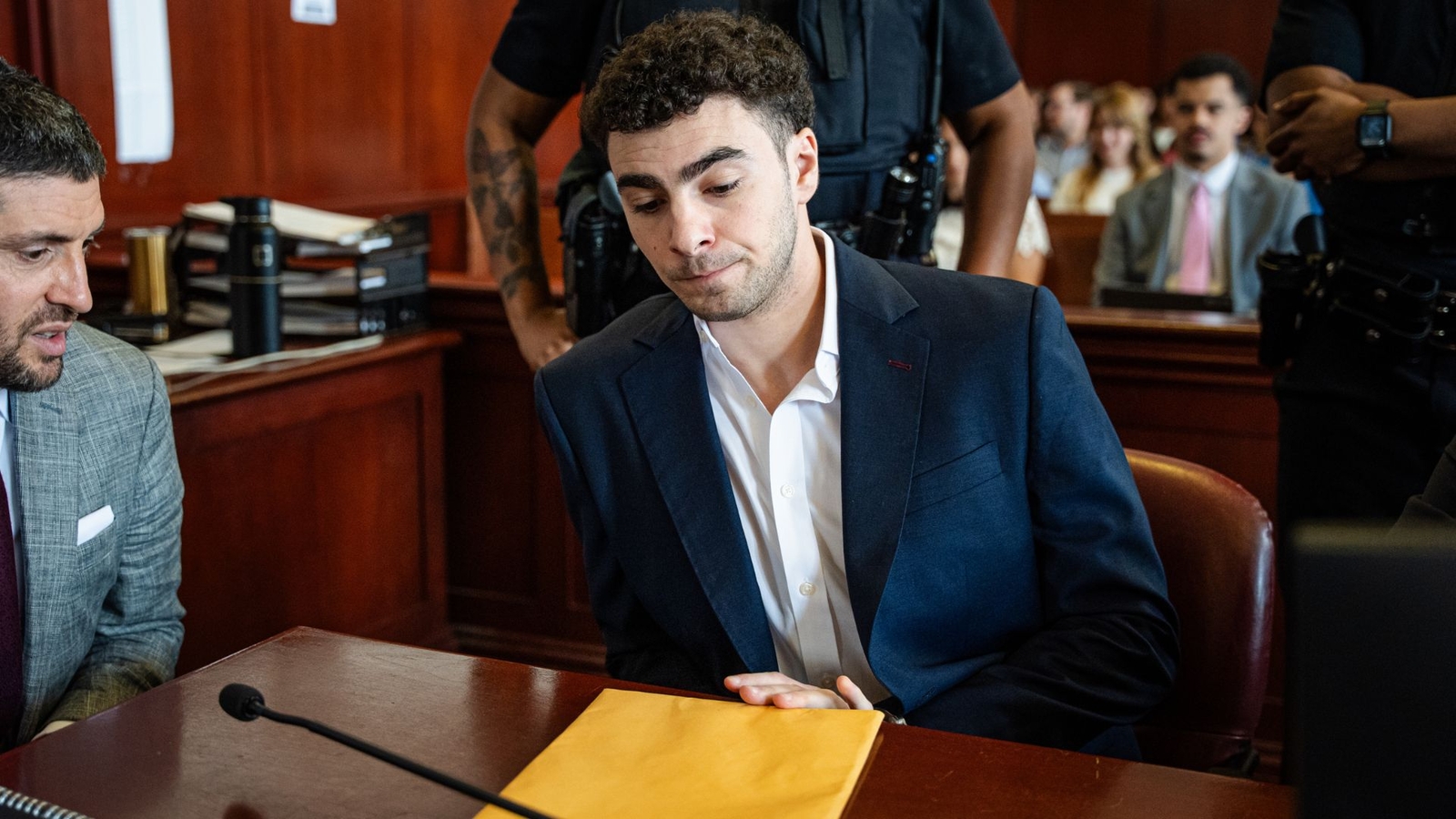
The Luigi Mangione plea deal discussions have become one of the most closely watched legal developments of the year, with new revelations emerging about back-channel negotiations between his defense team and federal prosecutors in Manhattan. According to sources familiar with the sensitive talks, both sides explored the possibility of a guilty plea before conversations stalled, leaving the high-profile case barreling toward a federal jury trial.
Background: The Case That Gripped the Nation
To understand why these plea negotiations matter, it’s worth revisiting how the case unfolded. In December 2024, UnitedHealthcare CEO Brian Thompson was fatally shot on a Midtown Manhattan street in a brazen daytime attack that sent shockwaves through the corporate world. Within days, authorities arrested Luigi Mangione, who was subsequently charged in both state and federal court systems.
The dual-track prosecution strategy is itself unusual. State charges were filed in New York, while federal prosecutors in the Southern District of New York brought their own case, reflecting the severity of the allegations and the interstate nature of the underlying conduct. Mangione pleaded not guilty on both fronts, setting the stage for what could become one of the most consequential criminal trials in recent memory.
Why the Federal Case Is Different
Federal charges typically carry harsher sentencing guidelines than their state counterparts, and prosecutors in U.S. District Court have access to broader investigative resources. For the defense team, this creates powerful incentives to explore any negotiated resolution that might limit exposure. For the government, securing a guilty plea avoids the unpredictability of a jury trial in a case that has generated unprecedented public interest.
The Plea Talks: What We Know and What We Don’t
ABC News reported on Thursday that defense attorneys for Luigi Mangione and federal prosecutors engaged in preliminary discussions about a potential guilty plea ahead of a scheduled hearing. Sources indicated that while both sides communicated, it remains unclear how close the negotiations came to a formal agreement before they ceased.
The lack of clarity is itself telling. In federal criminal practice, plea discussions often happen in fits and starts. Defense lawyers may float terms, prosecutors may counter with their own positions, and either side can walk away at any point without prejudice. The fact that talks “stopped” doesn’t necessarily mean they ended permanently , defendants retain the right to change their plea at virtually any stage of proceedings, including mid-trial.
The Timing Behind the Headlines
These negotiations surface at a critical juncture. Mangione’s state trial is scheduled to begin on September 8, while his federal trial is set for sometime in 2026. Monday’s hearing before U.S. District Judge Margaret Garnett was expected to focus on logistical matters, including jury selection procedures and the parties’ proposed juror questionnaires.
In a joint letter to the court, both sides indicated they would be prepared to address any questions the judge might have and to discuss scheduling concerns. On its face, this appears to be routine pretrial housekeeping. But in the context of ongoing plea negotiations, even mundane filings take on added significance.
The Defense Fires Back: “A Troubling, Deliberate Pattern”
Perhaps the most striking element of the latest reporting is the forceful response from Mangione’s lead attorney, Karen Friedman Agnifilo. She did not mince words, characterizing the leak of plea negotiation details as part of a “troubling, deliberate pattern by prosecutors and law enforcement to prejudice Luigi, manipulate public opinion, and violate his constitutional right to a fair trial and impartial jury.”
This is a serious accusation. Attorney-client communications and plea discussions are typically confidential, and high-profile cases can be especially vulnerable to prejudicial pretrial publicity. Friedman Agnifilo’s statement also highlights the unique burden her client faces , what she characterizes as having to “fight the same charges twice” in two separate court systems.
The Double Jeopardy Question
Under longstanding Supreme Court precedent, separate sovereigns (state and federal governments) can each prosecute a defendant for the same underlying conduct without violating double jeopardy protections. This legal doctrine is precisely what allows Mangione to face parallel proceedings. But as his attorney correctly notes, the practical effect is that her client endures the stress, expense, and reputational damage of two trials rather than one.
For defense attorneys weighing the strategic calculus, this dual-track structure often makes federal plea negotiations particularly important. A favorable resolution at the federal level can dramatically alter the dynamics of any subsequent state proceedings, and vice versa.
The Silence From Prosecutors
A spokesperson for the U.S. Attorney’s Office for the Southern District of New York declined to comment on the status of plea negotiations. This reticence is standard practice. Federal prosecutors almost never confirm or deny the existence of ongoing plea discussions, in part to preserve flexibility and in part to avoid signaling weakness to the defense.
Mangione’s legal team also declined to comment on the substance of the talks. While Friedman Agnifilo’s statement addressed the broader issue of pretrial publicity, she stopped short of confirming or denying the existence of negotiations , a careful choice that preserves strategic options going forward.
What’s Next on the Calendar
The near-term legal calendar is dense. Monday’s conference before Judge Garnett will address jury questionnaires and scheduling. Given the massive public interest in this case, jury selection will be a Herculean undertaking. Finding twelve impartial jurors in New York City for a defendant whose face has been on every major news outlet will require extensive voir dire and likely a specially crafted questionnaire to identify potential bias.
Beyond jury selection, several pretrial motions remain unresolved. Expect defense filings challenging various aspects of the prosecution’s evidence, potential motions to suppress, and continued battles over what information can be presented at trial.
Why This Case Matters Beyond the Headlines
The Luigi Mangione case sits at the intersection of several powerful currents in American criminal justice. It raises questions about:
- Pretrial publicity , How can a defendant receive a fair trial when national media coverage is saturated with details, speculation, and commentary?
- Prosecutorial discretion , When is it appropriate to bring federal charges alongside state charges for the same conduct?
- Plea bargaining in high-profile cases , Do public pressures distort the negotiation process, either pushing prosecutors to seek harsher outcomes or defendants to accept unfavorable deals?
- Victim impact , How does the family of Brian Thompson weigh in on any potential resolution?
Conclusion: A Case Far From Resolution
The reported Luigi Mangione plea deal discussions underscore how fluid even the most public criminal cases can be. Negotiations can begin, stall, and resume multiple times before a defendant ever sees the inside of a courtroom. What we know for certain is this: both sides are actively engaged in strategic positioning, and the outcome , whether resolved by plea or by jury verdict , will reverberate through legal circles for years to come.
As the September 8 state trial date approaches and federal proceedings continue into next year, the public should expect more revelations, more denials, and more legal maneuvering. The presumption of innocence remains the foundation of the American justice system, and regardless of how one feels about the underlying allegations, every defendant , including Mangione , is entitled to that protection. The coming months will test whether that principle can withstand the pressures of a case that has captured the nation’s attention like few others in recent memory.
For now, all eyes turn to Monday’s hearing, where the next chapter of this unfolding legal drama will begin to take shape.