
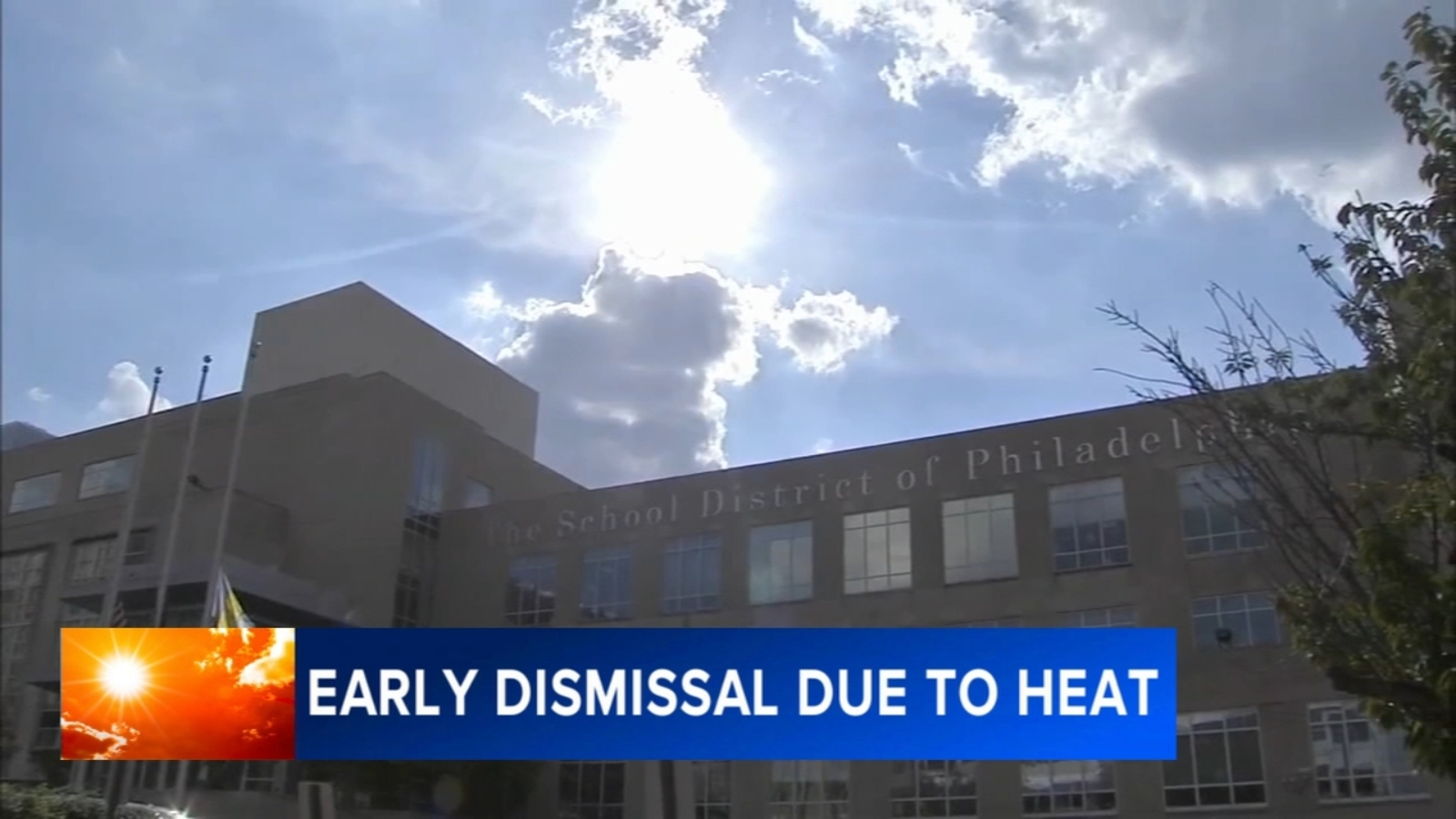
Fifty-two schools across Philadelphia are set to dismiss students early on Tuesday as the city braces for soaring temperatures expected to climb toward 90 degrees. The Philadelphia schools early dismissal heat decision has caught families off guard, disrupted carefully planned academic calendars, and reignited urgent conversations about the state of cooling infrastructure in aging district buildings. Parents, teachers, and administrators alike are grappling with the ripple effects of this sudden schedule shift.
Below is a comprehensive look at what’s happening, why it matters, and what the district plans to do about it.
Why Are Philadelphia Schools Dismissing Early?
The School District of Philadelphia announced Monday that in-person afterschool activities would be canceled and students would be sent home early on Tuesday. Early childhood programs housed within the affected buildings will follow the same shortened schedule.
The decision stems from a familiar and frustrating reality: dozens of school buildings in the district still lack adequate cooling systems. While the district has made meaningful progress in recent years to ensure classrooms are properly ventilated and temperature-controlled, a significant number of facilities remain unequipped to handle extreme heat safely.
When indoor temperatures rise to unsafe levels, learning becomes nearly impossible. Concentration drops, health concerns escalate, and the risk of heat-related illness increases , particularly for younger children. Early dismissal is, in many cases, the only responsible option when air conditioning simply isn’t available.
The Heat Wave Factor
Tuesday’s forecast calls for temperatures near 90 degrees, with humidity making conditions feel even more oppressive. For school buildings without central air conditioning, those conditions translate into stifling classrooms where students and staff struggle to focus, stay hydrated, and remain safe throughout the day.
The Impact on Parents and Working Families
For many parents, the abrupt notification creates immediate logistical headaches. Working professionals who rely on school hours to align with their own job schedules suddenly face hours of unplanned time with their children at home.
One Philadelphia parent captured the sentiment shared by countless families across the city. Working schedules rarely align with school bell times under the best of circumstances, and the sudden loss of half a school day introduces real financial and emotional strain.
Child care arrangements must be reshuffled on short notice. Babysitters need to be contacted. Shift changes have to be requested. For single parents and households without flexible employment, the disruption can feel overwhelming.
Voices From the Community
Despite the inconvenience, not all parents view the early dismissal negatively. Some residents recognize that learning in dangerously hot classrooms isn’t a viable alternative.
“It would be hard for them to learn in the heat, so I understand the early dismissal,” said Marcia McFadden of Mount Airy. However, she made clear that understanding the decision doesn’t eliminate frustration with the underlying cause.
McFadden emphasized that the district should prioritize installing proper air conditioning in every school so children can receive the full education they’re entitled to each day.
A mother from Fairmount echoed that frustration, noting that in this day and age, it’s disappointing for schools to shut down simply because they lack central air or adequate cooling systems. Her words reflect a broader sentiment: modern infrastructure should be a baseline expectation, not a luxury.
Teachers and Educators Feel the Disruption Too
Students aren’t the only ones affected by sudden schedule changes. Arthur Steinberg, president of the Philadelphia Federation of Teachers, explained that educators invest significant time crafting lesson plans and pacing guides for the week ahead. When a heat-related early dismissal is announced, that carefully constructed rhythm is instantly upended.
Steinberg highlighted the practical challenge: lesson plans designed for the week, a clear game plan for instruction, and then everything gets thrown off course in an instant. For teachers juggling multiple classes and grade levels, the scramble to adjust is real and immediate.
More importantly, Steinberg pointed directly to the root cause , chronic underfunding of Philadelphia’s public schools. He argued passionately that the district should focus on fixing schools rather than repeatedly closing them, suggesting that sustained investment would prevent these recurring disruptions in the future.
A Deeper Look at the Infrastructure Problem
The early dismissal announcement isn’t an isolated event. It’s a symptom of long-standing infrastructure challenges that have plagued the School District of Philadelphia for decades. Many of the city’s school facilities date back generations, and while renovations have occurred over the years, comprehensive modernization has been uneven.
The district acknowledged that while significant progress has been made toward ensuring schools are adequately cooled, numerous buildings still suffer from inadequate cooling systems. This gap between partial progress and complete coverage is precisely where the problem lives.
From Quick Fixes to Long-Term Strategy
In a statement, district officials explained that their approach to building repairs has evolved. Rather than focusing solely on immediate, isolated renovations, the district has shifted toward broader, long-term projects planned over the next ten years.
This strategic pivot aims to address systemic issues rather than apply temporary Band-Aids. However, critics argue that a decade-long timeline leaves thousands of children learning in uncomfortable or unsafe conditions in the meantime. Parents and educators continue to push for faster action.
Full List of 52 Philadelphia Schools Affected
Parents and guardians seeking to confirm whether their child’s school is among those dismissing early can review the complete list below:
- AMY Northwest
- Bache-Martin*
- Blaine, James*
- Building 21
- Catharine, Joseph*
- Comegys, B.
- Comly, Watson
- Cooke, J.
- Crossan, Kennedy
- Disston, Hamilton**
- Dunbar, Paul**
- Emlen, Eleanor*
- Fell, D Newlin
- Fox Chase
- Franklin, Ben HS
- Girard, Stephen
- Harding, Warren
- Henry, Charles
- Hill-Freedman
- Hopkinson, Francis
- Houston, Henry
- Howe, Julia
- Jenks, Abram
- Jenks, John S
- Lamberton*
- Lingelbach, Anna
- Loesche*
- Ludlow, James
- McCloskey, John
- McClure, A.*(**)
- McMichael, M.*
- Mitchell, Weir
- Moore, J. Hampton
- MYA
- Olney Elementary
- Overbrook ES
- Parkway West
- Patterson, John*
- Rhawnhurst*
- Rowen, William
- Roxborough HS
- Sayre, William
- Sharswood, George*
- Sheppard, Issac
- South Phila. HS*
- Spring Garden
- Spruance, Gilbert*
- Sullivan, James
- Tilden, William**
- The U School
- Wagner, Gen. Louis
- Washington, Martha
(*) Schools have PreK/Head Start on-site.
(**) Schools are ED/EY schools.
The Bigger Picture: School Funding in Philadelphia
This early dismissal event places a fresh spotlight on the chronic underfunding issue that has shadowed Philadelphia public schools for years. Teachers, parents, and community advocates have long argued that the district’s aging buildings require sustained, substantial investment to meet modern standards.
The district’s ten-year infrastructure plan represents one path forward, but questions remain about funding sources, timeline accountability, and whether interim measures will be sufficient to protect students during hot weather in the coming months.
What Parents Can Do
Families affected by the early dismissal have several options to consider:
- Check official communications , Monitor emails, robocalls, and the district’s official website for updates and revised schedules.
- Plan alternative child care , Arrange coverage with family members, neighbors, or licensed providers as far in advance as possible.
- Advocate for infrastructure funding , Reach out to local representatives and school board members to express support for accelerated cooling system installations.
- Stay informed about future closures , Heat-related dismissals may continue throughout warmer months if temperatures remain elevated.
Conclusion
The Philadelphia schools early dismissal heat announcement affecting 52 schools serves as both a practical safety measure and a stark reminder of unresolved infrastructure challenges within the district. While keeping students safe from extreme heat is the immediate priority, the recurring nature of these closures points to deeper issues that demand sustained attention and investment.
Parents deserve predictable schedules. Teachers deserve classrooms that support effective instruction. Students deserve learning environments that don’t force them to choose between education and comfort during hot weather. Until every Philadelphia school is equipped with reliable cooling systems, these early dismissals will remain an unfortunate reality , one that the district, city leaders, and community stakeholders must address together with urgency and commitment.