
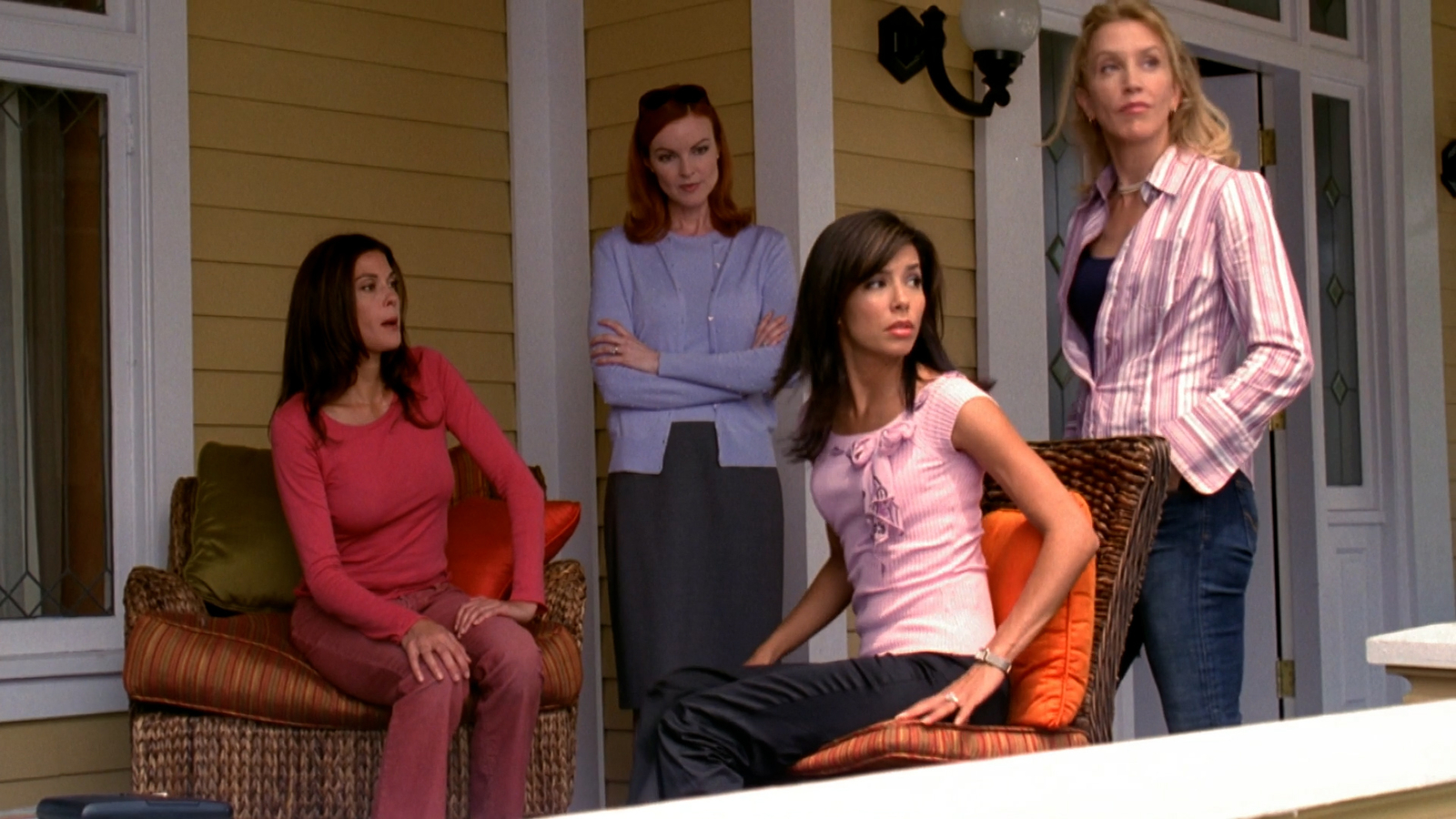
When Desperate Housewives first premiered on ABC in October 2004, few could have predicted the seismic impact it would have on popular culture. What began as a clever blend of domestic comedy, melodrama, and murder mystery evolved into one of the most talked-about primetime dramas of its era, launching careers, dominating ratings, and forever changing the landscape of network television. Nearly two decades after its debut, the show continues to captivate audiences, proving that some stories have a remarkable ability to transcend time.
The Birth of a Television Phenomenon
The story of Desperate Housewives begins with creator Marc Cherry, a seasoned television writer who had previously worked on shows like The Golden Girls and Touched by an Angel. Cherry conceived the idea after reading about a real-life murder case involving a housewife, which sparked the concept of a suburban neighborhood where dark secrets lurked beneath manicured lawns.
Marc Cherry’s Bold Vision
Cherry has openly reflected on how the original title carried a provocative punch that simply didn’t exist elsewhere on television. At the time, no other program carried “Housewives” in its name, and that distinctive branding helped Desperate Housewives stand out instantly. The week it premiered, the show shot straight to the number one spot in the country, capturing enormous attention from both viewers and critics alike.
What made Cherry’s approach so revolutionary was his refusal to conform to a single genre. Instead of choosing between comedy, drama, or mystery, he blended all three into a uniquely addictive formula. This tonal experimentation would go on to influence countless shows that followed.
The Cast That Became Global Superstars
Few television ensembles have achieved the level of stardom that the cast of Desperate Housewives enjoyed. The show served as a launching pad for international fame, transforming its principal actresses into household names across the globe.
- Teri Hatcher portrayed Susan Mayer, the lovable, accident-prone divorcée whose romantic misadventures provided much of the show’s emotional heart.
- Eva Longoria played Gabrielle Solis, the glamorous former model whose complicated marriage became one of television’s most-watched storylines.
- Felicity Huffman embodied Lynette Scavo, the overwhelmed mother who traded corporate success for the chaos of raising four children.
- Marcia Cross brought Bree Van de Kamp to life, the perfectionist homemaker whose buttoned-up exterior concealed deeply complicated inner turmoil.
- Brenda Strong narrated the series as Mary Alice Young, whose mysterious suicide opened the show’s very first scene.
Each of these performers brought depth, vulnerability, and humor to their roles, creating characters that viewers couldn’t help but obsess over. Their chemistry, both on and off screen, helped turn Desperate Housewives into a cultural touchstone of the mid-2000s.
The Magic of Wisteria Lane
Beyond its stars, the show’s true star was arguably its setting: the fictional Wisteria Lane. This seemingly idyllic cul-de-sac became one of the most recognizable locations in television history. With its pastel-colored homes, white picket fences, and meticulously manicured gardens, Wisteria Lane represented the idealized American suburb , a façade that the show gleefully tore apart episode after episode.
The set itself was constructed on a Universal Studios soundstage, designed with painstaking attention to architectural detail. Cast members have shared countless stories of how stepping onto that street felt like entering another world. Max Carver, who played the young Preston Scavo, once recalled that his very first moment on camera involved running through the front door of the Scavo home , a memory that still brings him pride more than two decades later.
Finding the Right Tone
According to Steven Culp, who portrayed Rex Van de Kamp, the early days of production involved a delicate balancing act. The cast and crew worked hard to nail down the show’s distinctive mixture of comedy, drama, and mystery , a combination that simply wasn’t being done anywhere else on television at the time. Once they found it, the energy on set was electric. That breakthrough in tone is part of what made the show feel so fresh and continues to influence prestige television today.
Awards and Critical Recognition
The acclaim that Desperate Housewives received throughout its eight-season run was nothing short of remarkable. The series accumulated an impressive 38 Primetime Emmy Award nominations, ultimately taking home seven trophies. These wins spanned categories including Outstanding Lead Actress, Outstanding Directing, and Outstanding Casting, reflecting the show’s broad excellence across multiple disciplines.
The Golden Globes also embraced the series, particularly recognizing the performances of its leading ladies. This consistent critical recognition helped cement the show’s status as prestige television during an era when cable dramas were beginning to dominate the awards circuit.
A New Generation Discovers Desperate Housewives
Perhaps the most fascinating chapter in the Desperate Housewives story is the one currently being written. Thanks to streaming platforms, a brand-new audience is discovering the series for the first time. With all eight seasons now available on Hulu and Hulu on Disney+, the show is reaching viewers who weren’t even born when it originally aired.
This streaming resurgence has sparked renewed conversations about the show’s themes, which feel surprisingly relevant to contemporary audiences. Issues like domestic dissatisfaction, gender expectations, infidelity, racial identity, and the pressures of suburban life continue to resonate with viewers navigating their own complex realities.
For original fans, this second wave of popularity offers a nostalgic reunion with beloved characters. For new viewers, it provides an opportunity to experience a show that helped define an entire decade of television. Either way, the verdict has been consistent: Desperate Housewives still works.
The Lasting Legacy of Desperate Housewives
The cultural footprint of Desperate Housewives extends far beyond its original broadcast run. It paved the way for a wave of female-centered ensemble dramas and helped prove that audiences would eagerly embrace complex, flawed, multi-dimensional women as leads. Shows that followed, from Big Little Lies to Why Women Kill, owe a clear debt to the template Cherry and his team established.
The show also helped redefine what network television could achieve. At a time when premium cable was beginning to poach prestige content, Desperate Housewives demonstrated that broadcast networks could still deliver sophisticated, genre-bending storytelling. It remains a high-water mark for ABC primetime programming and a benchmark for serialized drama on broadcast television.
Marc Cherry has expressed immense pride in the show’s enduring impact, noting that the lasting connection with fans is one of the most rewarding aspects of the entire experience. For the cast, knowing that their work continues to entertain and inspire new generations brings a deep sense of accomplishment.
Why the Show Endures
Several factors contribute to the timeless appeal of Desperate Housewives:
- Universal themes , The struggles with marriage, motherhood, identity, and ambition never go out of style.
- Memorable characters , Each lead is brilliantly written and performed, creating personalities that linger in viewers’ minds.
- Sharp writing , The dialogue crackles with wit, warmth, and unexpected emotional depth.
- Genre-blending storytelling , The fusion of mystery, comedy, and drama keeps audiences engaged in ways pure genre shows cannot.
- Iconic setting , Wisteria Lane has become as recognizable as any real-world television location.
Conclusion
From its record-breaking premiere in 2004 to its current streaming revival, Desperate Housewives has proven itself to be far more than a fleeting pop culture moment. It is a masterclass in character-driven storytelling, a benchmark for network television ambition, and a cultural artifact that continues to resonate with audiences around the world. Whether you’re revisiting Wisteria Lane for the hundredth time or stepping onto that famous street for the very first time, the magic of Desperate Housewives remains as potent as ever. In an era of endless content, that kind of staying power is the ultimate testament to a show’s greatness.