
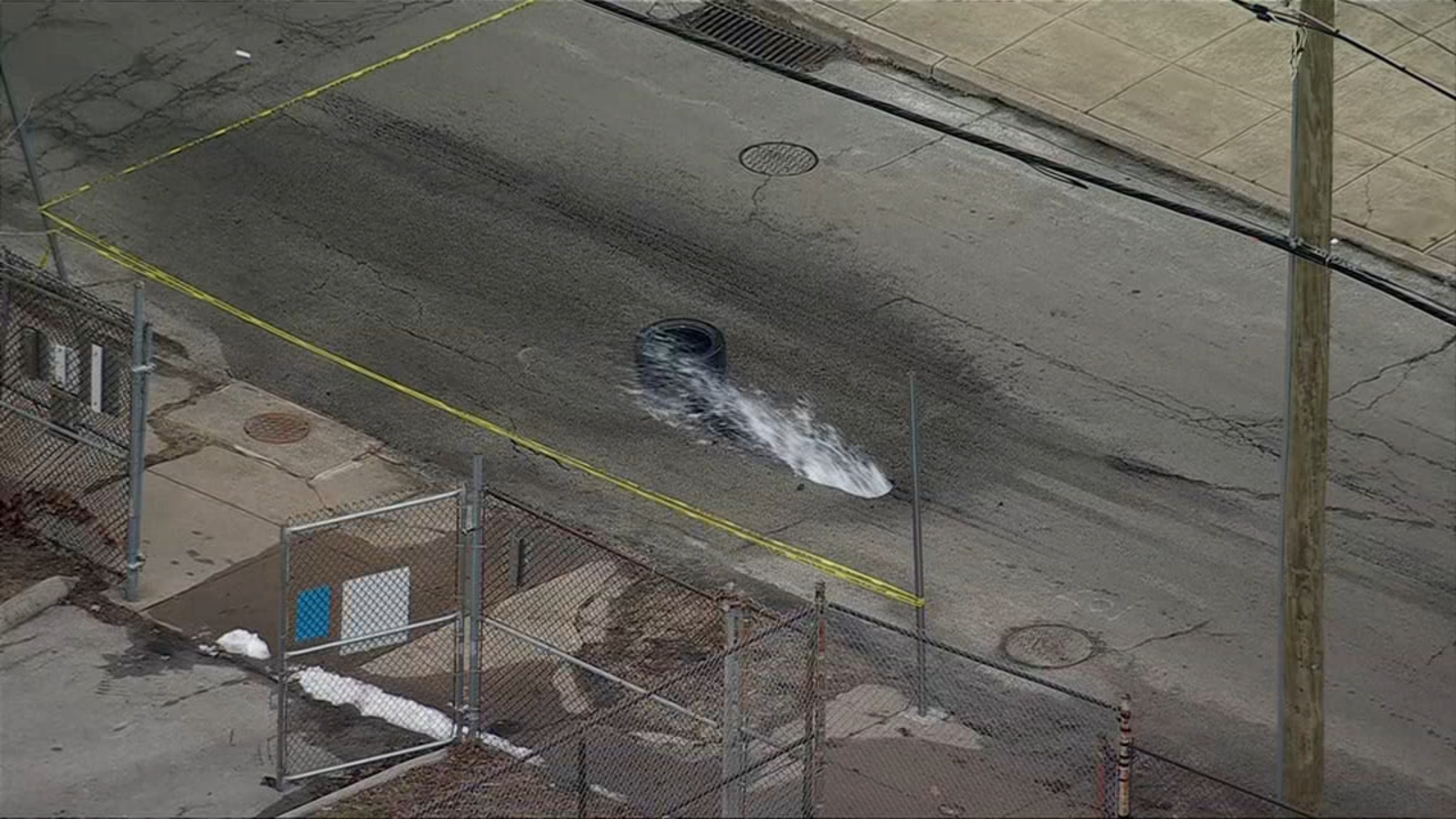
A sudden water main break sent water shooting into the air along a busy North Philadelphia roadway on Thursday, forcing the immediate closure of a section of 8th Street and disrupting daily routines for nearby residents. The incident, which occurred on the 800 block of North 8th Street near the East Poplar Playground, is the latest reminder of the aging infrastructure challenges facing many American cities , and the ripple effect a single ruptured pipe can have on an entire neighborhood.
Eyewitnesses reported seeing water forcefully erupting from the roadway, prompting city crews to rush to the scene and shut down traffic between Brown Street and Poplar Street. While no injuries were reported, the event left residents, commuters, and local businesses grappling with unexpected closures and uncertainty about when normal service would be restored.
What Happened at the Scene
The water main break sent a dramatic plume of water several feet into the air, a spectacle that drew the attention of passersby and quickly generated buzz across social media. Philadelphia Water Department crews were dispatched promptly to assess the damage and contain the situation.
Emergency responders cordoned off the affected area, redirecting traffic away from the 800 block of 8th Street. The closure of 8th Street between Brown Street and Poplar Street remained in effect as utility workers worked to isolate the broken section of pipe and begin the repair process. The Philadelphia Water Department typically mobilizes within minutes of receiving such reports, given the urgency of minimizing water loss and preventing further damage to nearby roadways and properties.
Although initial reports did not specify the exact size of the pipe or the full extent of the disruption, the visual evidence made it clear that this was not a minor leak. Breaks of this nature can release hundreds , sometimes thousands , of gallons of water per minute, depending on the pipe’s diameter and water pressure.
Understanding Water Main Breaks
A water main break is more than just a plumbing problem. These events occur when underground pipes carrying treated water to homes, businesses, and hydrants fail due to structural weakness, external pressure, corrosion, or environmental factors. The pipes that make up a city’s water distribution network often lie buried several feet below the surface, where they are subject to constant stress from soil movement, temperature changes, and the natural wear of aging materials.
Common Causes
Several factors typically contribute to a Philadelphia water main break or similar incidents in other cities:
- Aging infrastructure: Many water systems in the United States were installed decades ago, with some pipes dating back a century or more. Over time, materials such as cast iron deteriorate.
- Soil corrosion: The surrounding soil can chemically react with metal pipes, gradually thinning their walls until they fail.
- Temperature fluctuations: Especially in colder climates, the freeze-thaw cycle can cause ground shifting that stresses pipes.
- Ground movement: Vibrations from heavy traffic, nearby construction, or even minor seismic activity can damage vulnerable sections.
- High water pressure: Excessive internal pressure can overwhelm weakened pipes, particularly during peak usage hours.
Why They Happen Without Warning
Most homeowners and drivers have no advance notice that a pipe beneath their street is approaching failure. Underground water mains often show no surface symptoms until the moment they rupture, at which point water typically surfaces through cracks in the pavement or soil above the break. This is what eyewitnesses observed along North 8th Street , water shooting upward through the roadway itself.
Impact on North Philadelphia Residents
The most immediate consequence of this water main break was the road closure. Traffic disruption in a densely populated urban area affects far more than just drivers. Emergency vehicle routes may be altered, deliveries to local businesses can be delayed, and pedestrian access is often restricted for safety reasons.
Residents in the immediate vicinity may also experience:
- Reduced water pressure in their homes as crews divert flow to isolate the damaged section
- Temporary loss of water service while repairs are underway
- Discolored water once service is restored, due to sediment disturbance in nearby lines
- Boil-water advisories in some cases, particularly if contamination is a concern
- Property damage from flooding if water reaches basements, sidewalks, or nearby structures
The Philadelphia Water Department typically notifies affected customers directly through alerts and updates posted on their official website and social media channels. Residents are advised to check these resources regularly during and after such incidents.
How the City Responds to a Water Main Break
Municipal water authorities follow a standardized protocol when responding to a water main break. The process usually unfolds in several distinct stages, each designed to contain damage, restore service, and prevent future failures.
Stage 1: Isolation
Crews identify and close the nearest valves to stop water from flowing into the broken section. This is the most urgent task, since uncontrolled water flow can cause sinkholes, flooding, and significant property damage.
Stage 2: Assessment
Once the flow is controlled, engineers and utility technicians inspect the damage. They determine the pipe’s material, diameter, age, and the cause of failure. This information informs both the immediate repair strategy and any longer-term infrastructure improvements.
Stage 3: Excavation and Repair
Crews dig down to the broken pipe, remove the damaged section, and install a replacement. Depending on the situation, this may involve traditional dig-and-replace methods or trenchless techniques that minimize surface disruption.
Stage 4: Restoration
After the pipe is repaired and pressure tested, service is gradually restored. Pavement, sidewalks, and landscaping that were disturbed during excavation are typically repaved and restored by the responsible utility or municipal department.
Safety Tips for Residents Near a Water Main Break
If you live or work near a water main break, taking a few simple precautions can protect your health and property.
- Avoid the area. Stay clear of the break site, especially if water is actively flowing. Underground erosion may have created sinkholes or unstable surfaces.
- Do not drive through standing water. It may be deeper than it appears, and submerged hazards can damage vehicles or cause accidents.
- Limit water usage. Until service is fully restored, avoid running dishwashers, washing machines, or taking long showers to preserve pressure for emergency needs.
- Check for advisories. Listen for official notifications regarding boil-water precautions, especially if you have young children, elderly family members, or immunocompromised individuals at home.
- Flush your lines. After service returns, run cold water through faucets for several minutes to clear any sediment that may have settled in your pipes.
- Document any damage. If water enters your basement or property, photograph the damage and contact both your insurer and the water utility to file a report.
The Bigger Picture: Philadelphia’s Infrastructure Challenge
Like many older American cities, Philadelphia faces a long-term challenge with its underground infrastructure. The Philadelphia Water Department serves more than 1.7 million people across the city and surrounding counties, maintaining an extensive network of water mains, some of which are well past their expected service life.
Reports from the American Society of Civil Engineers have repeatedly highlighted the deteriorating state of water infrastructure across the United States, with billions of dollars in upgrades needed nationwide. Water main breaks are not unusual events in this context , they are symptoms of a system that requires sustained, long-term investment.
Fortunately, the city has been working on modernization initiatives, including pipe replacement programs, leak detection technology, and proactive maintenance to reduce the frequency of sudden failures. But progress is gradual, and events like the one at North 8th Street serve as a public reminder of why these investments matter.
What Drivers Should Know
Anyone traveling through North Philadelphia during the closure period should plan ahead. Use alternate routes such as 7th Street or 9th Street to bypass the affected section. Allow extra travel time, especially during morning and evening commutes. Public transit riders should check SEPTA service alerts to see if any bus routes are detoured around the closure area.
Local law enforcement often assists with traffic control during significant infrastructure emergencies, so drivers can expect to see posted detours and may want to follow the guidance of officers directing traffic.
Community Response and Looking Ahead
The community around the East Poplar Playground and the 800 block of North 8th Street is a tight-knit residential area where neighbors look out for one another. When a water main break of this nature occurs, neighbors frequently share updates through word of mouth, social media groups, and community organizations. This kind of informal communication network often helps residents stay informed even before official channels provide full updates.
Repair timelines vary based on the severity of the break, weather conditions, and the complexity of the underground environment. Small leaks may be patched within hours, while larger breaks involving major trunk lines can take several days to fully repair and restore the roadway above.
Conclusion
The water main break on North 8th Street is a small headline that reflects a much larger story. It illustrates how vulnerable urban infrastructure can be, how quickly everyday life can be disrupted, and how essential the work of municipal water departments truly is. For residents directly affected, the priority is staying safe, staying informed, and following guidance from the Philadelphia Water Department until full service is restored.
For the broader community and city leaders, each break is also a reminder of the ongoing need to invest in replacing and modernizing the pipes beneath our feet , before the next rupture turns an ordinary Thursday into an emergency. As crews work to repair the line and reopen 8th Street between Brown Street and Poplar Street, Philadelphians can take some comfort in knowing that dedicated professionals are responding swiftly to restore a vital public service.