
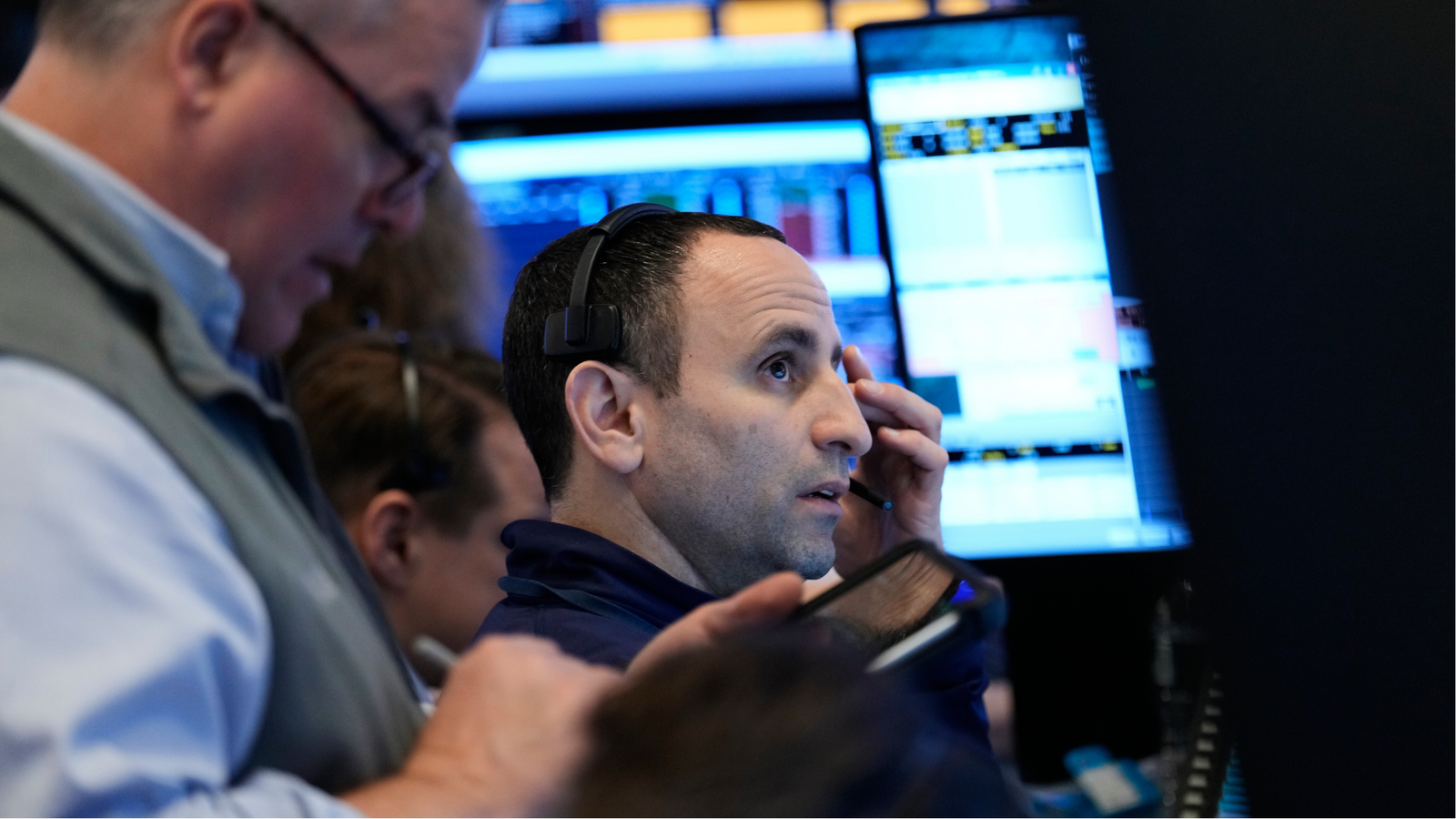
A dramatic stock market selloff gripped Wall Street on Thursday, sending the Dow Jones Industrial Average tumbling 785 points amid escalating fears of a prolonged conflict with Iran. The broad-based decline erased gains from the previous session and highlighted just how vulnerable investor sentiment remains to geopolitical shocks in the energy-rich Middle East.
By the closing bell, the Dow had shed 1.61%, while the S&P 500 slipped 0.57% and the tech-heavy Nasdaq edged down 0.26%. The losses reflected growing anxiety that the weekend’s U.S.-Israeli military operation against Iran could spiral into a broader regional war , one capable of disrupting the global energy supply and reigniting inflationary pressures across the American economy.
Wall Street Reacts to Escalating Tensions
Thursday’s selling pressure wiped out the brief relief rally investors had enjoyed just one day earlier. Markets had initially responded with optimism to news of diplomatic negotiations, but that optimism evaporated quickly as reports emerged of renewed hostilities and mounting tensions around critical shipping lanes.
The sudden shift in investor sentiment underscores how fragile market confidence has become in an era of geopolitical uncertainty. When war clouds gather, capital tends to flow toward perceived safe havens , and away from equities exposed to commodity-driven costs and consumer-driven revenue streams alike.
What Drove Thursday’s Decline
Three interlocking fears combined to produce the latest stock market selloff:
- Military escalation concerns , Investors worry that direct U.S. involvement could draw the country into a sustained Middle East conflict.
- Energy supply disruption , Fears of a blockade at the Strait of Hormuz threaten to choke off roughly one-fifth of global oil trade.
- Rekindled inflation worries , Rising energy prices feed directly into consumer costs, raising the prospect that the Federal Reserve’s battle against inflation could suffer a setback.
Oil Prices Surge as Strait of Hormuz Anxiety Mounts
Crude oil markets served as the most visible barometer of rising geopolitical risk on Thursday. U.S. benchmark crude prices punched above $79 per barrel, marking their highest level since June and signaling that traders are pricing in genuine supply-side risks.
The focal point of these concerns is the Strait of Hormuz, the narrow maritime chokepoint between Iran and Oman through which approximately 20% of the world’s traded oil flows every day. Even a temporary closure or sustained harassment of tankers transiting the waterway could send shockwaves through global energy markets, lifting prices not just for gasoline and diesel but also for the countless goods that depend on fuel-intensive transportation networks.
The Ripple Effect on Consumer Prices
American drivers felt the impact almost immediately. According to AAA data, the national average price for regular gasoline climbed to $3.25 per gallon, representing a jump of nearly 9% compared to just one week earlier. That kind of week-over-week spike has a real and measurable effect on household budgets, particularly for lower- and middle-income families who spend a larger share of their income on transportation.
Beyond the gas pump, rising diesel costs threaten to push up prices for:
- Groceries and other goods shipped via long-haul trucking
- Air travel and shipping
- Manufacturing inputs ranging from plastics to fertilizers
- Home heating fuel in regions dependent on oil-fired boilers
Treasury Yields Climb as Investors Reassess Risk
Another telling signal emerged from the bond market on Thursday. U.S. Treasury yields rose across the curve, reflecting both inflation expectations and the broader unease coursing through financial markets. Because bonds pay a fixed coupon to investors each year, any acceleration in inflation effectively erodes the real purchasing power of those interest payments.
When inflation expectations rise, bonds become less attractive , a dynamic that forces yields higher in order to lure buyers back into the market. The move we witnessed Thursday was a textbook example of this mechanism in action.
“Bond markets don’t lie. When yields climb during a geopolitical crisis, the message is clear: investors see inflation risk on the horizon and want to be compensated for it.”
The Inflation Implications
This matters enormously for ordinary Americans. Higher Treasury yields translate, eventually, into:
- More expensive mortgage rates
- Increased borrowing costs for small businesses and corporations
- Higher credit card interest rates and auto loan rates
- Greater strain on federal budget deficits
If the Iran war drags on or expands, energy-driven inflation could reignite at exactly the moment the Federal Reserve has been working to bring price stability back to the U.S. economy.
The Trump Administration’s Maritime Insurance Gambit
Markets did manage to recover some composure late in the trading session after President Donald Trump took to social media to announce aggressive measures aimed at protecting the free flow of global commerce. The President ordered the federal government to provide “political risk insurance and guarantees for the Financial Security of ALL Maritime Trade.”
Perhaps more consequentially, the President declared that the U.S. Navy would begin escorting oil tankers through the Strait of Hormuz as soon as possible. In one stroke, the administration attempted to demonstrate that the American government would not allow hostile actors to hold the global energy supply hostage.
The market reaction suggests investors found at least temporary comfort in this show of resolve. However, underlying tensions in the waterway persisted throughout the day, and analysts caution that verbal reassurance will need to be backed by sustained military and diplomatic action if oil prices are to stabilize.
What Comes Next for Markets and the Economy?
The trajectory of the stock market selloff from here depends on a handful of critical variables that remain very much in flux. Chief among them:
1. Military Developments on the Ground
Any expansion of combat operations , particularly a strike on Iranian oil infrastructure or a direct attack on U.S. forces in the region , could trigger another wave of selling. Conversely, signs of de-escalation would likely produce a relief rally, particularly in energy-sensitive sectors like airlines and consumer discretionary stocks.
2. Strait of Hormuz Security
The success or failure of the announced naval escort mission will be closely watched. If tankers can transit the waterway safely and reliably, the geopolitical risk premium currently baked into oil prices should ease. If incidents continue, expect another leg higher in crude.
3. Federal Reserve Policy
With inflation expectations once again rising, the Fed faces a delicate balancing act. Cutting interest rates too quickly could fan the flames of price acceleration, while holding rates steady could deepen any economic slowdown triggered by the geopolitical shock. Markets will be parsing every word from Fed officials for signals.
4. Corporate Earnings Impact
Q3 earnings season is right around the corner, and companies across a wide range of industries will need to update guidance to reflect higher input costs. Expect energy producers to benefit while transportation, retail, and consumer goods companies brace for margin pressure.
Conclusion: Navigating Uncertainty in a Volatile Moment
Thursday’s 785-point drop in the Dow served as a stark reminder that market volatility remains elevated and that geopolitical risk has once again taken its place near the top of every investor’s worry list. The combination of soaring oil prices, climbing Treasury yields, and persistent uncertainty surrounding the Iran war creates the kind of environment where even well-diversified portfolios can take meaningful hits.
For long-term investors, the playbook remains familiar , stay diversified, avoid panic-selling during headline-driven declines, and keep an eye on the underlying fundamentals of the businesses you own. For policymakers, the challenge is far more complex: balance the imperative of national security with the need to maintain stable energy markets and a healthy economy. And for everyday Americans filling up their tanks or shopping for groceries, the latest stock market selloff is yet another reminder that events half a world away can ripple directly into household budgets. Until the geopolitical picture clarifies, expect more turbulence ahead.