
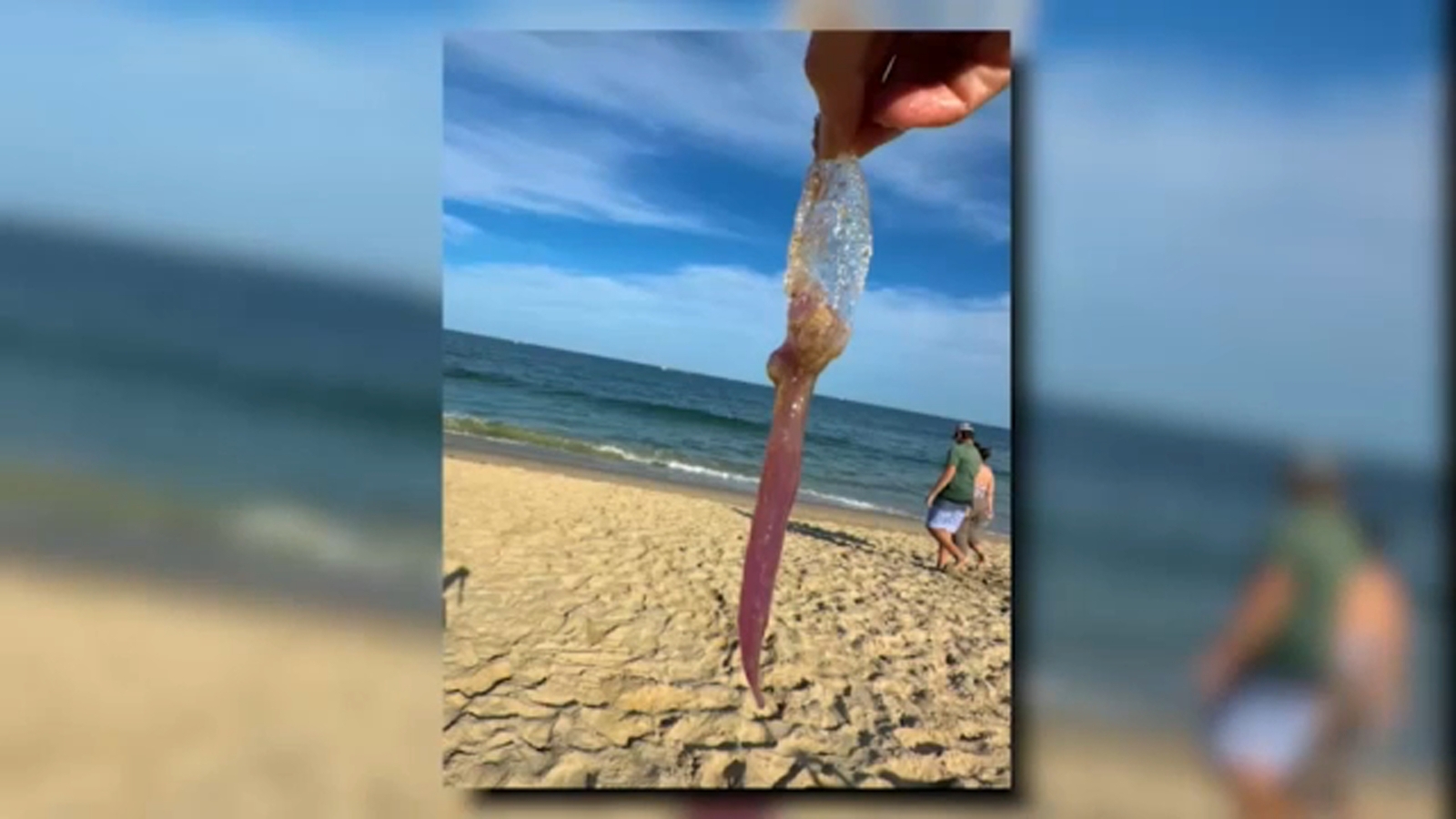
If you’re planning a beach trip to the Jersey Shore this summer, there’s a colorful but unwelcome visitor you should know about. The purple meanie jellyfish, also known as the mauve stinger, has been spotted along New Jersey and Delaware coastlines, leaving a trail of painful stings in its wake. Recent reports from Manasquan and other beaches have swimmers on high alert, with children among those affected over recent weekends.
This jellyfish species is no stranger to Atlantic beaches, however, encounters close to shore are becoming more common. Understanding what you’re dealing with can help you stay safe and enjoy your time at the beach without unnecessary worry.
What Exactly Is the Purple Meanie Jellyfish?
The purple meanie jellyfish (Pelagia noctiluca) is a small but mighty cnidarian that gets its nickname from both its distinctive purple-to-mauve coloring and the intensity of its venom. Unlike some of its larger, more transparent relatives, this species is compact and vibrant, making it relatively easy to identify when you see one in the water.
Physical Characteristics
Purple meanies are relatively small jellyfish, typically measuring between 3 and 12 centimeters in diameter. Their bell-shaped bodies display a striking purple, pink, or mauve hue, often with darker spots scattered across the surface. What makes them particularly fascinating,and intimidating,is that they are bioluminescent, meaning they can produce their own light. This characteristic gives them the scientific name “noctiluca,” which translates to “night light.”
Their bodies are covered with wart-like clusters of stinging cells called nematocysts, which are present not only on their tentacles but also on the bell and mouth arms. This widespread distribution of stinging cells makes them particularly dangerous to touch, even on parts of the body that might seem safe.
Where They Live
The purple meanie jellyfish is found in tropical and subtropical waters across the globe, including the Atlantic, Pacific, and Indian Oceans, as well as the Mediterranean Sea. Along the U.S. East Coast, they are native to these waters but typically remain well offshore in deeper waters, making encounters with swimmers relatively uncommon,until recently.
Why Are Purple Meanies Showing Up at the Jersey Shore?
Officials have confirmed that the species is native to the waters off the New Jersey and Delaware coasts. However, they usually stay far enough offshore that beachgoers rarely encounter them. When they do drift closer to shore, it’s typically due to ocean currents, wind patterns, and water temperature shifts that push them into nearshore areas.
Several factors may be contributing to increased sightings this season:
- Ocean currents that push offshore populations toward the coastline
- Wind direction and tides that can carry jellies and their fragments into swimming areas
- Water temperature changes associated with broader climate patterns
- Bloom events, where populations naturally surge and spread across wider areas
Even when a purple meanie jellyfish isn’t directly visible in the water, fragments of their tentacles can drift through swimming areas. These invisible pieces still contain active nematocysts that can deliver painful stings, which is part of why swimmers are being warned even when they can’t see the culprits.
What Happens When a Purple Meanie Stings You?
The sting of a purple meanie is notoriously painful and can produce a variety of reactions in humans. Reports from affected swimmers describe the experience as intensely burning, with aftereffects that can last considerably longer than the initial contact.
Common Symptoms
Most people who come into contact with purple meanie tentacles experience the following symptoms:
- Immediate burning pain at the site of contact
- Redness and swelling that can develop within minutes
- Raised welts or rash that, according to some reports, looks remarkably similar to a poison ivy rash
- Itching and irritation that can persist for days after the initial sting
- Muscle cramps in severe cases
More Severe Reactions
While most stings are uncomfortable rather than dangerous, certain groups face more serious risks. People with allergies to jellyfish venom can experience anaphylactic reactions, including difficulty breathing, swelling of the face or throat, and rapid heartbeat. Anyone experiencing these symptoms should seek emergency medical attention immediately. Children, the elderly, and individuals with compromised immune systems may also experience more severe reactions and should be monitored closely after a sting.
What to Do If You Get Stung
Knowing how to respond to a purple meanie jellyfish sting can significantly reduce your discomfort and help prevent complications. Here’s a step-by-step guide to handling an encounter with this ocean pest:
- Get out of the water safely to avoid further stings and assess the situation.
- Rinse the affected area with seawater, not freshwater. Freshwater can cause any remaining nematocysts to fire, worsening the sting.
- Remove any visible tentacles using tweezers or the edge of a credit card. Avoid using your bare hands, as you may transfer stinging cells to your palms and fingers.
- Apply vinegar or a baking soda paste to neutralize the venom. Vinegar is widely recommended by medical professionals for many jellyfish stings, though research on its effectiveness with purple meanies specifically is limited.
- Take an over-the-counter pain reliever such as ibuprofen to manage pain and reduce inflammation.
- Apply hydrocortisone cream or calamine lotion to soothe itching and reduce skin irritation.
- Seek medical attention if you experience severe pain, allergic reactions, or symptoms that worsen over time.
One important thing to avoid: do not rub the affected area with sand or a towel. This can cause any remaining nematocysts to fire and release more venom into your skin, intensifying the sting.
How to Protect Yourself at the Beach
Prevention is always better than treatment when it comes to jellyfish stings. While you can’t completely eliminate the risk of an encounter, you can take several precautions to reduce your chances of being stung by a purple meanie jellyfish.
Before You Go In
- Check local beach reports for jellyfish sightings and warnings before heading to the shore.
- Talk to lifeguards about current conditions and whether jellyfish have been spotted that day.
- Look at the water before wading in. If you can see jellyfish in the shallows, choose a different spot to swim.
While You’re Swimming
- Wear protective swimwear such as a wetsuit or rash guard, especially in areas where purple meanies have been reported.
- Avoid swimming near groups of seaweed or debris, as jellyfish often drift with these natural rafts.
- Stay in designated swimming areas where lifeguards can respond quickly if something goes wrong.
If You Have Children
Children are particularly vulnerable to jellyfish stings because they tend to play in shallow water where jellies can become trapped. Keep a close eye on kids at the beach, teach them to avoid touching anything unusual in the water, and consider having a basic first-aid kit on hand that includes vinegar and tweezers.
The Bigger Picture: Jellyfish Populations and Climate
The increased presence of purple meanie jellyfish along the Jersey Shore is part of a larger pattern that marine biologists have been observing in oceans worldwide. Jellyfish populations appear to be on the rise in many regions, a phenomenon attributed to several factors including ocean warming, pollution, overfishing of jellyfish predators, and changes in coastal ecosystems.
While individual bloom events are natural and have always occurred, the frequency and intensity of these events may be changing. For beachgoers, this means that staying informed about local marine conditions is more important than ever.
Local Response and Beach Safety Measures
Beach communities along the Jersey Shore and Delaware coast are taking the purple meanie situation seriously. Officials are monitoring conditions closely and posting warnings when sightings are confirmed. Lifeguards are trained to recognize jellyfish-related incidents and respond appropriately.
If you’re planning a beach trip to affected areas, check with local authorities, beach patrols, and tourism websites for current conditions. Many beaches provide real-time updates through social media and dedicated beach safety hotlines, making it easier than ever to stay informed before you arrive.
Final Thoughts
The purple meanie jellyfish may be small, but its sting packs a serious punch. As these vibrant creatures continue to drift closer to shore along the Jersey Shore and Delaware coast, swimmers need to know what they’re dealing with and how to respond if an encounter occurs. By staying informed, taking basic precautions, and knowing how to treat a sting, you can still enjoy everything these beautiful beaches have to offer. Keep an eye on local reports, respect the ocean, and don’t let a tiny purple pest keep you from making the most of your summer at the shore.