
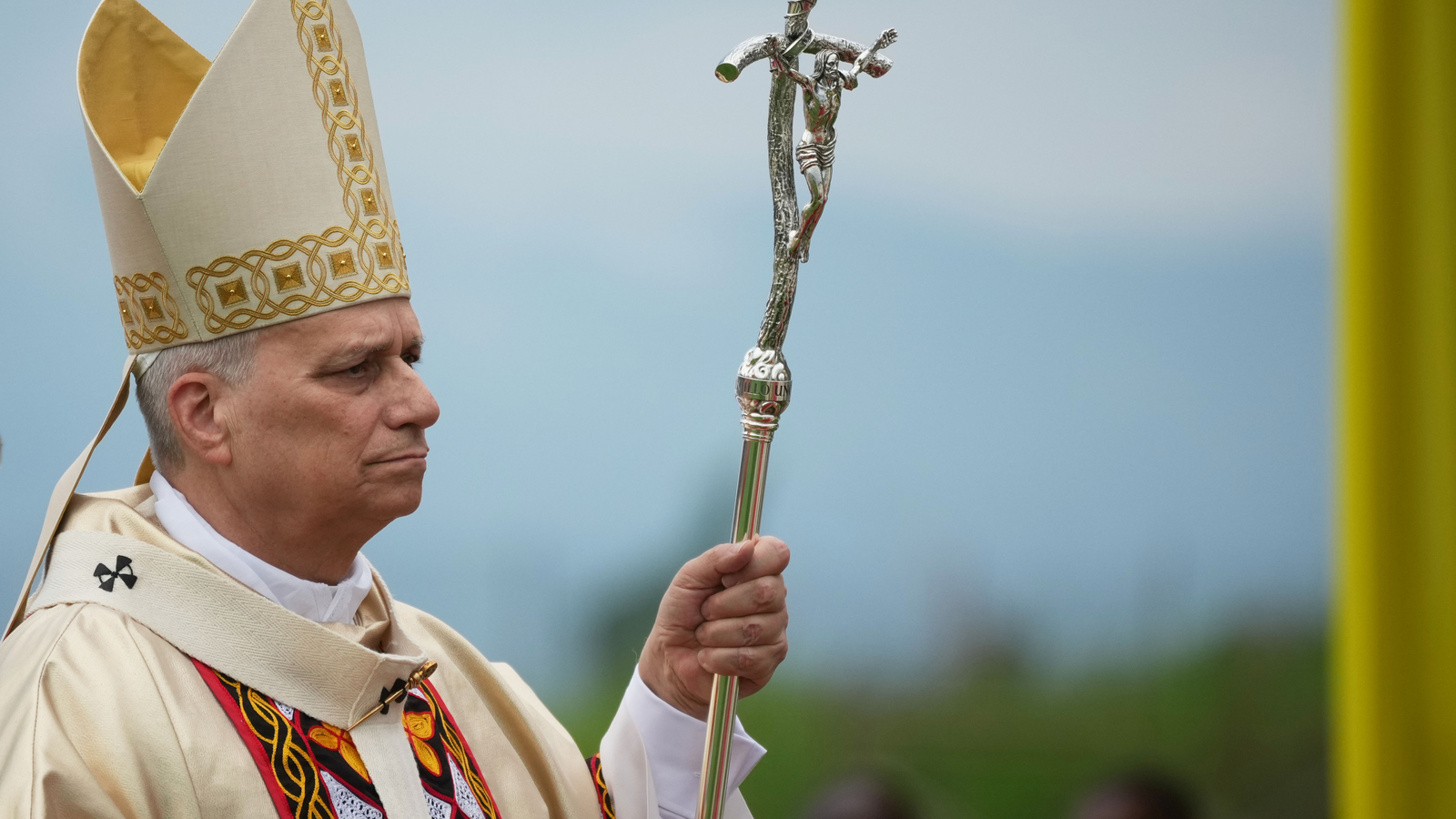
In a powerful demonstration of papal diplomacy reaching some of the world’s most overlooked conflict zones, Pope Leo XIV Cameroon visit to the western city of Bamenda marked a historic moment for a region often described as home to one of the planet’s most neglected crises. The pontiff delivered searing remarks condemning what he called “a handful of tyrants” who continue to ravage Earth through war and exploitation, while simultaneously shining an international spotlight on the devastating Anglophone separatist conflict that has traumatized Cameroon’s Northwest and Southwest regions for nearly a decade.
The atmosphere in Bamenda was electric as jubilant crowds lined the streets, blowing horns and dancing in celebration. For residents of this beleaguered city, the arrival of a pope represented far more than a religious event,it was recognition that their suffering had finally been acknowledged on the world stage.
A Message of Peace in the Heart of Conflict
Pope Leo XIV presided over a remarkable interfaith peace meeting that brought together a Mankon traditional chief, a Presbyterian moderator, an imam, and a Catholic nun. This gathering was deliberately designed to highlight the collaborative interfaith movement that has been working tirelessly to end the violence and care for its countless victims.
Warning Against the Weaponization of Faith
Inside the historic St. Joseph Cathedral, on land generously donated by the Mankon community, the pope delivered some of his most pointed remarks. He praised the local peace movement while issuing a stern warning about the dangerous intersection of religion and conflict,a theme he has consistently emphasized amid escalating global tensions, including the U.S.-Israeli war in Iran and the religious justifications offered by various officials for military action.
- “Blessed are the peacemakers!” he proclaimed
- “But woe to those who manipulate religion and the very name of God for their own military, economic and political gain, dragging that which is sacred into darkness and filth.”
His call for a “decisive change of course” away from conflict and exploitation resonated deeply with a population that has endured years of violence. The pope’s stirring declaration that “the world is being ravaged by a handful of tyrants, yet it is held together by a multitude of supportive brothers and sisters” captured both the gravity of global injustices and the resilience of ordinary people striving for peace.
Bamenda as “The City on the Hill”
In a moment of profound symbolic weight, Pope Leo XIV declared Bamenda a model for the rest of the world. “Bamenda, today you are the city on the hill, resplendent in the eyes of all!” he announced in English,a phrase often associated with American exceptionalism but here repurposed to honor a community that has clung to hope despite immense suffering. The separatist fighters had reportedly announced a three-day pause in hostilities to allow the pope safe passage to the area, though it remained unclear whether any fighters actually attended the events.
Understanding Cameroon’s Anglophone Crisis
To grasp the significance of this papal visit, one must understand the deep historical roots of the conflict. Cameroon’s division traces back to its colonial history, when the territory was split between France and Britain following World War I. English-speaking regions later joined French Cameroon in a 1961 U.N.-backed referendum, but many English-speaking Cameroonians have long complained of political and economic marginalization by the Francophone majority.
The Human Toll of Nearly a Decade of War
In 2017, English-speaking separatists launched a rebellion with the stated goal of establishing an independent state. According to the International Crisis Group, the consequences have been catastrophic:
- More than 6,000 people killed
- Over 600,000 people displaced from their homes
- Entire generations of children denied consistent access to education
- Communities torn apart by violence between separatist fighters and government forces
Condemning Foreign Exploitation of African Resources
During his afternoon Mass before an estimated 20,000 people gathered at Bamenda’s airfield, Pope Leo XIV expanded his critique beyond Cameroon’s internal struggles. The crowd erupted in celebration as he looped around them in his covered popemobile, but his message addressed serious structural injustices afflicting the entire African continent.
He pointed to the “moral, social and political corruption” that stifles Cameroon’s development, then added a powerful condemnation of external forces: “Added to these internal problems of conflict and corruption is the damage caused from outside, by those who, in the name of profit, continue to lay their hands on the African continent to exploit and plunder it.”
Echoing Pope Francis’s “Hands Off Africa”
This message deliberately echoed the words of the late Pope Francis, who during his 2023 visit to Congo had thundered “Hands off Africa!” against foreign interests plundering the continent. Pope Leo XIV’s continued use of this rallying cry signals an institutional commitment within the Vatican to addressing economic exploitation alongside spiritual matters.
The Resource Curse in Cameroon
Cameroon sits atop significant reserves of oil, natural gas, cobalt, bauxite, iron ore, gold, and diamonds, making resource extraction a cornerstone of its economy. However, this natural wealth has not translated into prosperity for ordinary citizens. While French and English companies have historically dominated extraction industries, Chinese companies have established a significant presence in recent years, particularly in the gold mining regions of eastern Cameroon.
The papal visit also exposed the troubling international dimensions of the conflict. In December, a federal jury in the United States convicted two individuals for conspiracy to provide funds and equipment to separatist fighters. Belgian authorities announced in March that they had arrested four people suspected of being separatist leaders operating from Belgium. These revelations suggest the conflict has evolved into a transnational struggle with global financial backing.
The Cycle of Exploitation and Violence
Pope Leo XIV articulated this devastating pattern with prophetic clarity: “Those who rob your land of its resources generally invest much of the profit in weapons, thus perpetuating an endless cycle of destabilization and death. It is a world turned upside down, an exploitation of God’s creation that must be denounced and rejected by every honest conscience.”
Voices from the Ground: Skepticism and Hope
Despite the celebrations and emotional outpouring, not everyone was convinced that the papal visit would translate into meaningful change. Morine Ngum, a 30-year-old mother of three whose husband was shot dead in 2022 by Cameroonian soldiers while fighting as a separatist, expressed the weary skepticism of those who have suffered most.
“Nothing is going to change,” she said. “This conflict has turned my children into orphans and me into a widow. Many families have been rendered homeless.” For Ngum and countless others, any real progress must begin with those wielding actual power.
The Archbishop’s Heartfelt Plea
Archbishop Andrew Nkea Fuanya of Bamenda delivered a deeply emotional testimony to the pope, describing how local communities had suffered from “a situation they did not create”,losing livelihoods, homes, and access to education. His words captured the anguish of an entire region: “Most Holy Father, today that your feet are standing on the soil of Bamenda that has drunk the blood of many of our children.”
The Right Reverend Fonki Samuel Forba, emeritus moderator of the Presbyterian Church in Cameroon, noted that the Vatican had joined other faith groups in attempting to bring separatists to the negotiating table with the government, including meeting with their supporters abroad. He invoked a powerful African proverb: “When two elephants fight, it is the grass that suffers.”
The Long Road Ahead
While the number of deadly attacks by separatists has decreased in recent years, the underlying conflict shows no signs of resolution. Peace talks facilitated by international mediators have stalled, with both sides accusing each other of negotiating in bad faith. Cameroon’s government, led by President Paul Biya, has been accused of shunning genuine dialogue with separatist leaders.
The Pope Leo XIV Cameroon visit represented something crucial, however: even if immediate political breakthroughs remained elusive, the global attention brought to this crisis cannot be easily dismissed. By declaring Bamenda “the city on the hill,” the pope elevated a forgotten conflict into international consciousness, forcing the world to confront the human cost of Cameroon’s struggle and the broader patterns of exploitation that fuel conflicts across Africa.
Conclusion: A Papal Witness to Suffering and Hope
The historic papal visit to Bamenda will be remembered as a watershed moment for a region too long ignored by the international community. Pope Leo XIV’s condemnation of tyrants, his warnings against the weaponization of religion, and his fierce criticism of foreign exploitation of African resources all carried powerful weight in a place where such words directly intersect with lived reality. While the path to lasting peace remains uncertain, the pope’s presence affirmed that the people of Cameroon’s Anglophone regions are not forgotten. As the pontiff powerfully reminded the faithful gathered in Bamenda, the world’s tyrants may dominate headlines, but it is the multitude of “supportive brothers and sisters” who ultimately hold the world together,and who will, perhaps, hold the key to a more peaceful future for this long-suffering land.