
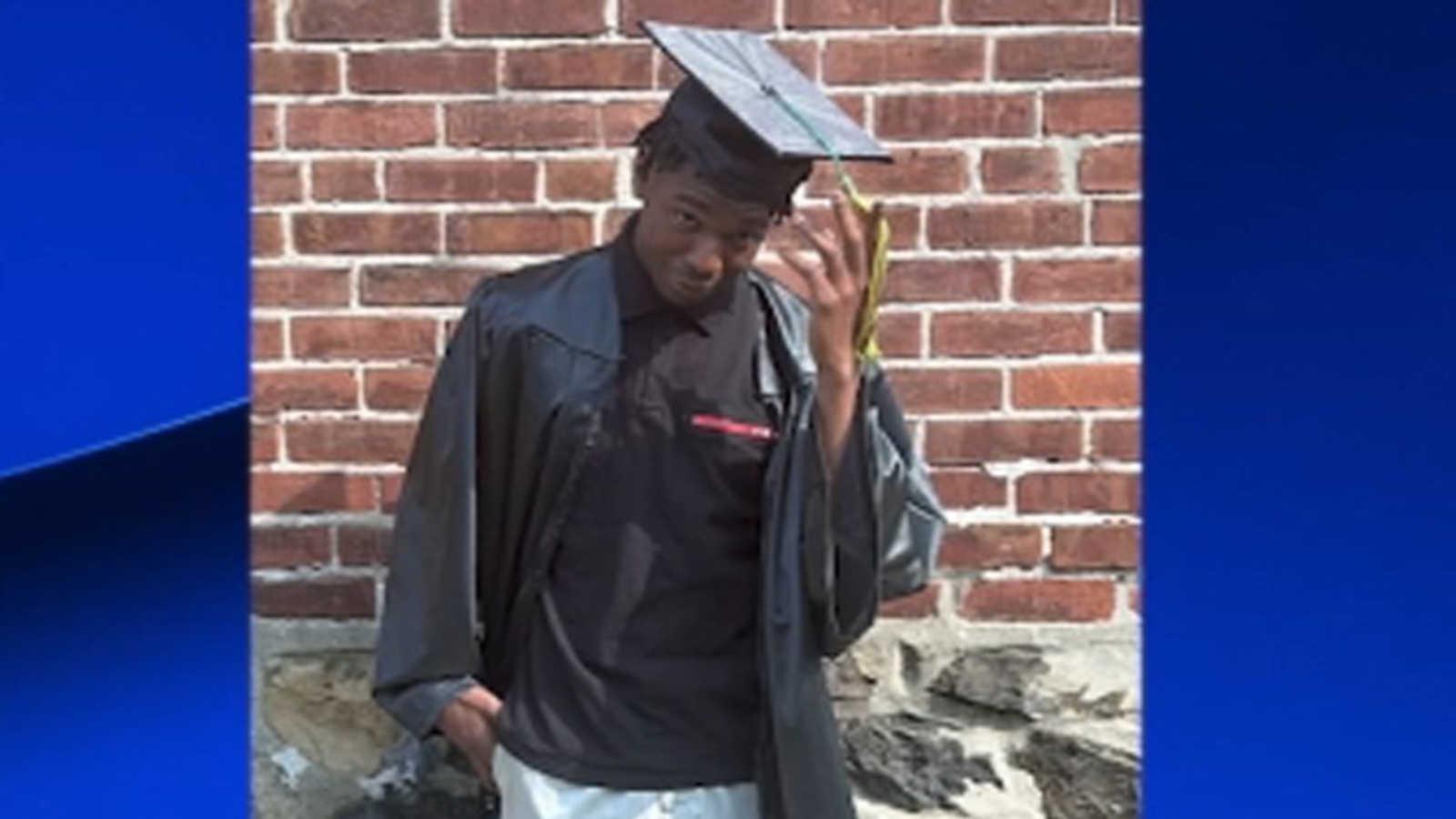
In a heartbreaking development out of Delaware, the family of a 19-year-old man killed in a Wilmington police shooting is demanding transparency and justice following the fatal encounter near 24th and Jessup streets. The late-night incident has sparked outrage within the local community, with relatives of the victim disputing the official narrative released by authorities and calling for the immediate release of body camera footage.
What Happened During the Fatal Wilmington Police Shooting
The tragic shooting occurred shortly after 11:15 p.m. on a Wednesday evening, when officers were reportedly monitoring a crowd in the area. According to statements from the Wilmington Police Department, the young man identified as Kadir Skinner emerged from a residence and allegedly pointed a firearm at the gathering of people officers were observing. Police claim that Skinner then fled the scene, prompting an officer to discharge their weapon during the encounter.
However, this official account stands in stark contrast to the version of events described by witnesses and family members, raising serious questions about the circumstances surrounding this fatal police shooting in Wilmington.
Conflicting Accounts Emerge
Eyewitnesses present at the scene provided a dramatically different perspective on what transpired that night. Multiple witnesses stated that Skinner was unarmed at the time of the shooting and was part of a large group that had begun running from a dog in the vicinity. According to their testimony, it was during this chaotic moment of flight that police opened fire, ultimately killing the 19-year-old.
These conflicting narratives have intensified calls for a thorough and independent investigation into this police-involved shooting, with community members emphasizing that the truth can only be established through complete transparency from law enforcement agencies.
Heartbroken Father Speaks Out
Durrell Dollard, the father of Kadir Skinner, has emerged as a vocal advocate for justice in the wake of his son’s death. In emotional statements to the press, Dollard revealed that he heard his son pleading during the fatal encounter.
“I heard my son say ‘I can’t breathe, I can’t breathe,'” Dollard recalled, his voice heavy with grief and disbelief.
The bereaved father has expressed deep skepticism about the official police account, suggesting that the manner in which his son was killed raises troubling questions about the use of force by officers. His statements have resonated throughout the community and added momentum to demands for accountability.
Claims of Being Shot From Behind
In one of the most disturbing allegations to emerge from this Wilmington police shooting, Dollard has insisted that his son was struck by gunfire from behind as he attempted to flee. The grieving parent described his feelings about the incident with raw emotion:
“My son was hunted. I feel like my son was hunted, to get shot in the back three times. Or two times. I don’t know,” he stated. “All I know is my son is gone. The officer that shot my son gets to go home.”
This account, if confirmed by evidence, would significantly alter the legal and ethical framework around the use of deadly force in this incident. Questions about whether Skinner posed an imminent threat at the moment shots were fired remain central to the family’s demands for answers.
Mother’s Anguish and Call for Justice
The tragedy took an additional emotional toll on the Skinner family due to a particularly cruel coincidence. Kadir’s mother, Rashai Skinner, was working at a hospital the night of the shooting when a trauma call came in involving her own son. Still wearing her hospital scrubs from the previous night’s shift, she arrived at the scene overcome with grief.
“I want transparency on what happened to my son. I’m not ok. Kaidr Skinner,” she said, her statement reflecting both the personal devastation and the broader demand for accountability that has come to define the family’s response to this loss.
Family Returns to Scene in Grief
In the days following the fatal shooting, Kadir Skinner’s relatives gathered at the location near 24th and Jessup streets to mourn together. The scene was marked by raw emotion, with Skinner’s niece crying inconsolably while another family member comforted his sister. The collective grief visible at the site served as a powerful reminder of the human cost of police violence and the lasting impact such incidents have on families and communities.
Specific Demands From the Grieving Family
As the investigation into this Wilmington police shooting continues, the Skinner family has outlined specific demands they believe are essential for achieving justice and transparency:
- Release of body camera footage from officers involved in the incident
- Publication of autopsy results to clarify the exact circumstances of death
- Independent investigation by entities outside the Wilmington Police Department
- Accountability for the officer involved if wrongdoing is confirmed
- Full transparency regarding the sequence of events leading to the shooting
These demands reflect broader concerns about police accountability that have gained significant traction in communities across the nation following high-profile incidents of officer-involved shootings.
Community Response and Concerns
The fatal shooting has triggered significant concern throughout the Wilmington community, with residents and local leaders voicing apprehension about the incident and the officer’s history. Pastor Derrick Johnson spoke to the deep-seated community tensions surrounding this case:
“One of the reasons this particular shooting created such an outcry in the community is because this officer is known to the community and not in a positive way,” Johnson explained.
This statement highlights an important dimension of community-police relations that often surfaces in the aftermath of fatal police encounters. When officers have accumulated concerns within the communities they serve, incidents like this Wilmington police shooting tend to amplify existing distrust and create additional barriers to reconciliation.
Broader Implications for Policing
The shooting has become a focal point for discussions about police use of force, de-escalation training, and accountability mechanisms within Delaware law enforcement. Community advocates have pointed to this incident as evidence of the urgent need for comprehensive reforms in how police departments handle encounters with young people, particularly in situations where individuals are reportedly attempting to flee rather than confront officers.
Investigation Status and Procedural Steps
Following established protocols for officer-involved shootings, several procedural actions have been initiated in response to this Delaware police shooting:
- The officer involved has been placed on administrative leave pending the outcome of the investigation
- The state attorney general’s office has taken over the investigation to ensure independence from local police
- Evidence collection, including ballistics analysis and witness statements, is ongoing
- Body camera footage has been preserved as part of the investigative process
The decision to involve the state attorney general’s office represents a standard practice aimed at maintaining impartiality when local police departments investigate their own officers following fatal incidents. However, community members have historically expressed skepticism about such arrangements, often calling for federal involvement or independent civilian oversight to ensure complete objectivity.
What Happens Next
As the investigation into this Wilmington police shooting continues, several key developments are anticipated in the coming weeks and months. The release of body camera footage, completion of forensic analysis, and finalization of the autopsy report will be critical milestones in establishing the factual record of what occurred. Depending on the findings, the case could proceed to various outcomes, including potential criminal charges against the officer involved, departmental disciplinary action, or civil proceedings initiated by the Skinner family.
The Path Forward for Wilmington
This tragic incident represents more than just another entry in the long and painful history of police-involved shootings in America. For the Wilmington community, it has become a catalyst for renewed conversations about public safety, police accountability, and the protection of citizens’ constitutional rights. The demands of the Skinner family, while specific to their personal loss, echo broader calls for transparency that have resonated in cities throughout the country.
As investigations proceed and community voices continue to demand answers, this case will likely serve as a test of institutional commitments to police reform and accountability. The outcome will not only affect the Skinner family’s pursuit of justice for Kadir but may also influence how similar incidents are handled in Delaware and beyond.
A Community in Mourning
Beyond the legal and procedural dimensions of this case, the human toll remains at the forefront. A 19-year-old with his entire life ahead of him has been lost, leaving behind a family struggling with unimaginable grief. The mother’s experience of receiving a trauma call about her own son while working at a hospital captures the almost incomprehensible nature of this tragedy. As Wilmington grapples with yet another fatal police shooting, the community must find ways to heal while also demanding the accountability necessary to prevent similar tragedies in the future.
Conclusion
The Wilmington police shooting that claimed the life of 19-year-old Kadir Skinner has exposed deep divisions between official accounts and family testimony, raising critical questions about police use of force and community accountability. With the officer involved on administrative leave and the state attorney general’s office leading the investigation, the family continues to demand the release of body camera footage and autopsy results to establish the truth. As this case develops, it stands as a stark reminder of the urgent need for transparency, accountability, and meaningful reform in how law enforcement agencies interact with the communities they serve. The answers sought by the Skinner family are not merely about one tragic night, but about building a system where such devastating losses become less common and justice becomes more attainable for all families affected by police violence.