
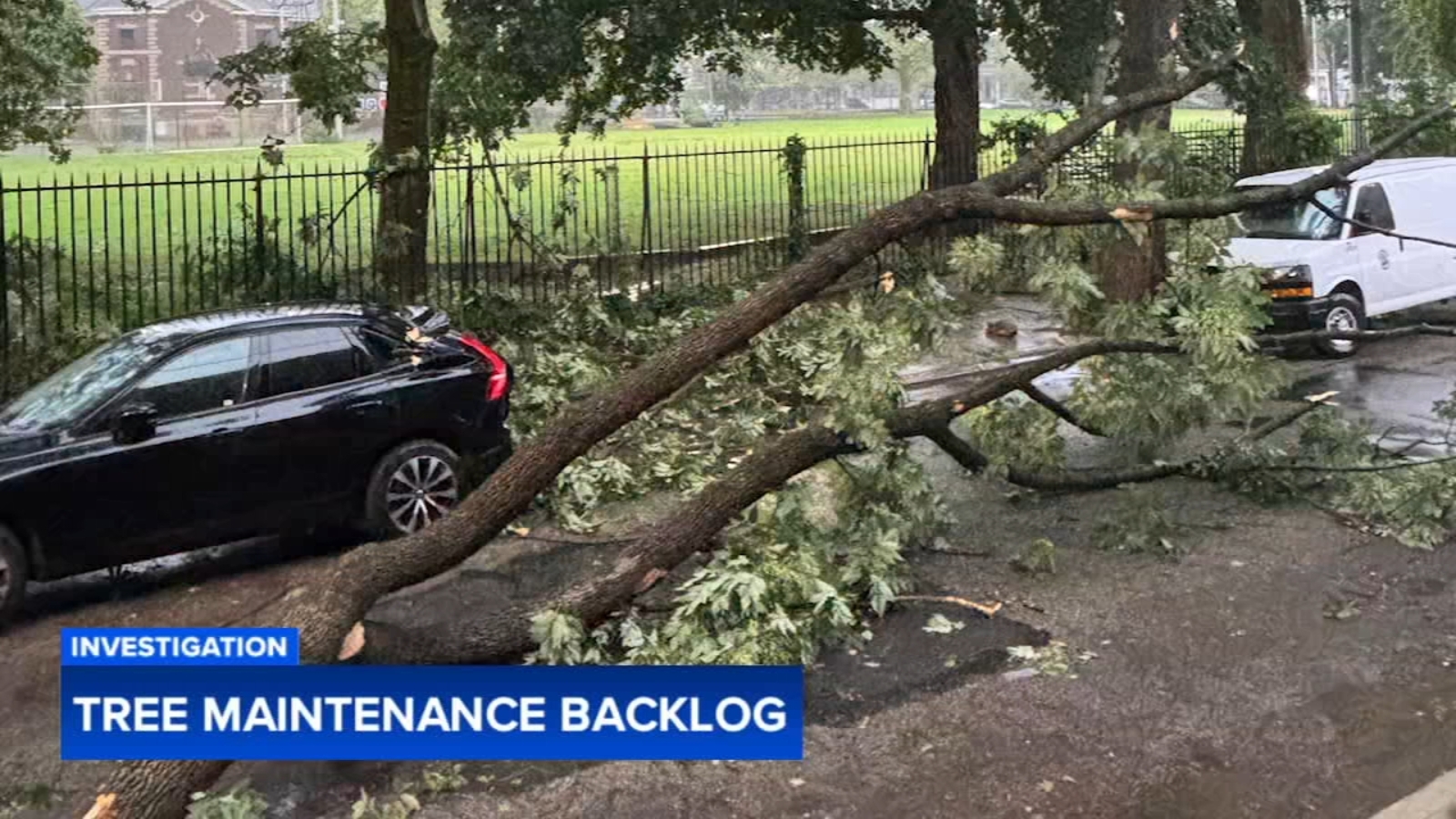
Philadelphia is confronting a serious tree maintenance backlog that has stretched to at least five years, leaving thousands of street trees in desperate need of pruning or removal. City officials have confirmed that the sheer scale of work far exceeds current resources, creating mounting safety risks for residents across neighborhoods like Brewerytown, where falling limbs and collapsing trees have already caused significant property damage. The issue has sparked frustration among homeowners who feel their warnings have gone unheeded, and it has placed new pressure on local government to address what many describe as an overdue public safety crisis.
Understanding Philadelphia’s Tree Maintenance Backlog
Street trees are a defining feature of Philadelphia’s neighborhoods, providing shade, beauty, and environmental benefits. However, the city’s urban forestry program has struggled to keep up with routine care. According to City Forester Erica Smith Fichman, whose position was created in 2023 to address these very challenges, approximately 25,000 trees currently require pruning. Only about 1,700 of those are scheduled for trimming this year, leaving a gap that will take years to close under the current pace.
Beyond pruning needs, the city has identified roughly 3,500 trees that need complete removal. These are often dead, dying, or structurally compromised trees that pose immediate hazards to nearby homes, vehicles, and pedestrians. The combination of an aging urban tree canopy and limited proactive inspection has created a situation where dangerous conditions often only become apparent after disaster strikes.
A Reactive Approach to Tree Care
One of the most significant challenges in Philadelphia’s urban forestry strategy is the reliance on resident reports rather than proactive inspections. Historically, the city has depended on 311 calls and community complaints to identify trees in need of attention. While this system allows citizens to flag concerns, it also means that many hazardous trees go unnoticed until they show visible signs of decline or, worse, fall unexpectedly.
Smith Fichman has openly acknowledged this limitation and is working to shift toward a more proactive model. “It is scary. This is why we talk about maintenance as trust building and trying to get out,” she explained during recent discussions about the program. Her goal is to build a system where trained arborists routinely survey neighborhoods rather than waiting for problems to be reported.
The Human Cost in Brewerytown
Residents on the 1400 block of Jefferson Street in Brewerytown have experienced firsthand the consequences of the tree maintenance backlog. The block has been the site of multiple incidents involving falling trees and large limbs, with property owners bearing the financial and emotional toll.
Lauren Dye Netti, a longtime resident, described the scene after a tree limb crashed down near the fence line of the Athletic Recreation Center, destroying her car. The incident was bad enough on its own, but just months later, in early May, another tree toppled over on a sunny day, damaging three homes in the neighborhood. Among those affected was Amira Zahir, whose SUV was also struck by the falling tree.
“These trees are very old; we warned the city before,” Zahir said. Dye Netti echoed that frustration, adding, “My house was injured and my car was destroyed. So yeah, it’s pretty enraging.” Both residents emphasized that they had filed complaints with the city’s Parks and Recreation Department months before the May collapse, only to be told that the tree had been inspected and deemed safe.
Waiting for the Inevitable
The story on Jefferson Street is not unique, but it is particularly stark. Residents say they knew the tree that eventually fell was dead long before it came down. “It was a tree that we knew was dead. We were basically waiting for it to fall,” Dye Netti explained. That sentiment captures the broader anxiety felt by residents throughout the city who see aging trees looming over their homes with no clear timeline for inspection or remediation.
Adding to the frustration, residents say that when they first raised concerns about the trees near their homes, Parks and Recreation officials suggested they hire a private contractor to handle the pruning themselves. This suggestion was particularly galling to homeowners who pointed out that the trees in question are on public property, not private land. Only after the residents informed the city that local news media was investigating the situation was the street added to a pruning contract.
The Funding Gap Behind the Backlog
At the heart of Philadelphia’s tree maintenance backlog is a significant funding shortfall. During budget hearings earlier this year, Smith Fichman told City Council that the current street tree maintenance budget sits at approximately $800,000. While that figure may sound substantial, it falls dramatically short of what city foresters estimate is actually needed.
To eliminate the existing backlog, the city would require roughly $5 million for pruning and an additional $3 million for tree removal. Combined, that represents more than ten times the current allocation. Even those figures, however, come with a caveat: they are based primarily on resident requests rather than proactive inspections. A comprehensive, citywide survey would likely reveal an even larger problem.
A Moving Target
Smith Fichman has been candid about the difficulty of pinning down exact numbers. “It’s a moving target, right? Because every single day we learn about more things that need to be done,” she noted. As new complaints come in and inspections reveal additional hazards, the scope of the challenge continues to grow.
The funding gap translates directly into staffing limitations. Without the resources to hire additional arborists, contract crews, and support staff, the city cannot perform the volume of work required to address the backlog in a timely manner. The result is a triage system in which only the most obviously dangerous trees receive immediate attention, while countless others remain in a holding pattern.
How the City Prioritizes Tree Risks
Given the limited resources, Philadelphia officials have adopted a prioritization framework that focuses on trees considered most dangerous. This approach is necessary from a public safety standpoint, but it also means that many legitimate concerns are left unaddressed for extended periods. Trees that show subtle signs of decay, root damage, or structural weakness may not rise to the top of the priority list until they pose an imminent threat.
This triage system has created tension between the city and residents who feel their concerns are being dismissed. Brewerytown homeowner Jessica Evans captured the sentiment of many when she pushed back on the suggestion that residents should hire private contractors to handle public trees. “I am not going to do that. I mean it’s their responsibility. It’s their trees. It’s on public property. It’s not any of our trees. It’s not the residents’ responsibility to do that,” she said.
What Residents Can Do
For Philadelphia residents concerned about street trees in their neighborhoods, the city has established clear reporting channels. The primary point of contact for non-emergency tree concerns is 311, Philadelphia’s municipal service hotline. Reports submitted through 311 are routed to the Department of Parks and Recreation, which maintains responsibility for street tree care.
However, officials stress that residents should not hesitate to call 911 if a tree appears to present an imminent danger. Situations involving visibly leaning trees, large hanging limbs, or trees that have already begun to fall warrant an immediate emergency response. These calls are also routed to Parks and Recreation for priority handling.
Beyond reporting, residents can play a valuable role in advocating for increased funding. Community pressure on City Council members and budget officials has helped raise the profile of urban forestry in recent discussions. Continued engagement, especially from neighborhoods that have experienced damage, may be necessary to secure the additional resources Smith Fichman and her team need.
Looking Ahead: Trust and Transparency
Smith Fichman has framed the city’s tree maintenance efforts as an exercise in trust building. For years, residents have felt that their concerns were falling on deaf ears, and high-profile incidents like the Brewerytown collapses have reinforced that perception. Reversing that trend will require not only more money and staff but also greater transparency about how decisions are made and how priorities are set.
Proactive inspections represent the most significant potential shift in Philadelphia’s approach. If the city can move away from a purely reactive model and toward regular, systematic surveys of the urban tree canopy, it can identify hazards before they cause damage. That transition, however, requires the very funding and staffing the city currently lacks.
Conclusion
Philadelphia’s tree maintenance backlog is more than a bureaucratic inconvenience; it is a public safety issue with real consequences for residents across the city. From Brewerytown to other neighborhoods with aging tree canopies, homeowners are living with the daily anxiety of knowing that a dead or dying tree could come down on their home, their car, or their family at any moment. The gap between current resources and actual need is stark, and closing it will require sustained investment, expanded staffing, and a fundamental shift toward proactive tree care. Until then, residents can only remain vigilant, report concerns promptly, and advocate for the funding that city foresters say is essential to making Philadelphia’s streets safer for everyone.