
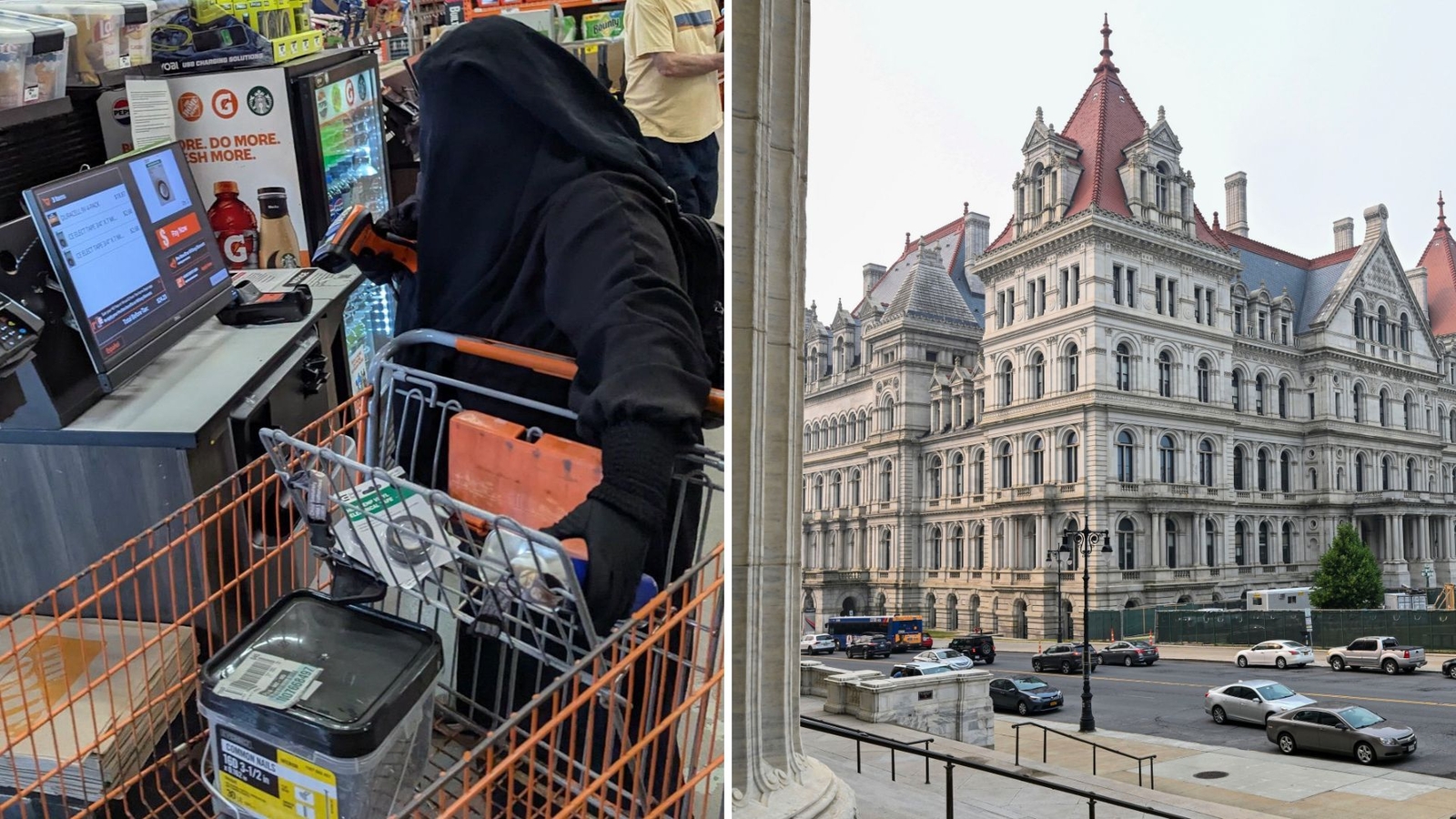
The FBI has arrested a 35-year-old woman accused of orchestrating a detailed New York Capitol attack plot aimed at destroying the State Capitol building in Albany and killing lawmakers during a session. Jessica Bowie was taken into custody after allegedly spending weeks conducting surveillance, purchasing bomb-making materials, and pledging allegiance to ISIS in online communications.
According to a criminal complaint filed by the FBI, the suspect’s intentions were chilling in their specificity. She reportedly told FBI informants that she wanted to “destroy as much of the building as possible and kill the senators while they are meeting,” while also expressing a desire to destroy important government documents. Her arrest marks another significant victory for federal counterterrorism efforts, highlighting the ongoing vigilance required to protect government institutions from domestic and foreign-inspired threats.
The Alleged Plot Unfolds
The investigation revealed that Bowie’s planning began in July, when she allegedly started communicating with unidentified individuals online and expressing support for ISIS, the designated foreign terrorist organization. The suspect had reportedly converted to Islam approximately five years before her arrest, according to details outlined in the criminal complaint.
Over the following weeks, Bowie allegedly conducted extensive reconnaissance of the New York State Capitol. She reportedly took photographs from multiple vantage points, including what the complaint described as an “observation hall nearby.” This careful surveillance suggested a methodical approach to identifying potential attack points and escape routes.
On August 5, she allegedly purchased bomb materials from a hardware store, marking a critical escalation in the alleged plot. For the next two weeks, she reportedly continued discussing her plans with FBI informants, refining the operational details of what authorities characterized as a serious and dangerous scheme.
How the FBI Infiltrated the Plot
The investigation involved cooperation between the FBI’s Albany Field Office and its Joint Terrorism Task Force. Undercover informants allegedly met with Bowie and ultimately provided her with an inert explosive device and an inert handgun, along with instructions on how to detonate the explosive. This allowed authorities to arrest her before any real weapons could be obtained or used.
Special Agent Craig L. Tremaroli, who heads the FBI Albany Field Office, emphasized the gravity of the situation during a press conference. “Make no mistake about it, Ms. Bowie’s alleged plot was serious, it was dangerous, and thanks to the partnerships of the FBI’s joint terrorism task force, it was foiled,” he stated, underscoring the coordinated effort that prevented what could have been a devastating attack.
The Arrest and Statement
Bowie was arrested on Wednesday, and a criminal complaint was filed the following day. During her interview with FBI agents, she reportedly acknowledged the severity of her situation, telling investigators, “There’s no helping me, you guys know enough, there’s no helping me, I’m going to prison for the rest of my life.”
She further demonstrated her awareness of the legal consequences she faced, allegedly stating, “Material support is up to 20 years in prison, I already Googled it before, I know I’m going to jail.” This remark reflected her apparent knowledge of federal statutes governing support for foreign terrorist organizations.
Formal Charges Filed
Bowie appeared in court on Thursday, where she was formally charged with attempting to provide material support or resources to designated foreign terrorist organizations. This federal charge carries significant penalties and reflects the seriousness with which authorities treat any form of assistance to groups like ISIS, whether through direct action, recruitment, or financial support.
Attorney information for the suspect was not immediately available following her court appearance, and the investigation remains ongoing as authorities work to determine the full scope of her activities and any potential co-conspirators.
Response from New York Officials
Governor Kathy Hochul responded to the foiled plot with appreciation for the law enforcement agencies involved and reaffirmed her administration’s commitment to protecting public officials and state facilities. In a statement issued Thursday, she highlighted recent security enhancements implemented at the Capitol complex.
“Earlier this year, amid a rise in political violence and threats against public officials, we took steps to strengthen security at the State Capitol and across state government,” Hochul explained, acknowledging the broader context of increasing threats against democratic institutions.
The Governor also reassured New Yorkers that there was no immediate threat to public safety, stating, “While there is no immediate threat at this time, we will continue working closely with our law enforcement partners to protect New Yorkers and keep our communities safe.” Her comments reflected both relief at the successful prevention of an attack and awareness of the need for continued vigilance.
Broader Concerns About Political Violence
The New York Capitol attack plot emerges against a backdrop of heightened concerns about political violence targeting government officials and institutions. In recent years, threats against public servants have increased significantly, prompting security upgrades at federal, state, and local government facilities across the country.
Counterterrorism experts have noted that lone-wolf attacks and small-cell conspiracies inspired by foreign terrorist organizations continue to pose substantial challenges for law enforcement. These plots often begin with online radicalization and can evolve rapidly, making early detection crucial to prevention efforts.
The Role of the Joint Terrorism Task Force
The successful disruption of this plot demonstrates the effectiveness of the FBI’s Joint Terrorism Task Force (JTTF) model, which combines federal, state, and local law enforcement resources to identify and neutralize terrorist threats. JTTFs operate in cities across the United States and have been instrumental in preventing numerous attacks over the past two decades.
The use of confidential informants in this case reflects standard counterterrorism practice, allowing authorities to monitor suspected plots and intervene before violence occurs. By providing inert materials to the suspect, agents ensured that no functional weapons or explosives reached the public while gathering sufficient evidence to support criminal charges.
Understanding Material Support Charges
Federal law prohibits providing material support or resources to designated foreign terrorist organizations, with violations carrying penalties of up to 20 years in prison. Material support can include a wide range of activities, from financial contributions and equipment provision to recruitment efforts and operational planning.
The charge against Bowie focuses specifically on her alleged attempt to provide such support through her planned attack on the Capitol, which prosecutors will argue was intended to advance ISIS’s goals of destabilizing Western governments and inspiring fear among civilian populations.
Implications for Capitol Security
This incident is likely to prompt renewed reviews of security protocols at the New York State Capitol and similar government facilities nationwide. While physical security measures have been enhanced in recent years, the persistent threat of lone-actor terrorism requires continuous adaptation of protective strategies.
Officials must balance the need for security with the principle of accessible government, ensuring that citizens can engage with their elected representatives while minimizing vulnerabilities to attack. The New York Capitol attack plot underscores the importance of this delicate balance and the ongoing investment required to maintain it.
The Ongoing Investigation
Law enforcement officials have indicated that the investigation into Bowie’s activities remains active, with authorities working to identify any additional individuals who may have been involved in the planning or attempted execution of the attack. The FBI continues to examine her online communications and physical activities in the weeks leading up to her arrest.
As this case moves through the federal court system, it will likely provide additional insights into the methods used by both terrorist organizations and law enforcement agencies in the ongoing effort to prevent political violence. The successful disruption of this particular plot serves as both a warning about persistent threats and a testament to the effectiveness of coordinated counterterrorism work.
Conclusion
The arrest of Jessica Bowie represents a critical victory for federal and state law enforcement in their ongoing efforts to protect democratic institutions from terrorist threats. The New York Capitol attack plot, had it succeeded, could have resulted in significant loss of life and represented a direct assault on the functioning of state government.
Thanks to the diligent work of the FBI’s Joint Terrorism Task Force and the cooperation of confidential informants, authorities were able to identify, monitor, and ultimately disrupt the alleged plot before any harm could be inflicted. As investigations continue and the case proceeds through the legal system, this incident serves as a stark reminder of the importance of vigilance, inter-agency cooperation, and proactive counterterrorism strategies in safeguarding public institutions and the officials who serve within them.