
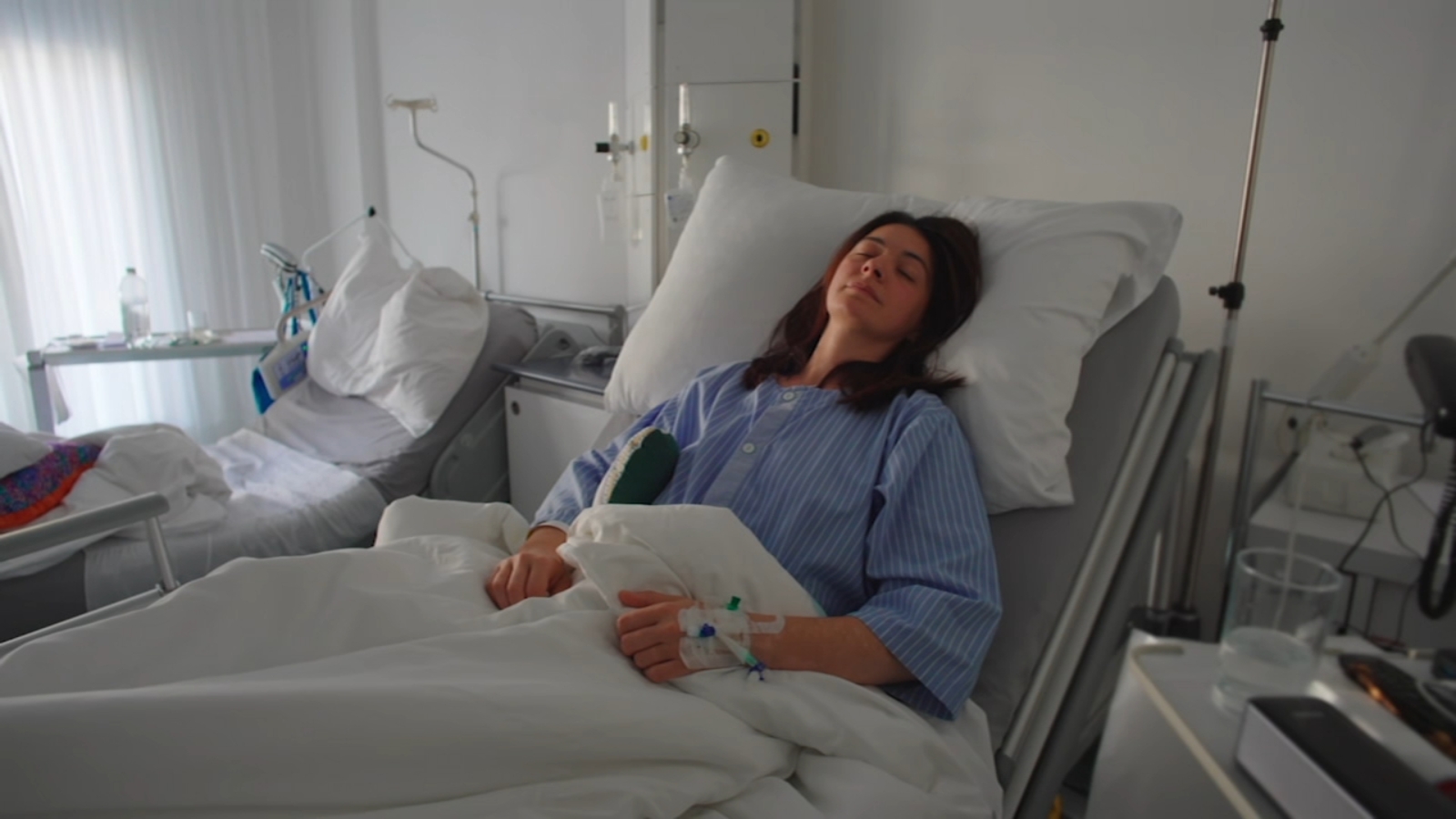
Ovarian cancer remains one of the most elusive and devastating diagnoses in women’s health, earning its reputation as the “silent killer.” Unlike many other cancers, ovarian cancer rarely produces early warning signs, and there is currently no reliable screening tool to detect it before it reaches advanced stages. This combination of vague symptoms and limited diagnostic options makes it particularly difficult to catch early, when treatment is most effective.
Researchers across the country, including dedicated teams in the Philadelphia region, are working tirelessly to change this reality. From innovative drug therapies to groundbreaking laboratory research, the fight against ovarian cancer is gaining momentum in clinics and communities alike. Local institutions are emerging as powerful hubs for both cutting-edge treatment and compassionate patient support.
A Personal Story: Diane Chaiken’s Battle with Stage 3 Ovarian Cancer
For the Chaiken family of Blue Bell, Pennsylvania, ovarian cancer became deeply personal three years ago. Diane Chaiken, a lifelong problem solver known for her love of children and her drive to help others, faced her greatest challenge when she began feeling “not quite right.” A small amount of spotting prompted her gynecologist to order a CT scan, and within hours of returning home, Diane received the call that would change everything.
The diagnosis was stage 3 ovarian cancer, specifically a subtype called clear cell carcinoma, which affects approximately 10% of ovarian cancer patients. Her husband, Warren Chaiken, recalls rushing out of his office the moment Diane called, devastated by the news. Despite beginning treatment immediately at Fox Chase Cancer Center, where her initial therapy was successful and brought her into remission for nearly a year, Diane’s cancer eventually returned, as it does for roughly 70% of women after first-line treatment.
Throughout her journey, Diane remained a source of strength for others, even joining a support group of approximately ten women where members shared their experiences, treatments, and coping strategies. Warren describes the group as a godsend, where “recipes” were exchanged not for cooking, but for navigating the daily realities of living with cancer.
Recognizing the Subtle Signs: Symptoms Women Should Never Ignore
One of the most challenging aspects of ovarian cancer is that its symptoms often mimic common, everyday ailments. According to Dr. Angela Jain of Fox Chase Cancer Center, the warning signs can be remarkably vague. Women may experience indigestion, constipation, diarrhea, abdominal pressure, unusual fatigue, or a feeling of being unable to finish a meal.
The key, Dr. Jain emphasizes, is paying attention to clusters of these symptoms or signs that simply will not resolve on their own. Because there is no early detection screening for ovarian cancer, awareness of these subtle changes in the body becomes one of the most powerful tools women have. Ovarian cancer symptoms frequently get dismissed as digestive issues or stress, which can delay diagnosis and reduce treatment options.
Women who notice persistent changes in their abdominal comfort, bathroom habits, or energy levels should not hesitate to advocate for themselves and discuss their concerns with a healthcare provider, particularly if they have a family history of the disease.
Modern Treatment Approaches for Ovarian Cancer
When ovarian cancer is suspected, surgery is typically the first step, both to confirm the diagnosis and to remove as much visible tumor as possible. Following surgery, most patients require chemotherapy as part of their treatment plan. However, recent advances in oncology have expanded the arsenal of available therapies considerably.
Dr. Jain explains that newer drugs called PARP inhibitors are now being added to treatment regimens, along with innovative antibody-drug conjugates, or ADCs, which work differently from traditional chemotherapy. These targeted therapies represent a significant leap forward in personalized ovarian cancer treatment, offering hope to patients whose cancers may not respond well to conventional approaches.
For women with clear cell ovarian cancer and other less common subtypes, these emerging therapies are particularly important, as these variants often respond differently to standard treatments. Ongoing clinical trials at major cancer centers continue to refine how these drugs are sequenced and combined to maximize their effectiveness.
The Power of Community: How Support Networks Change Lives
Beyond medical treatment, emotional and practical support plays an essential role in the ovarian cancer journey. Unite for Her, an organization serving breast and ovarian cancer patients, offers free integrative therapies that address the whole person, not just the disease. Founded and led by CEO Sue Weldon, the program allows patients to choose the services that resonate most with them, whether that’s counseling, acupuncture, nutrition guidance, fitness programs, oncology massage, or yoga.
This personalized approach recognizes that healing extends beyond the hospital walls. By giving patients agency in their care, integrative programs help restore a sense of control during a time when so much feels uncertain. For Diane Chaiken, the support group she joined through Fox Chase became a lifeline, a place where shared vulnerability transformed into collective strength.
Warren reflects that his wife was both supported by and supportive of the other women in her group, embodying the reciprocal nature of true community. The connections forged in these groups often become some of the most meaningful relationships in a patient’s life.
Local Research and Innovation: Philadelphia’s Fight Against Ovarian Cancer
The Philadelphia area has become a significant center for ovarian cancer research and treatment, with institutions like Fox Chase Cancer Center leading the charge. Researchers there are investigating the biological mechanisms that drive different subtypes of the disease, working to identify new therapeutic targets, and developing clinical trials that give patients access to tomorrow’s treatments today.
Local ovarian cancer research efforts also include studies focused on earlier detection methods, an area where progress could dramatically improve survival rates. Since most cases are diagnosed at advanced stages, even modest improvements in detection could save thousands of lives each year.
Community awareness events, fundraising initiatives, and educational programs throughout the region help ensure that conversations about ovarian cancer continue year-round, not just during designated awareness months.
Creating Lasting Change: The Chaiken Family Legacy
After Diane’s passing, her family made a powerful decision to transform their grief into action. They established a foundation dedicated specifically to ovarian cancer prevention, earlier detection, and the development of new treatment options. This focused approach ensures that every dollar raised and every initiative launched has a clear purpose: changing the trajectory of this disease for future generations.
In addition to their foundation, the Chaiken family created a visiting professorship at Fox Chase Cancer Center. This endowed position brings outstanding ovarian cancer researchers and clinicians to Philadelphia, enriching the local scientific community and accelerating discoveries that might otherwise take years to reach patients.
Diane’s wish to live her life fully, never letting cancer define her, continues to inspire these efforts. Warren notes that she made it to an important family wedding shortly before her passing, remaining present for the people she loved until the very end.
Conclusion
The fight against ovarian cancer requires a multifaceted approach combining cutting-edge research, compassionate patient care, strong community support, and relentless ovarian cancer awareness. From the laboratories at Fox Chase Cancer Center to the integrative therapy programs offered by organizations like Unite for Her, local efforts are making a meaningful difference in the lives of patients and families throughout the Philadelphia region.
Stories like Diane Chaiken’s remind us why this work matters. Each research breakthrough, each new therapy, each supportive conversation brings us closer to a future where ovarian cancer is detected early, treated effectively, and ultimately prevented. By supporting local research initiatives, participating in awareness campaigns, and advocating for ourselves and the women in our lives, we all play a role in turning the tide against this silent killer.