
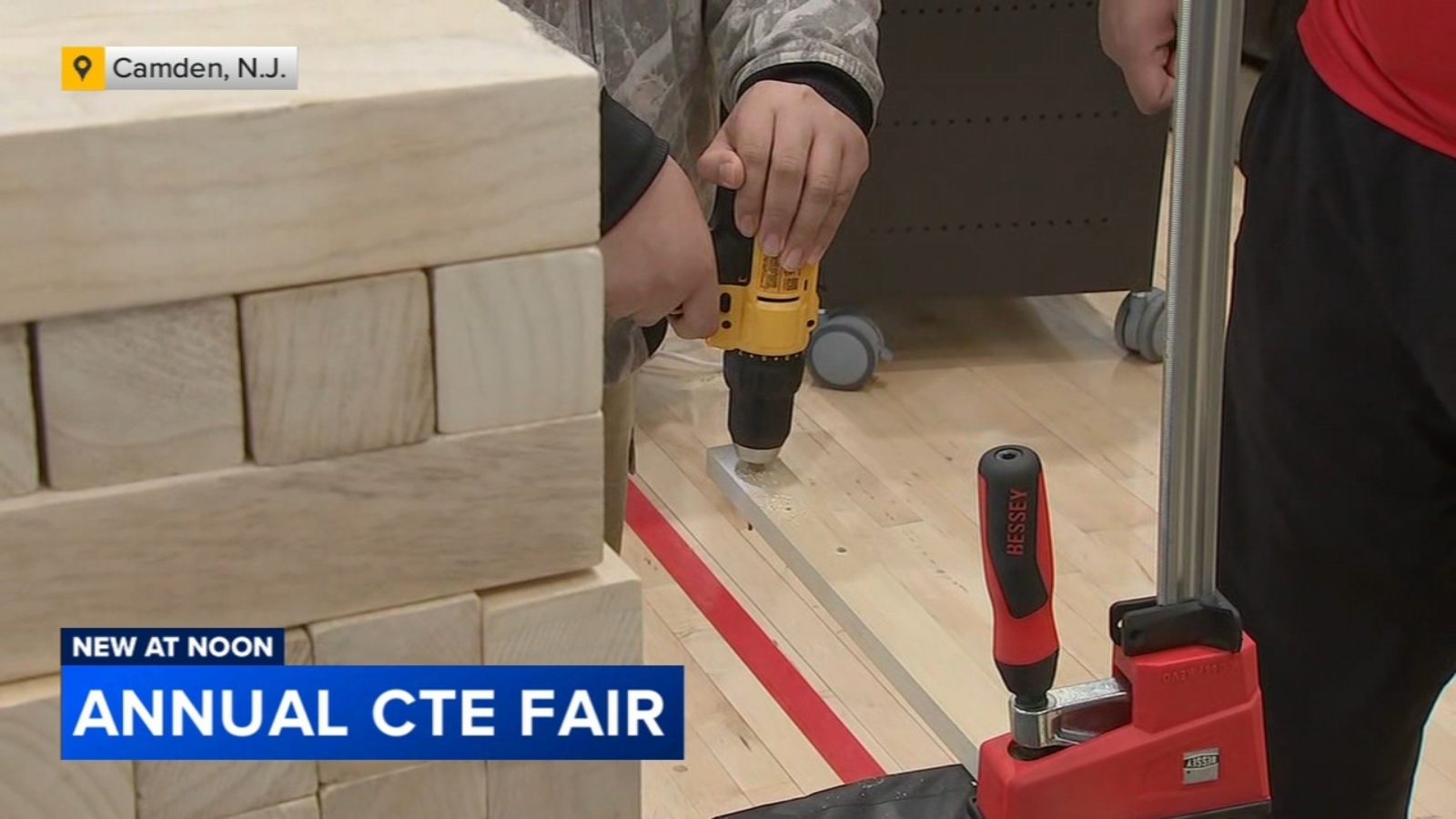
Camden, New Jersey, recently buzzed with energy as the career and technical education fair welcomed hundreds of curious middle school students for an afternoon of hands-on discovery. Hosted by the Camden City School District, this annual event serves as a vital bridge between early education and the professional world, giving younger students a firsthand look at the career pathways available to them once they reach high school.
The fair, held at Camden High School and Eastside High School, is designed to spark interest in career and technical education (CTE) programs long before students must make formal decisions about their futures. By engaging with current high school CTE students through live demonstrations and interactive showcases, the middle schoolers were given a unique window into what their academic journey could look like.
Why a Career and Technical Education Fair Matters for Middle Schoolers
Middle school represents a pivotal moment in a young person’s life. While most students are still several years away from choosing a college major or entering the workforce, the decisions they make during these formative years often shape the trajectory of their academic and professional lives. A well-organized career and technical education fair introduces concepts like career exploration and workforce readiness at exactly the right moment.
For many attendees, the event may have been their first exposure to careers beyond the traditional white-collar professions often highlighted in school curricula. CTE programs open the door to high-demand fields such as:
- Health sciences and nursing
- Information technology and computer science
- Culinary arts and hospitality management
- Construction trades and engineering
- Automotive technology
- Business administration and finance
- Media arts and graphic design
By showcasing these fields early, districts like Camden City are helping students visualize paths they might not have otherwise considered.
The Role of Peer-Led Demonstrations
One of the most powerful elements of the career and technical education fair was the involvement of current CTE students from Camden High School and Eastside High School. Rather than relying solely on adult instructors or printed brochures, organizers turned the spotlight on the high schoolers themselves. These student ambassadors demonstrated real-world skills they had developed through their CTE coursework and shared personal stories about how the programs have shaped their goals.
Peer-led learning is uniquely effective. Younger students tend to relate more easily to slightly older peers than to authority figures, and seeing someone just a few years ahead of them mastering practical skills can be deeply motivating. When a middle schooler watches a high school student troubleshoot a computer, operate industrial equipment, or prepare a culinary dish, the abstract idea of “what you could become” becomes something tangible and achievable.
Inside the CTE Programs at Camden High School and Eastside High School
Both Camden High School and Eastside High School offer robust career and technical education tracks designed to meet the evolving needs of the regional economy. These programs are structured to combine academic instruction with hands-on training, ensuring that students graduate with both a strong educational foundation and industry-relevant competencies.
Academic Integration with Career Skills
Modern CTE programs are not the vocational tracks of decades past. Today’s offerings are tightly integrated with core academic subjects, including math, science, language arts, and social studies. Students learn to apply classroom theory to practical projects, reinforcing their understanding of both disciplines. For example, a student in a culinary arts program might study chemistry through the lens of food science, while an information technology student might use mathematical algorithms to solve coding problems.
Industry Credentials and Certifications
Many CTE pathways also prepare students to earn industry-recognized certifications before they even graduate. These credentials can provide a significant head start in the job market or college applications. Depending on the program, students may work toward certifications such as:
- OSHA safety certifications
- CompTIA IT Fundamentals or A+ certification
- ServSafe food handling credentials
- Certified Nurse Aide (CNA) credentials
- Adobe Certified Associate credentials
This combination of academic credit and professional certification is a powerful advantage for graduates entering either the workforce or post-secondary education.
The Broader Impact on the Camden Community
The career and technical education fair is more than a school event , it is a community-building exercise that strengthens the ties between students, families, educators, and local industry. Camden, like many urban areas, has historically faced economic challenges, and the school district has consistently worked to provide students with pathways that lead to stable, well-paying careers.
By connecting students to meaningful academic and career opportunities early, the district is investing in the long-term economic health of the region. Students who complete CTE programs are more likely to:
- Graduate from high school on time
- Pursue post-secondary education or training
- Earn higher wages in their chosen fields
- Remain in or return to their home communities as skilled professionals
This kind of forward-thinking programming is particularly important in communities where college-for-everyone messaging can sometimes obscure the value and dignity of skilled trades and technical professions.
Addressing Misconceptions About CTE
Despite the proven value of career and technical education, lingering misconceptions persist. Some families still associate CTE with lower academic expectations or “backup plans” for students who aren’t pursuing four-year degrees. Events like the Camden career and technical education fair work to dispel these myths by showcasing the rigor, creativity, and competitive earning potential of today’s technical careers.
In reality, many CTE graduates go on to earn impressive salaries, start their own businesses, or transition smoothly into advanced degree programs. The stigma that once surrounded vocational training has largely faded, replaced by a growing recognition that the modern economy depends on a diverse mix of talents , from engineers and software developers to electricians, healthcare technicians, and skilled craftspeople.
What Students Experienced at the Fair
While the specific demonstrations varied by program area, the goal was consistent across every booth and station: engage, inspire, and inform. Middle school students had the opportunity to:
- Watch live demonstrations of technical skills in action
- Ask questions about program requirements and expectations
- Try their hand at basic tasks under the guidance of high school mentors
- Collect information about program enrollment and course sequences
- Visualize themselves as future CTE students and professionals
These kinds of immersive experiences have been shown to dramatically increase student engagement, particularly among learners who may struggle to connect with traditional classroom instruction. For some students, the spark ignited at a career and technical education fair can light the way through the rest of their academic careers.
Looking Ahead: Building a Pipeline of Opportunity
The annual nature of the event speaks to the district’s long-term commitment to workforce development. By hosting the fair year after year, Camden City School District ensures that every incoming class of middle schoolers has the same opportunity to explore, ask questions, and begin forming ideas about their futures. This consistency matters , it builds institutional knowledge, fosters alumni engagement, and creates a self-reinforcing pipeline of student interest.
Organizers have emphasized that the career and technical education fair is part of broader, ongoing efforts to connect students with meaningful academic and career opportunities. That includes partnerships with local employers, college articulation agreements, and scholarship programs designed to remove financial barriers to advanced training.
A Model for Other Districts
Districts across the country are taking notice of events like Camden’s. The structure is straightforward, the costs are relatively modest, and the impact on student awareness can be profound. Other school systems seeking to strengthen their own CTE pipelines might consider:
- Partnering with high school CTE students as ambassadors and mentors
- Inviting local employers to participate as exhibitors or speakers
- Creating interactive stations where middle schoolers can try basic skills
- Providing take-home materials so families can continue the conversation
- Following up with classroom visits and guidance counselor sessions
Final Thoughts
The Camden City School District’s annual career and technical education fair is a shining example of how thoughtful, student-centered programming can change lives. By introducing middle school students to the many career pathways available at Camden High School and Eastside High School, the district is doing more than running an event , it is planting seeds of ambition, possibility, and self-direction in the minds of young learners.
In a world where the nature of work is changing rapidly, giving students early exposure to skilled professions is one of the most valuable gifts an education system can offer. For the middle schoolers who attended this year’s fair, the experience may well turn out to be a defining moment , one that set them on a path toward a fulfilling career and a stronger future for themselves and their community.