
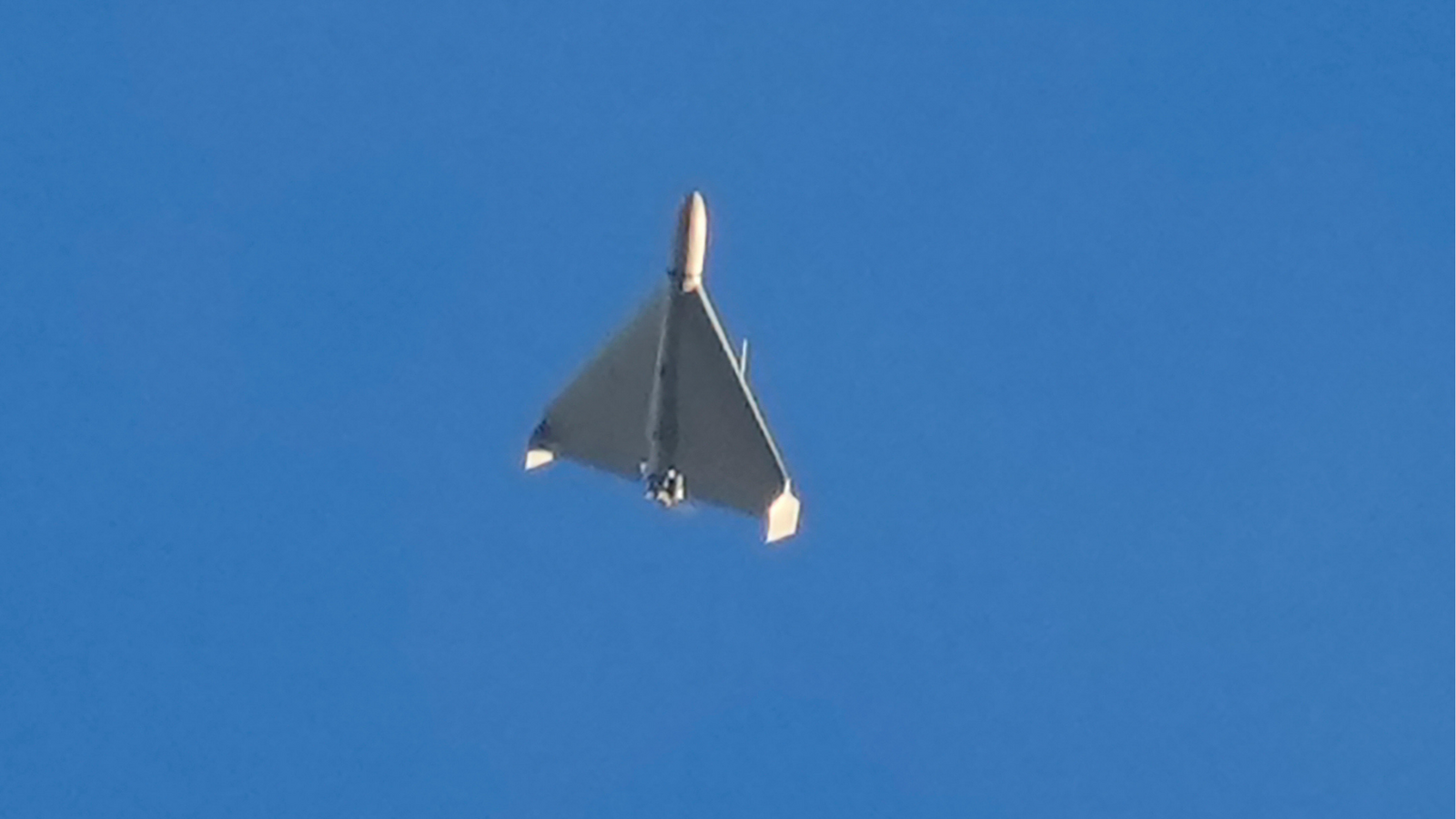
The Iran drone attack threat targeting California has emerged as one of the most alarming homeland security concerns in recent memory. According to an FBI alert reviewed by ABC News, Iranian operatives allegedly planned to launch an unmanned aerial vehicle (UAV) strike from an unidentified vessel off the U.S. Pacific coast in early February 2026. The warning, distributed to California law enforcement agencies in late February, painted a chilling picture of how modern geopolitical conflicts could spill directly onto American soil. While the intelligence was explicitly labeled as “unverified,” the FBI’s decision to circulate it underscores the gravity of the situation and the evolving nature of asymmetric warfare threats facing the United States.
Inside the FBI Alert: What Authorities Were Told
The revised FBI bulletin sent to police departments across California outlined a specific and deeply concerning scenario. According to the document, intelligence suggested that Iran intended to execute a surprise drone attack launched from a maritime platform off the U.S. coastline. The intended targets were unspecified but located within California, and the alleged plot was described as a retaliatory response in the event the United States launched military strikes against the Islamic Republic.
Crucially, the FBI emphasized the limits of its knowledge at the time of distribution. The alert stated plainly that authorities possessed no additional information regarding the timing, method, target, or perpetrators of the purported attack. This kind of cautious language is standard in intelligence products dealing with raw or single-sourced reporting, but it does not diminish the urgency with which the bureau circulated the warning.
Why the Alert Matters Even Without Verification
Unverified intelligence is not the same as discredited intelligence. The FBI’s decision to forward this iran drone attack threat to local agencies reflects a broader intelligence philosophy: when the potential consequences are catastrophic, sharing incomplete information allows state and local partners to enhance their readiness posture. Former Department of Homeland Security intelligence chief John Cohen, now an ABC News contributor, stressed that this kind of proactive warning is essential for effective preparedness.
The Geopolitical Trigger: U.S. Strikes Against Iran
The timing of the FBI alert was no coincidence. It arrived as the Trump administration intensified its military campaign against the Islamic Republic of Iran. Throughout the conflict, Iran has been actively retaliating with drone strikes against various targets across the Middle East, demonstrating both its willingness and its capability to project force using unmanned systems.
When asked about the California alert, President Donald Trump acknowledged the investigation but projected confidence in the broader military operation. “It’s being investigated,” Trump said. “But a lot of things are happening, and the only thing we can do is take them as they come, and the war itself is going better than anybody thought it could go.”
Officials in Washington have long worried about Iran’s ability to extend its reach beyond the Middle East. The regime is known to maintain networks and relationships across Latin America, including in Mexico and South America. These connections, combined with Iran’s documented drone arsenal, create a credible pathway for asymmetric retaliation far from the traditional battlefield.
A Growing Drone Threat From Multiple Directions
The California alert did not emerge in isolation. It sits within a much larger pattern of concern about drone warfare reaching the U.S. homeland, particularly from two distinct vectors: the Pacific and the southern border.
Iranian Drone Capabilities and Their Reach
Iran has spent decades developing one of the most sophisticated drone programs in the world. Its Shahed-series loitering munitions and reconnaissance UAVs have been deployed by Russian forces in Ukraine and by Iranian proxies throughout the Middle East. The technical capability to launch a drone from a vessel at sea and guide it to a coastal target is well within Iran’s engineering capabilities.
The iran drone attack threat outlined in the FBI alert also fits a broader strategic logic. By demonstrating the ability to strike the American homeland directly, Iran could attempt to deter U.S. military action, shape domestic political opinion, or simply impose costs on a country actively engaged in hostilities against the regime.
Mexican Cartels and Border Drone Activity
Separately, U.S. intelligence officials have grown increasingly alarmed by the use of drone technology by Mexican drug cartels. A September 2025 intelligence bulletin, also reviewed by ABC News, warned that unidentified cartel leaders had authorized attacks using explosive-laden drones against U.S. law enforcement and military personnel along the U.S.-Mexico border.
While such an attack on American soil would be unprecedented, intelligence analysts assessed it as a plausible scenario. The bulletin noted, however, that cartels typically avoid actions that attract unwanted attention or provoke heavy-handed responses from U.S. authorities. Nevertheless, the convergence of cartel drone expertise, Iranian presence in the region, and shared logistical pathways through Mexico has fueled a growing sense of vulnerability along the southwestern frontier.
California’s Response at the State and Local Level
The alert triggered an immediate and coordinated response across California’s security apparatus. The office of Governor Gavin Newsom confirmed that the Governor’s Office of Emergency Services was actively collaborating with state, local, and federal law enforcement partners to safeguard communities.
The Los Angeles County Sheriff’s Department announced it had elevated its readiness posture in light of current global events. In a public statement, the agency explained that it had proactively reviewed deployment plans, strengthened coordination with patrol stations, and ensured additional resources were available if needed.
Notably, the department also increased patrols around houses of worship, cultural institutions, and other prominent locations throughout the county , a precautionary measure that acknowledged both the symbolic and operational value such sites could hold for adversaries planning high-impact attacks.
Expert Perspectives on the Emerging Threat Picture
Former DHS intelligence chief John Cohen offered one of the most pointed assessments of the situation. He noted that Iran’s extensive presence in Mexico and South America, combined with its drone technology and now heightened motivation to retaliate, created conditions that demanded serious attention from U.S. security planners.
“The FBI is acting intelligently by issuing this warning so states and municipalities can better prepare for and respond to these types of threats,” Cohen said. “Information like this is critical for law enforcement agencies.”
Intelligence officials have worried for years about the possibility of adversaries placing equipment on land or aboard ships at sea, ready to launch attacks in the event of open conflict with Iran or Israel. The current state of hostilities makes those long-standing fears feel suddenly urgent.
Implications for Homeland Security Going Forward
The iran drone attack threat against California signals a fundamental shift in how the United States must think about defending its territory. Traditional homeland security frameworks were largely designed around threats from nation-states launching missiles or terrorist organizations executing ground-based attacks. Drones launched from ships at sea , or from cartel-controlled territory along the southern border , represent a different kind of challenge entirely.
Key considerations moving forward include:
- Maritime domain awareness: Tracking small vessels capable of carrying or launching drones along the Pacific coast requires investment in radar, satellite surveillance, and Coast Guard coordination.
- Counter-UAV systems: Law enforcement agencies need access to detection and defeat technologies capable of neutralizing small drones in populated areas.
- Intelligence sharing: The FBI’s decision to share unverified intelligence with state and local partners should become a template for handling emerging drone threats.
- Cross-border cooperation: Addressing cartel drone threats requires sustained collaboration with Mexican authorities and intelligence services.
- Public-private coordination: Critical infrastructure operators, ports, and event venues must be integrated into threat-awareness networks.
Conclusion
The FBI’s warning about an iran drone attack threat targeting California reflects a new and unsettling chapter in American homeland security. Whether or not the specific plot described in the alert ever materialized, the underlying vulnerabilities it exposed are real and growing. Iran possesses the drones, the international networks, and now, arguably, the motive to strike the U.S. homeland. Meanwhile, the parallel rise of cartel drone capabilities along the southern border adds another layer of complexity to an already demanding security environment.
As the United States continues its military campaign against Iran, the importance of vigilance, interagency cooperation, and public awareness cannot be overstated. The threats of the 21st century no longer respect oceans or borders, and the response from California , and the country at large , will set the tone for how prepared the nation truly is for the age of asymmetric warfare.