
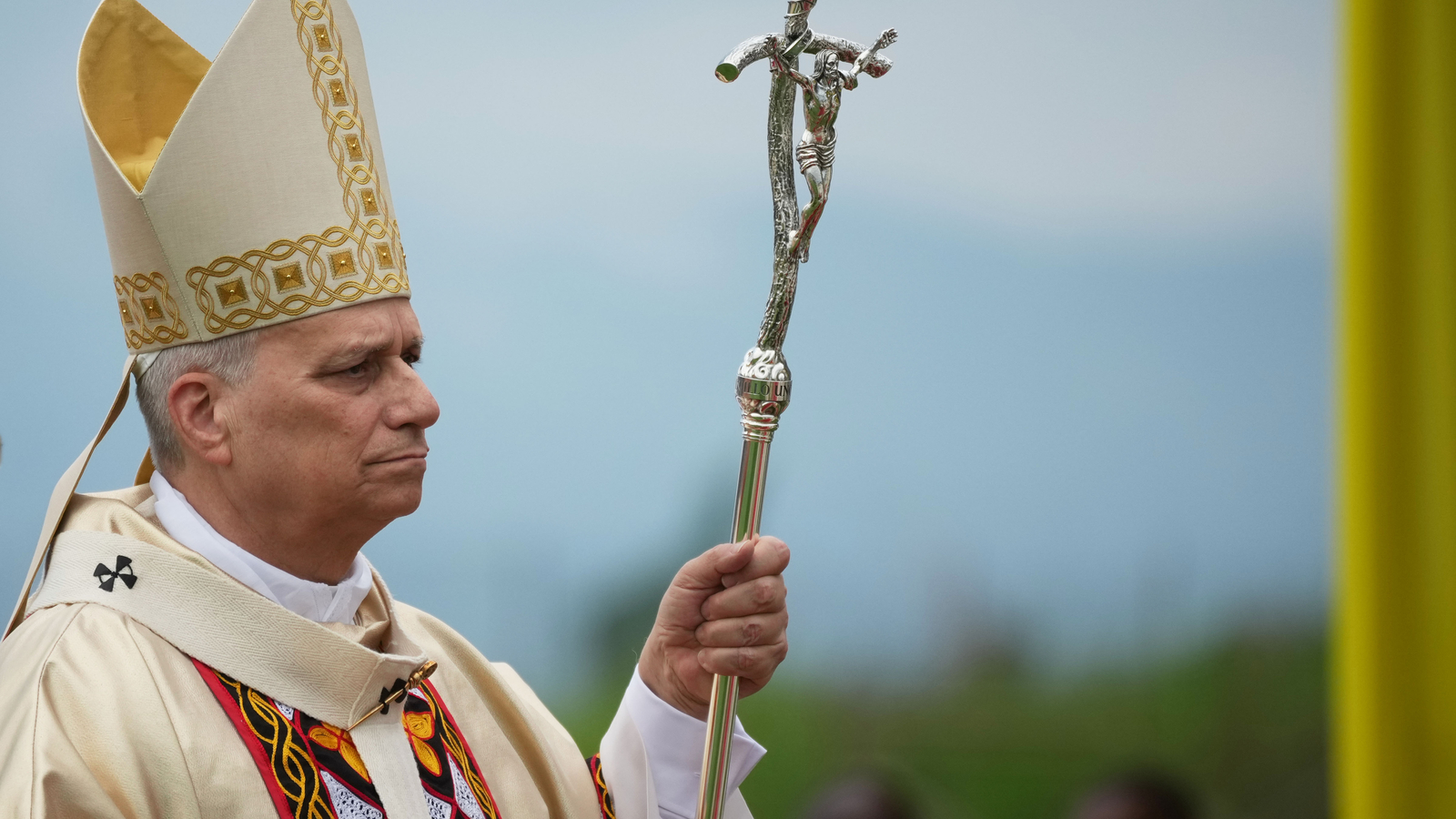
In a powerful and historic pope peace message cameroon, Pope Leo XIV traveled to the conflict-ravaged city of Bamenda to deliver a stirring condemnation of tyrants exploiting the African continent. His visit to one of the world’s most neglected crisis zones marked a defining moment in his papacy, blending moral urgency with a passionate call for global solidarity. The pontiff’s words resonated far beyond the borders of Cameroon, challenging powerful actors who profit from war and resource extraction while ordinary citizens suffer.
A Papal Visit to the Heart of Conflict
Bamenda, the capital of Cameroon’s Northwest Region, has been the epicenter of a brutal separatist conflict that has torn communities apart for nearly a decade. When Pope Leo XIV arrived, jubilant crowds flooded the streets, dancing, blowing horns, and celebrating a moment many thought would never come. For the people of this besieged region, the pope’s presence represented something profound: international recognition of their suffering and a renewed hope for peace.
The atmosphere was electric. Loudspeakers blasted music as thousands lined the roads to catch a glimpse of the pontiff. Felicity Cali, a Catholic student, captured the sentiment perfectly: “We are so overjoyed, so overwhelmed. Say thank you, God, for this extraordinary day and for making us be alive to see this day.”
Why Bamenda Matters
To understand the significance of this papal visit, one must grasp the depth of the crisis unfolding in Cameroon’s two Anglophone regions. The conflict is deeply rooted in colonial history. Following World War I, the territory was divided between France and Britain, creating linguistic and cultural divisions that have never healed. In 1961, a U.N.-backed vote reunified parts of Cameroon, but English-speaking communities have long claimed political and economic marginalization by the French-speaking majority.
In 2017, this simmering discontent erupted into open rebellion. Since then, more than 6,000 people have been killed and over 600,000 displaced, according to the International Crisis Group. The separatist movement seeks to establish an independent state, and while deadly attacks have decreased in recent years, peace talks with international mediators have stalled. Both sides accuse each other of acting in bad faith.
An Interfaith Beacon in Darkness
One of the most powerful moments of the pope peace message cameroon was the interfaith peace meeting held at St. Joseph Cathedral. The gathering brought together a remarkable assembly of religious leaders: a Mankon traditional chief, a Presbyterian moderator, an imam, and a Catholic nun. Each represented a different faith tradition, yet all shared a common commitment to ending the bloodshed.
Pope Leo XIV used this platform to praise the interfaith peace movement that has been working tirelessly to broker dialogue and care for victims. He also issued a stern warning against the weaponization of faith. “Blessed are the peacemakers!” he declared. “But woe to those who manipulate religion and the very name of God for their own military, economic and political gain, dragging that which is sacred into darkness and filth.”
This caution carried added weight given the pope’s ongoing concerns about religious justifications being invoked in the U.S.-Israeli war in Iran by American officials. By speaking out against the manipulation of faith, Pope Leo XIV positioned himself as a global moral voice transcending any single conflict.
Calling Out the Tyrants
The pope’s most arresting language was reserved for those perpetuating violence worldwide. He called for a “decisive change of course” away from conflict and exploitation, declaring:
“The world is being ravaged by a handful of tyrants, yet it is held together by a multitude of supportive brothers and sisters!”
He praised Bamenda as a model for the entire world, proclaiming in English: “Bamenda, today you are the city on the hill, resplendent in the eyes of all!” This phrase, often associated with American exceptionalism, took on new meaning as the pope applied it to a community long ignored by the international community.
The Plunder of African Resources
During his afternoon Mass before an estimated 20,000 people at Bamenda’s airfield, Pope Leo XIV expanded his critique to encompass the broader exploitation of the African continent. As he rode through the crowd in his covered popemobile, greeted by thunderous applause, he delivered some of his sharpest remarks yet.
He pointed to the “moral, social and political corruption” afflicting Cameroon and warned against external actors who exploit the nation’s wealth. Cameroon sits atop vast reserves of oil, natural gas, cobalt, bauxite, iron ore, gold, and diamonds. While French and English companies have long dominated extraction, Chinese companies have established a significant presence in recent years, particularly in gold mining regions of the east.
“Those who rob your land of its resources generally invest much of the profit in weapons, thus perpetuating an endless cycle of destabilization and death,” the pope explained. “It is a world turned upside down, an exploitation of God’s creation that must be denounced and rejected by every honest conscience.”
Echoes of Pope Francis
The pontiff’s fierce defense of African sovereignty echoed the famous words of his predecessor. When Pope Francis visited Congo in 2023, he thundered, “Hands off Africa!” against foreign interests plundering the continent. Pope Leo XIV has clearly inherited and amplified this prophetic tradition, framing resource extraction as a moral crisis rather than merely an economic one.
His critique went further. He condemned those who “continue to lay their hands on the African continent to exploit and plunder it” in the name of profit. This condemnation is particularly pointed given that Cameroon’s separatist movement is believed to be backed by several foreign actors. In December, a U.S. federal jury convicted two individuals for conspiracy to provide funds and equipment to separatist fighters. Belgian authorities announced in March that they had arrested four people suspected of being separatist leaders raising money in Europe.
Voices from the Ground
The papal visit also created space for victims to share their stories. Archbishop Andrew Nkea Fuanya of Bamenda addressed the pope with heartbreaking testimony about the conflict’s toll.
“Most Holy Father, today that your feet are standing on the soil of Bamenda that has drunk the blood of many of our children,” he said. He described how the population had “suffered from a situation they did not create,” losing their livelihoods, homes, and education. Children had been forbidden from attending school for years, an entire generation’s future sacrificed to endless violence.
The Right Rev. Fonki Samuel Forba, emeritus moderator of the Presbyterian Church in Cameroon, reminded those present of an African proverb: “When two elephants fight, it is the grass that suffers.” He noted that the Vatican had joined other faith groups in trying to bring separatists to the negotiating table with the government and engage with their supporters abroad.
Yet skepticism remains. Morine Ngum, a 30-year-old mother of three whose husband was shot dead in 2022 by Cameroonian soldiers while fighting as a separatist, expressed doubt that real change would follow the visit. “Nothing is going to change,” she said. “This conflict has turned my children into orphans and me into a widow. Many families have been rendered homeless.” Her words underscore the painful reality that symbolic gestures, however powerful, cannot replace concrete political action.
International Implications of the Visit
Vatican officials have made clear that while the pope’s remarks were directed at Cameroon’s immediate crisis, they carry universal significance. The pope peace message cameroon delivered in Bamenda was intentionally framed as a Gospel message of peace that surpasses borders and continents. It was meant for all those responsible for wars and exploitation ravaging Earth.
This diplomatic balancing act allows the Vatican to address specific local grievances while maintaining its broader moral authority. The pope’s critique of weaponized religion, foreign exploitation, and corrupt leadership speaks to conflicts well beyond Central Africa. In a world experiencing multiple wars and humanitarian crises, his voice joins a growing chorus demanding accountability from those who profit from chaos.
What Comes Next for Cameroon?
The separatist fighters announced a three-day pause in fighting to allow the pope safe passage to Bamenda, though it remained unclear whether any fighters actually attended the peace meeting. This temporary ceasefire, however symbolic, demonstrates the leverage such high-profile visits can create.
Yet fundamental challenges remain. Cameroon’s government, led by long-serving President Paul Biya, has been accused of shunning meaningful dialogue with separatists. Without genuine engagement from all parties, the international community’s attention, however valuable, cannot resolve the underlying disputes. The pope’s visit may have put a global spotlight on the crisis, but transforming that attention into lasting peace will require sustained political will.
Conclusion: A Message for Our Times
Pope Leo XIV’s powerful pope peace message cameroon delivered in Bamenda stands as one of the most significant papal interventions in recent memory. By condemning tyrants who ravage the planet, denouncing the exploitation of African resources, and warning against the manipulation of religion for political gain, the pontiff has issued a moral challenge to leaders and ordinary citizens alike.
The visit demonstrated that even in places the world has largely forgotten, hope can be rekindled through solidarity and moral witness. Yet the stories of widows like Morine Ngum remind us that words alone cannot heal the wounds of nearly a decade of conflict. Real peace will demand not just prophetic voices but courageous political action, honest dialogue, and a genuine reckoning with the colonial legacies and economic injustices that fuel such wars. Pope Leo XIV has thrown down the gauntlet. The question now is whether the world will pick it up.