
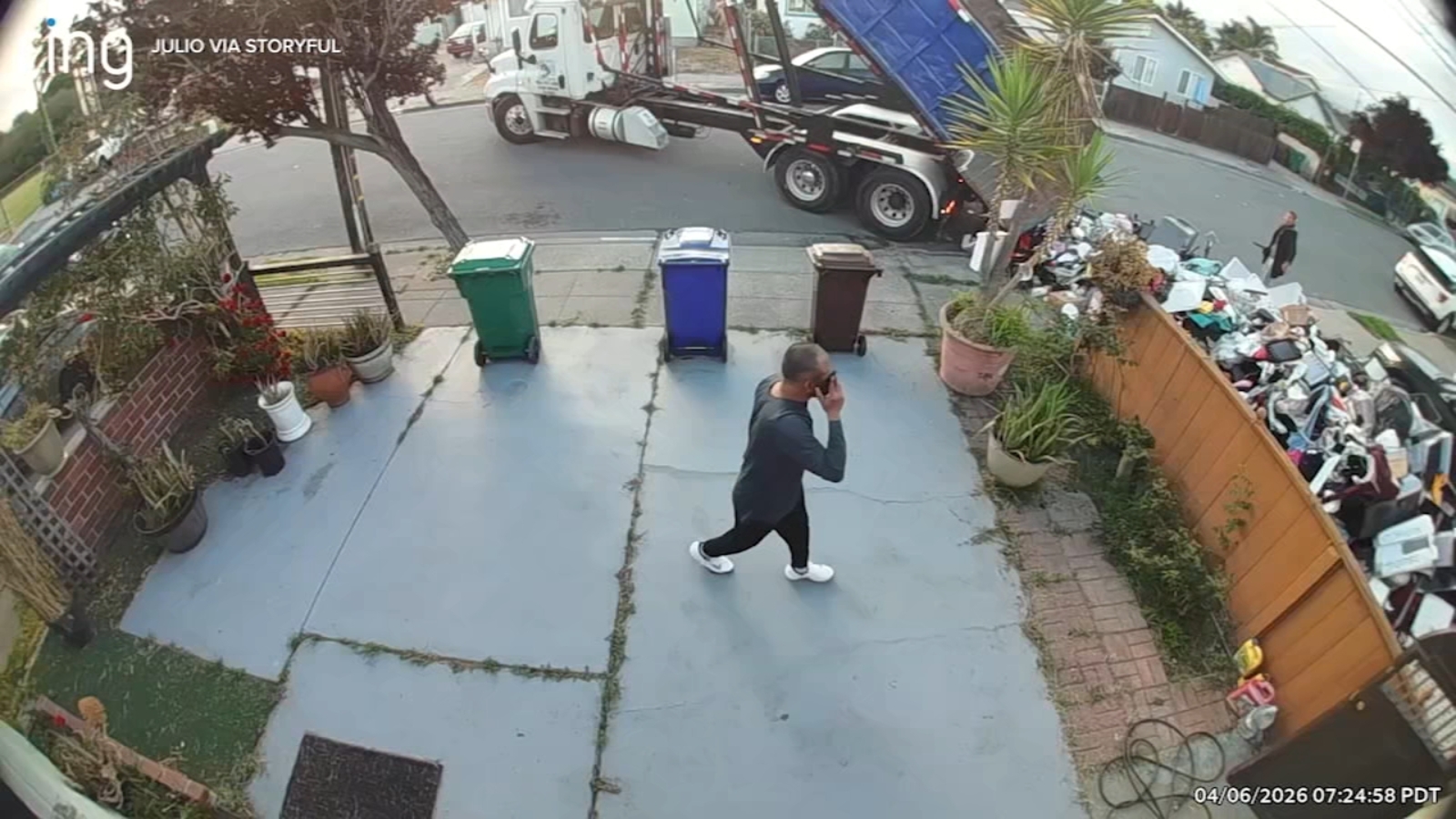
A bizarre dumpster payment dispute in San Pablo, California has gone viral after a dumpster rental company resorted to an extraordinary collection method: dumping the debris right back onto the customer’s yard. The incident, captured on a neighbor’s home security camera, has ignited a broader conversation about small business struggles, consumer responsibility, and the limits of self-help debt collection.
The story begins with a seemingly straightforward rental arrangement between Martin Perez, owner of Express Rental Dumpster, and a customer who rented a dumpster for a home cleanout project. What unfolded afterward has become a cautionary tale for both renters and rental companies navigating unpaid bills and broken promises.
What Happened in the San Pablo Dumpster Payment Dispute
According to local reporting, the situation escalated over several days rather than unfolding in a single dramatic moment. Perez told reporters that the customer repeatedly assured him payment was coming, yet the bill remained unsettled. The balance owed came to $700 , a significant amount for a small, independent rental operation.
“We don’t want to do it, but I’m tired,” Perez said, describing his mindset at the moment he made the controversial decision to retrieve the dumpster’s contents and return them to the property.
The tipping point reportedly came when Perez discovered what the customer had left behind on the receipt after vacating the home: two single dollar bills and a hand-drawn smiley face. For Perez, the gesture felt like a deliberate insult layered on top of an already frustrating financial loss.
The Cost of Doing Nothing
Perez explained that he faced an impossible financial equation. If he had simply hauled the debris to a proper disposal facility, he would have absorbed an additional $1,000 in costs on top of the $700 he was already owed. For a small business owner operating on thin margins, that kind of loss could be devastating.
The debris inside the dumpster included large appliances , items that are expensive to dispose of legally and require proper handling. Faced with the prospect of losing nearly $1,700 on a single rental, Perez said he felt he had “no other option” but to return the materials to their point of origin.
Community Reaction and Neighborhood Impact
While the original dispute involved only two parties, the consequences quickly rippled outward. A neighbor whose security camera captured the entire scene told local news outlet KGO that the situation had transformed from a private disagreement into a neighborhood problem.
“This is not just between the driver and the neighbor. This started affecting all the community,” the neighbor said. He pointed to a nearby creek and park where children regularly play, expressing concern about the health and safety implications of abandoned debris sitting in a residential yard.
As of mid-April, the debris had reportedly been sitting on the property for nine days. For residents living nearby, the lingering pile represented an ongoing eyesore and potential environmental hazard , not to mention a magnet for pests and scavenging animals.
Police Response and Legal Classification
San Pablo police confirmed they received reports about the illegal dumping incident. However, after reviewing the circumstances, officers determined that no criminal act had taken place. The case was referred to city code enforcement, which issued a violation notice addressed to the property owner listed on file.
This legal outcome raises important questions about how such situations are categorized. While the act of returning debris to someone’s yard might seem like vigilante justice or even harassment, law enforcement apparently viewed it through a different lens , possibly classifying it as a civil matter between two parties rather than a criminal offense.
The Business Owner’s Perspective
For small business owners in the service industry, stories like this one are far from unusual. Late payments, broken promises, and outright fraud represent a persistent challenge that can threaten the survival of independent operations.
Perez expressed genuine remorse about the situation, noting that his team took steps to clean up around the home to ensure debris didn’t spill into the street or onto the sidewalk. He emphasized that his goal was never to harm the community but rather to recover what he was owed.
“I feel bad because I don’t want to cause any issues,” Perez said. “But, sometimes, it’s hard doing this kind of work.”
His comments reflect the emotional toll that dumpster payment dispute situations take on entrepreneurs who often operate without the legal protections and collection resources available to larger corporations.
Why Small Rental Companies Are Vulnerable
Dumpster rental businesses operate in a particularly tricky space when it comes to payment enforcement. Unlike retail transactions where merchandise changes hands immediately, dumpster rentals involve:
- Significant upfront costs for equipment delivery and pickup logistics
- Variable final charges based on weight, fill level, and disposal fees
- Post-service payment risk where the customer may have already moved or disappeared
- Limited legal recourse for small balances that don’t justify attorney fees
For companies like Express Rental Dumpster, a single unpaid bill can represent the difference between profitability and operating at a loss for the month. The cumulative effect of multiple unpaid accounts can be financially crippling.
Lessons for Consumers Renting Dumpsters
This incident offers several important takeaways for anyone considering a dumpster rental for a home project:
- Understand the total cost upfront , Ask about all fees, including potential overage charges, before signing any agreement.
- Document the rental terms , Keep written records of what was agreed upon, including the rental period and final pricing structure.
- Communicate proactively , If you’re struggling to pay, reach out to the rental company before the situation escalates.
- Never ignore bills , Avoiding payment doesn’t make the debt disappear; it just makes the situation worse.
- Respect small businesses , Independent operators depend on timely payments to keep their businesses running.
The Right Way to Handle an Unpaid Dumpster Bill
For rental companies, this incident also serves as a reminder that while frustration is understandable, there are legal avenues for pursuing unpaid debts:
- Send formal written notices demanding payment within a specific timeframe
- File a claim in small claims court for amounts under the jurisdictional limit
- Use professional collection agencies that operate within legal boundaries
- Require deposits or credit card holds for future rentals from problematic customers
- Maintain detailed contracts with clear terms and conditions
The Broader Conversation About Debt Collection
This San Pablo incident taps into a wider national conversation about how debt collection should work in modern society. While most people would agree that businesses deserve to be paid for their services, the methods used to collect those payments matter significantly.
Returning debris to someone’s yard , even when they owe the money , raises questions about proportionality, legality, and community impact. The fact that neighbors, children, and local ecosystems were affected by the dispute illustrates how quickly private financial disagreements can become public problems.
Meanwhile, small business advocates point to incidents like this as evidence that the legal system often fails to provide meaningful recourse for entrepreneurs owed relatively small amounts. When the cost of legal action exceeds the debt itself, business owners can feel pushed toward unconventional self-help measures.
Moving Forward from the San Pablo Incident
The debris has since been cleaned up, and code enforcement has addressed the violation notice with the property owner. However, the underlying issues remain unresolved , at least publicly. It’s unclear whether Perez ever recovered the $700 he was owed or whether the customer faced any consequences beyond the embarrassment of having their non-payment broadcast across social media and local news.
For rental companies watching this story unfold, the incident serves as both a warning and a case study. While sympathy for Perez’s frustration is widespread, his chosen method of resolution exposed his business to potential legal liability, community backlash, and reputational damage , outcomes that may prove costlier in the long run than simply absorbing the loss.
Conclusion
The San Pablo dumpster payment dispute represents a collision between small business vulnerability and consumer irresponsibility, played out in the most dramatic way possible. While Perez’s frustration was legitimate and his financial loss was real, the decision to dump debris back onto a customer’s property created new victims , the neighbors, the children who play nearby, and the local environment.
This story ultimately underscores the importance of clear contracts, professional collection practices, and community-minded decision-making on both sides of any rental agreement. Whether you’re a business owner chasing an unpaid bill or a customer struggling with an unexpected charge, open communication and respect for the other party’s situation will almost always produce better outcomes than confrontation, avoidance, or revenge.
As this viral incident continues to circulate online, it stands as a vivid reminder that how we handle financial disagreements , even when we feel wronged , says a great deal about who we are and the kind of community we want to build.