
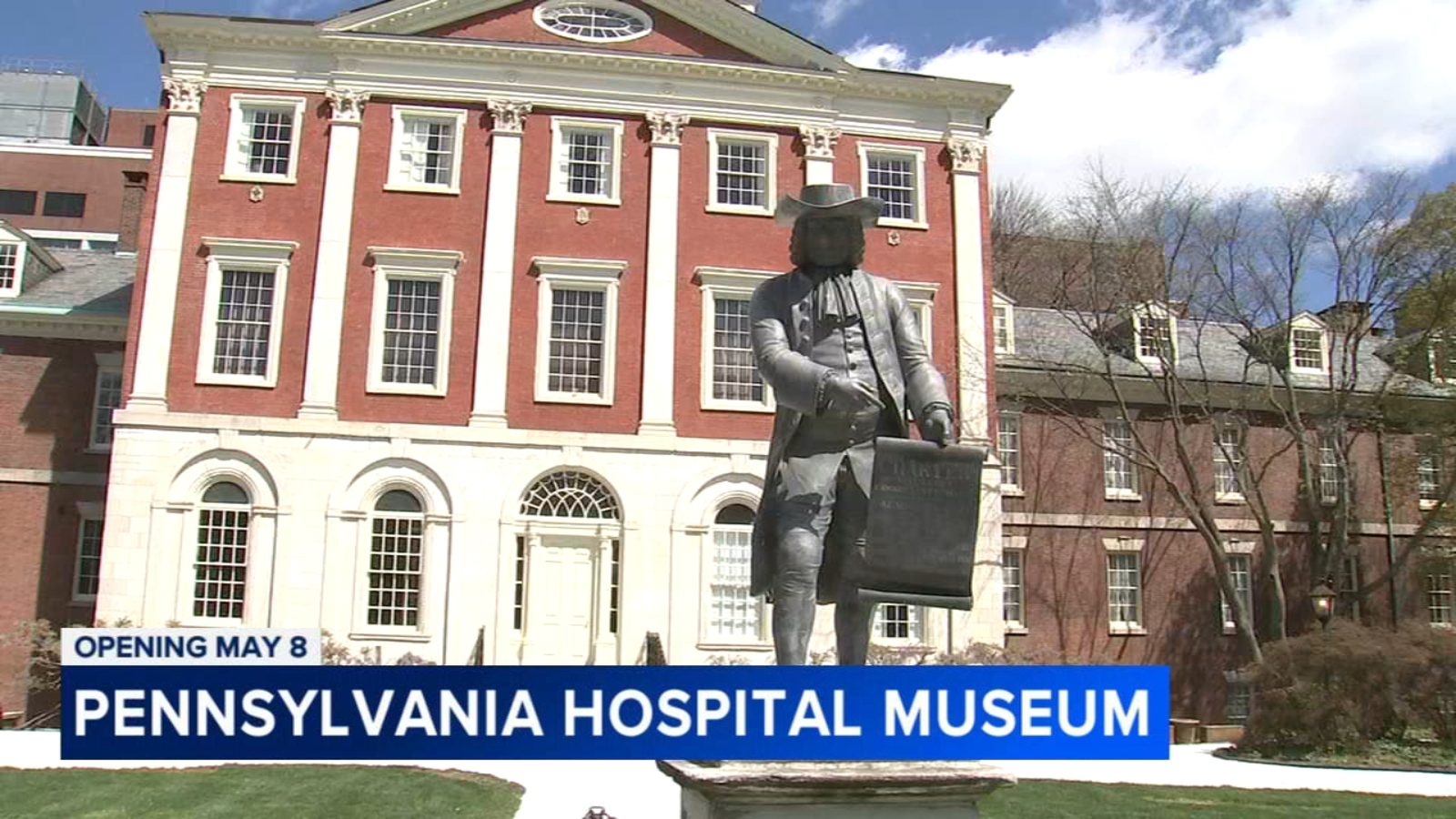
Stepping through the doors of the newly opened Pennsylvania Hospital Museum at 800 Spruce Street in Philadelphia feels less like visiting a museum and more like walking into a living time capsule. This spring, the nation’s oldest hospital unveiled a remarkable public space inside its original Pine Building, the very structure that accepted its first patients way back in 1756. As the institution celebrates 275 years of continuous service, this transformation invites history enthusiasts, medical professionals, students, and curious travelers to explore centuries of American healthcare, innovation, and untold stories preserved within these storied walls.
A Living Piece of American Medical History
Few buildings in the United States carry the kind of historical weight that the Pine Building does. Constructed in the mid-18th century and serving as the operational heart of Pennsylvania Hospital for more than two centuries, the structure functioned as an active medical facility until 1971. Rather than recreating or replicating the past, museum curators made a deliberate choice: preserve the authentic bones of the original building.
“You’re coming into the actual old hospital. We didn’t recreate the building. This is in fact the old historic structure,” explained Stacey Peeples, the hospital’s lead archivist, whose expertise and passion have guided the museum’s development.
This commitment to authenticity transforms a simple visit into something far more profound. Every floorboard, doorway, and stairwell carries echoes of the patients, physicians, and caretakers who shaped American medicine within these walls. Visitors aren’t simply observing history; they’re inhabiting it.
Eight Exhibits Spread Across Three Floors
The Pennsylvania Hospital Museum is thoughtfully organized into eight primary exhibits that unfold across three distinct levels. Each floor invites exploration, with displays designed to balance visual storytelling, archival depth, and emotional resonance.
Colonial-Era Artifacts
The earliest exhibits plunge visitors into the colonial period, when Pennsylvania Hospital first opened its doors during an era of powdered wigs, bloodletting, and rudimentary surgical tools. Carefully preserved artifacts offer glimpses into the medical practices, philosophies, and challenges of 18th-century healers. From hand-forged instruments to original apothecary containers, these objects reveal how far medicine has traveled in just a few centuries.
Revolutionary Medicine
One of the museum’s most compelling sections explores the hospital’s role during the American Revolution. As wounded soldiers and civilians sought treatment amid the chaos of war, Pennsylvania Hospital became a critical lifeline. Documents, letters, and medical records from this turbulent period demonstrate how the institution balanced its humanitarian mission with the practical demands of treating battlefield injuries and epidemic disease.
Modern Milestones
The narrative doesn’t end in the 18th century. Exhibits also bring visitors up to the present day, including coverage of the hospital’s involvement during the COVID-19 pandemic. This juxtaposition of colonial roots and contemporary crisis highlights a powerful theme: throughout every era of American history, this hospital has stood ready to serve.
The Surgical Amphitheater
Among the museum’s most breathtaking features is a restored surgical amphitheater that offers a haunting window into the evolution of surgical practice. Long before sterile operating rooms and anesthesia, surgeons performed procedures in front of observing medical students arranged in tiered seating. Standing in this space, visitors can almost hear the murmur of lectures and witness the slow, painful progress of medical knowledge advancing one procedure at a time.
A Library of 13,000 Medical Volumes
Tucked within the museum is a treasure trove for bibliophiles and medical historians alike: a library containing more than 13,000 volumes of medical journals, texts, and historical documents. This remarkable collection charts the intellectual development of medicine from colonial times through the modern era.
Researchers and casual visitors can browse through pages penned by pioneering physicians, read case studies from bygone centuries, and trace how diagnostic thinking evolved alongside scientific discovery. The library stands as a testament to the importance of recorded knowledge in advancing patient care.
Uncovering Forgotten Voices in the Log Books
Perhaps the most emotionally resonant section of the Pennsylvania Hospital Museum is the archive of old hospital log books. These unassuming ledgers contain far more than billing records and supply inventories. They hold the names, wages, and daily contributions of people whose stories have long been overlooked by conventional historical accounts.
“What’s so interesting is in here. This is where we find women and people of color,” Peeples noted. “This is where nurses and laundresses, and people who are coming in doing odd jobs for the hospital. They’re recorded in here because they’re all being paid.”
This archival detail offers a rare and powerful correction to historical omissions. Women who served as nurses, laundresses who kept the institution running, and people of color who labored in essential but often invisible roles are finally given their rightful place in the story. For visitors interested in social history, labor history, and the overlooked contributions of marginalized communities, this section is profoundly moving.
The Significance of Preserving Medical Heritage
Beyond its local importance, the Pennsylvania Hospital Museum carries national significance. Pennsylvania Hospital, founded in 1751 by Dr. Thomas Bond and Benjamin Franklin, holds the distinction of being the first hospital established in the American colonies. Its continuous operation for 275 years makes it not just a Philadelphia landmark but a cornerstone of American institutional history.
Museums dedicated to medical history play a vital educational role. They remind us that modern medicine, with all its technological sophistication, rests on centuries of trial, error, sacrifice, and incremental progress. They humanize the figures often reduced to textbook names and reveal the patients, families, and communities whose experiences shaped medical practice.
By opening this museum, Pennsylvania Hospital has made a generous gift to the public: access to an archive of human experience that spans wars, epidemics, scientific revolutions, and social transformations. The lessons embedded in these walls speak to anyone interested in how societies care for their sick, train their healers, and reckon with the ethical complexities of medicine.
Planning Your Visit
The Pennsylvania Hospital Museum opened to the public on May 8 at 9 a.m., kicking off what promises to be a celebrated addition to Philadelphia’s rich cultural landscape. The museum is located at:
800 Spruce Street
Philadelphia, PA 19107
Situated in the heart of historic Philadelphia, the museum is easily accessible and pairs well with visits to other nearby landmarks such as Independence Hall, the Liberty Bell, and the Betsy Ross House. Whether you’re a history buff, a medical professional, a student, or a family looking for an enriching day out, the museum offers something meaningful for every visitor.
For those interested in deeper research or group experiences, the library and archives likely offer expanded access options. Prospective visitors are encouraged to check the museum’s official resources for current ticket prices, guided tour schedules, and any special programming tied to the 275th anniversary celebrations.
A Must-See Destination for History Lovers
The opening of the Pennsylvania Hospital Museum marks a milestone in how America preserves and shares its medical heritage. Rather than relegating history to sterile display cases, this museum invites immersion, reflection, and connection across centuries. Visitors will leave with a renewed appreciation for the resilience of healers past and present, and a deeper understanding of how a single Philadelphia institution helped shape the trajectory of healthcare in the United States.
Whether you wander the colonial galleries, stand quietly in the surgical amphitheater, or trace the forgotten names recorded in aged log books, the experience promises to be both intellectually rewarding and deeply human. As Pennsylvania Hospital steps into its fourth century of service, its new museum ensures that the stories of those who came before will continue to inform, inspire, and challenge visitors for generations to come.