
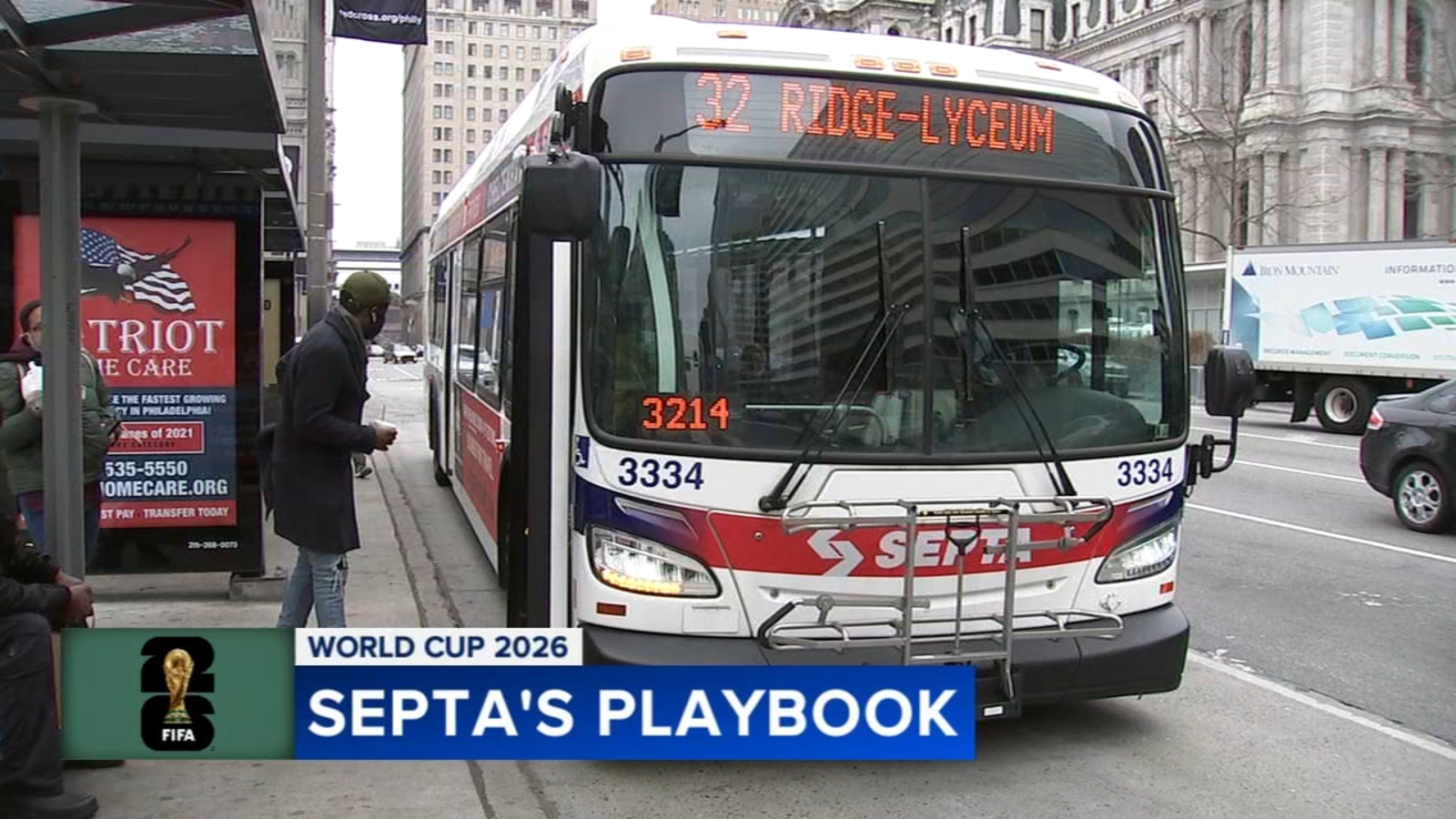
Philadelphia is on the brink of hosting one of the most significant sporting events in its history, and the city’s transit authority is leaving nothing to chance. As the FIFA World Cup 2026 approaches, SEPTA World Cup preparation has reached a fever pitch, with the agency mobilizing years of planning, hundreds of additional staff, and enhanced security measures to handle an expected surge of international visitors and fans.
SEPTA General Manager Scott Sauer has been at the helm of this massive logistical undertaking, and his confidence is palpable. The agency has spent years building what Sauer calls its World Cup “playbook,” tightening staffing plans and preparing for what will undoubtedly be an unprecedented transit test. When asked about the scale of the operation, Sauer put it simply: “It’s going to be all hands.”
A Transit System on High Alert
Philadelphia is slated to host six World Cup matches, with the real challenge beginning in just two weeks. To ensure adequate staffing during this critical period, SEPTA is limiting employee vacations and days off while simultaneously working to manage stress and prevent burnout among its workforce. This delicate balance reflects the magnitude of what’s at stake: millions of viewers worldwide and thousands of fans flooding into the city.
Security Measures Reimagined
Match days will look dramatically different from a typical day on Philadelphia’s transit system. SEPTA is deploying more than 100 officers across its network, and even on nonmatch days, police support will be visibly boosted. Some of this increased presence will be obvious to riders, while other deployments will be more strategic and less noticeable.
“It’ll look a lot different,” Sauer explained. “You may not notice it on some days, because we’ll be deployed in certain areas heavier than others.” The focus areas include:
- The stadium complex – the primary destination for match-goers
- Center City – the bustling heart of downtown Philadelphia
- Cecil B. Moore on North Broad Street – a key transit hub
- Parts of West Philadelphia – serving diverse neighborhoods and fan populations
Training and Technology: A Modern Approach
SEPTA isn’t relying solely on human personnel. The agency has ramped up training significantly, including police simulations conducted earlier this month. Additionally, SEPTA is expanding its “virtual patrol” system, a sophisticated civilian unit that monitors cameras throughout the network.
“They can not only see the station cameras, but they can also call up the onboard cameras and watch what’s going on inside the trains and inside the buses,” Sauer noted. This integration of technology allows for real-time monitoring and rapid response capabilities that were unimaginable just a decade ago.
To help visitors navigate the system, SEPTA has added more than 700 ambassadors throughout its network. These friendly faces will serve as guides for the influx of international tourists who may be unfamiliar with Philadelphia’s transit landscape.
Crowd Sizes That Dwarf the Norm
The numbers associated with the World Cup are staggering when compared to typical events. On an average Eagles game day, NRG Station serves between 15,000 and 20,000 riders. Sauer estimates that the World Cup could double or triple that figure, potentially bringing 30,000 to 40,000 passengers through the station complex alone.
“That’s a big number for us. Can we do it? Absolutely. We can,” Sauer declared with conviction. This confidence stems from experience handling major events, including the World Meeting of Families and the Eagles championship parade. However, Sauer is quick to acknowledge that the World Cup presents a fundamentally different challenge.
“For those events we had scheduled days,” he explained. “Here, because people are going to be traveling all day long… on nonmatch days, it’s going to be travel. People may travel to their favorite bar or restaurant.”
Beyond the Matches: The Fan Festival Factor
The action extends well beyond the stadium itself. To support FIFA’s free fan fest at Lemon Hill, SEPTA has strategically added service to bus routes 32 and 48, which run closest to the venue. This addition ensures that fans looking to soak in the atmosphere outside of match times have reliable transit options to reach one of the tournament’s most anticipated gathering spots.
Fares Stay the Same: A Fan-Friendly Move
In a move that’s sure to delight visitors and locals alike, SEPTA has confirmed that fares will remain unchanged throughout the tournament. This decision removes a significant barrier to accessibility and encourages public transit use over private vehicles, which will be crucial for managing traffic congestion in the city center.
Cleanliness and Rider Experience
Beyond security and capacity, SEPTA is also investing in the overall rider experience. The agency has increased station cleanings and scheduled frequent washdowns at heavily traveled locations throughout the tournament. This attention to detail ensures that the millions of visitors who pass through Philadelphia’s transit system will have a positive impression of the city.
What the World Cup Means for Philadelphia Transit
The FIFA World Cup represents more than just a series of soccer matches; it’s a global showcase that puts Philadelphia on the international stage. For SEPTA, this is both an enormous responsibility and a tremendous opportunity to demonstrate the capabilities of American urban transit on a world stage.
The transit authority’s comprehensive approach,combining increased staffing, enhanced security, technological innovation, customer service ambassadors, and operational flexibility,reflects lessons learned from past major events while adapting to the unique demands of an international tournament. The continuous nature of fan activity, with travelers moving throughout the city at all hours, requires a level of sustained readiness that differs from single-day events.
Looking Ahead
As the opening match approaches, Philadelphia stands ready. SEPTA’s meticulous SEPTA World Cup preparation efforts represent years of strategic planning coming to fruition at precisely the right moment. The deployment of over 100 security officers, the addition of 700-plus wayfinding ambassadors, the expansion of bus service to key fan destinations, and the commitment to maintaining existing fare structures all signal an agency that understands the stakes.
Whether you’re a local resident navigating the changes in your daily commute or an international visitor arriving for the first time in the City of Brotherly Love, Philadelphia’s transit system is prepared to move you safely, efficiently, and affordably. The World Cup may be the biggest sporting event Philadelphia has ever hosted, but thanks to SEPTA’s exhaustive preparation, getting around the city during the tournament promises to be one of the smoothest experiences for fans from around the globe.
The countdown is on, and Philadelphia’s transit future is looking brighter than ever,one ride at a time.