
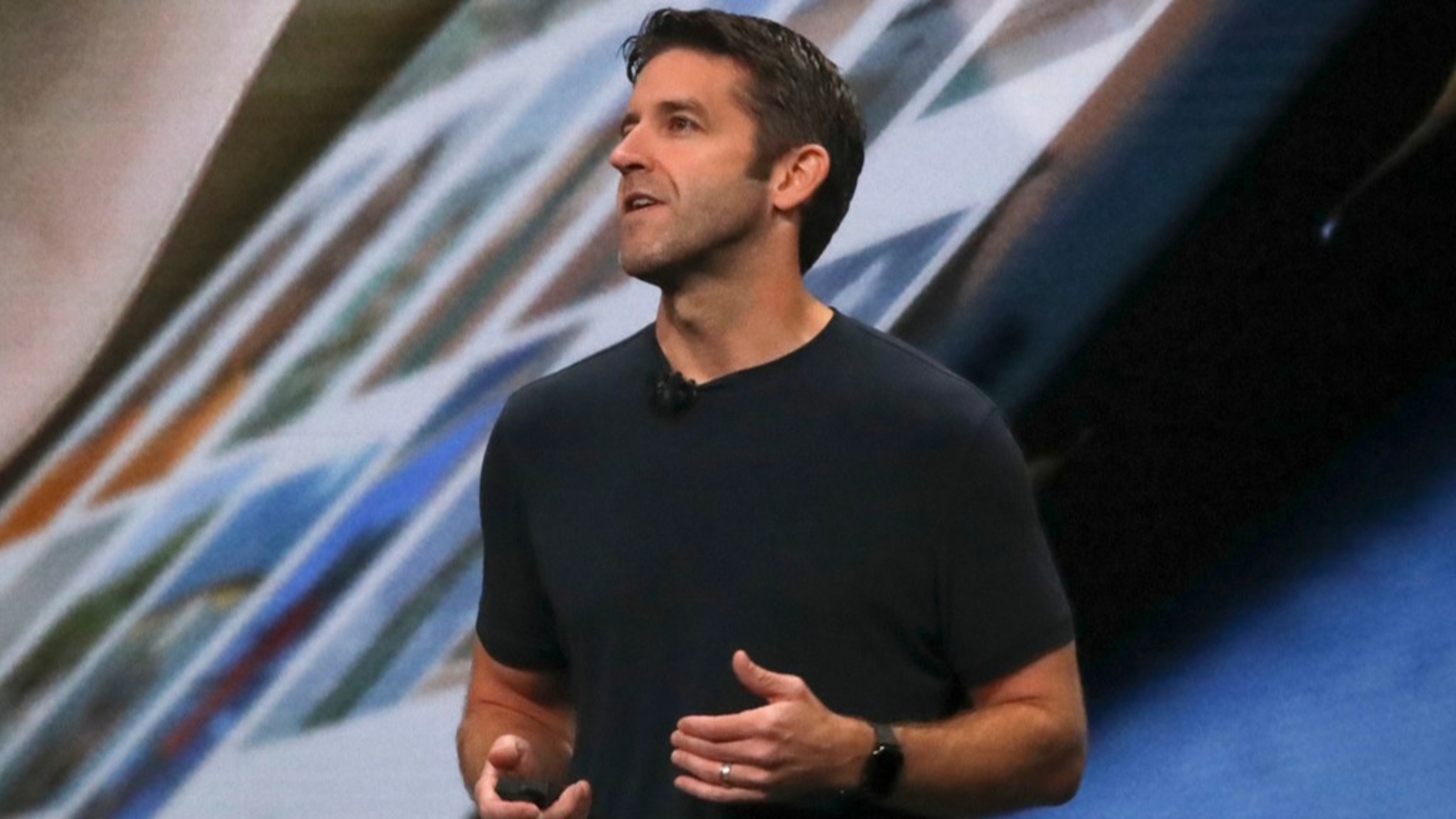
As John Ternus officially steps into the role of john ternus apple ceo, the technology world watches with anticipation and curiosity. After fifteen transformative years under Tim Cook’s leadership, Apple enters a new chapter with a leader whose engineering pedigree offers both promise and unique challenges. The transition comes at a time when the company’s $4.6 trillion valuation hangs in the balance and artificial intelligence reshapes every corner of the technology industry.
Ternus inherits a company that has grown into the most valuable corporation on Earth, largely thanks to the iPhone’s enduring dominance. Yet the path forward requires confronting obstacles that go beyond product design,strategic decisions in AI, geopolitical maneuvering, and cultural leadership all loom large for Apple’s incoming chief executive.
The Engineer Turned CEO
John Ternus’s rise through Apple’s ranks is a story of technical mastery and product passion. As a senior vice president of Hardware Engineering, Ternus has been directly responsible for some of Apple’s most celebrated products. His fingerprints appear on the Apple Watch, AirPods, and the ambitious Apple Vision Pro headset. This hands-on experience with hardware gives him credibility few executives could claim.
Yet becoming CEO demands more than engineering excellence. Ternus will need to expand beyond his comfort zone, balancing product innovation with shareholder expectations, regulatory scrutiny, and fierce competition. His first major public appearance as CEO will come at next week’s iPhone launch event at Apple’s Cupertino, California headquarters,a fitting stage for someone whose work has long been tied to the company’s flagship products.
The AI Imperative
Perhaps the most pressing challenge facing the new john ternus apple ceo is closing the artificial intelligence gap. The technology industry has experienced its most significant disruption since Steve Jobs revealed the first iPhone in 2007, with AI fundamentally reshaping how people interact with software. Apple stumbled in its initial AI rollout, having promised groundbreaking features nearly two years ago that materialized later than expected and with notable shortcomings.
Earlier this year, Apple unveiled new AI advances, including substantial upgrades to its Siri assistant. The company positioned these improvements around two principles: privacy and practical daily use. This approach reflects Apple’s longstanding commitment to on-device processing, but critics argue it has put the company behind rivals who embraced cloud-based AI more aggressively.
Siri’s Make-or-Moment
The upgraded Siri represents Apple’s bid to reclaim relevance in the AI race. With rivals like Google, Microsoft, and Samsung pushing aggressive AI integration, Apple needs to demonstrate that its privacy-first philosophy can coexist with state-of-the-art intelligence. For Ternus, the success or failure of these AI initiatives will define his early tenure.
Navigating Geopolitical Waters
Beyond product development, the john ternus apple ceo era will require sophisticated political navigation. Tim Cook spent years cultivating a working relationship with President Donald Trump, who publicly praised the outgoing CEO this week. That relationship proved essential as Apple confronted trade wars and tariff disputes that threatened its Asian manufacturing supply chains.
Cook built rare trust with political figures across administrations, an asset Apple cannot afford to lose. While Cook transitions to his new role as executive chairman, he is widely expected to help maintain crucial relationships with political leaders. Ternus, by contrast, must quickly develop the soft skills necessary to manage these diplomatic channels while running day-to-day operations.
Supply Chain Vulnerabilities
Apple’s dependence on Asian manufacturing has been both a strength and a strategic vulnerability. Tariff threats, labor disputes, and pandemic-era disruptions exposed how concentrated the company’s production lines remain. Ternus will need to evaluate whether diversification strategies,including expanded production in India and Vietnam,can provide resilience without compromising quality or margins.
Product Innovation Under New Leadership
Ternus’s hardware engineering background makes him uniquely qualified to evaluate Apple’s evolving product roadmap. The company has invested heavily in categories beyond the iPhone, including the Apple Vision Pro spatial computing platform. While the Vision Pro has faced commercial headwinds, the technology represents Apple’s bet on a post-smartphone computing paradigm.
The pending iPhone launch will serve as Ternus’s first major opportunity to demonstrate continuity and vision. Industry observers expect incremental but meaningful upgrades, with AI capabilities potentially taking center stage. How Ternus positions these products,balancing innovation with the polish that defines Apple’s marketing,will signal his strategic priorities.
What Tim Cook Leaves Behind
Cook’s 15-year tenure transformed Apple from a consumer electronics company into a services powerhouse and financial juggernaut. Under his leadership, Apple’s value skyrocketed to $4.6 trillion, revenue diversified through services like the App Store, Apple Music, and iCloud, and the iPhone ecosystem expanded into wearables and home products.
Tim Cook also pioneered Apple’s commitment to environmental sustainability and privacy as core brand values. These principles may constrain certain AI strategies but align with consumer expectations that Apple has spent years cultivating. The incoming CEO inherits not just a company, but a carefully constructed brand identity with both opportunities and obligations.
Looking Ahead: The First 100 Days
Industry analysts will scrutinize Ternus’s first decisions closely. Likely focus areas include:
- AI strategy acceleration: Whether to deepen partnerships, acquire AI startups, or expand internal research teams
- Services growth: Continuing the high-margin services expansion that has buoyed earnings
- Geopolitical positioning: Managing relationships with Washington and Beijing amid ongoing trade tensions
- Product pipeline: Deciding which experimental categories deserve continued investment
- Organizational culture: Maintaining Apple’s secretive, design-driven culture during a period of external pressure
The transition also raises questions about executive continuity. Apple has historically maintained deep bench strength, and Ternus’s promotion from within preserves institutional knowledge. However, no internal candidate arrives with experience navigating the political, regulatory, and competitive landscape as a public-facing CEO.
Conclusion
As John Ternus takes over as john ternus apple ceo, he inherits extraordinary assets and formidable challenges. His engineering credentials position him to lead product development, but his success will depend on dimensions beyond technical expertise. The artificial intelligence revolution demands swift, strategic responses. Geopolitical pressures require diplomatic finesse. Investor expectations demand continued growth. And Apple’s devoted user base expects the polish and innovation that have defined the brand for nearly five decades.
The coming years will reveal whether Ternus can guide Apple through this transformative period while preserving the qualities that made it the world’s most valuable company. With the iPhone launch just days away and AI development accelerating across the industry, the new CEO has little time to find his footing. The world will be watching to see how this engineering leader grows into one of business’s most demanding roles.