
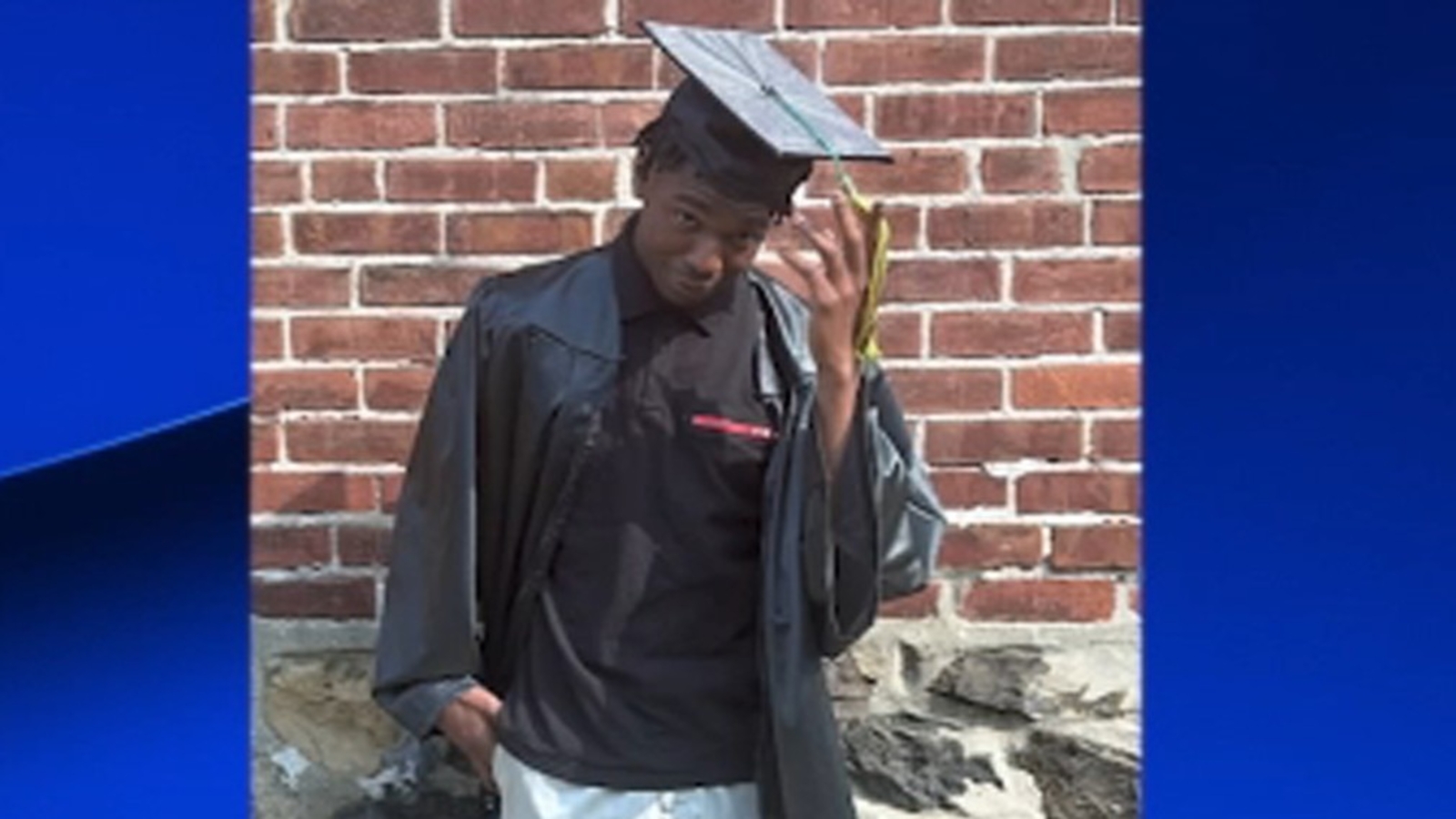
The Wilmington police shooting that claimed the life of 19-year-old Kadir Skinner late Wednesday night has left a family in mourning, a community demanding transparency, and investigators working to piece together the events of a fatal encounter near the intersection of 24th and Jessup streets.
As details continue to emerge, the grieving family of Skinner is challenging the official narrative released by authorities, insisting that their loved one was shot from behind while fleeing and was never armed. The case has quickly become a focal point for community advocates who are calling for accountability and the swift release of body camera footage.
The Night of the Shooting
According to the Wilmington Police Department, officers were monitoring a crowd in the area of 24th and Jessup streets when, at approximately 11:15 p.m. on Wednesday, Skinner allegedly emerged from a nearby residence and pointed a firearm at the gathering. Police claim Skinner then fled the scene, and an officer discharged their weapon during the ensuing encounter, striking the teenager.
Skinner was transported to a local hospital, where he was pronounced dead. The incident marked yet another deadly police-involved shooting in Delaware’s largest city, prompting an immediate response from local leaders and the state attorney general’s office.
Conflicting Accounts Emerge
The official police account has been met with skepticism from witnesses who were present at the scene. Several residents have come forward to dispute the department’s version of events, asserting that Skinner was unarmed at the time he was shot. According to these witnesses, the teenager was part of a large group that scattered when a dog unexpectedly appeared in the area, and it was during this chaotic moment that police opened fire.
The discrepancy between the police narrative and witness testimony has become central to the community’s demand for a thorough and transparent investigation. Family members have made clear that they will not accept the official account without supporting evidence.
A Father’s Pain and a Father’s Questions
Durrell Dollard, Skinner’s father, has emerged as a leading voice in the family’s quest for answers. Speaking through visible emotion, Dollard revealed that he overheard his son’s desperate cries during the encounter.
“I heard my son say I can’t breathe, I can’t breathe,” Dollard recalled, his voice heavy with grief.
Dollard has openly questioned the circumstances surrounding his son’s death, suggesting that the shooting was unjustified and that Skinner was targeted rather than engaged in any threatening behavior.
“My son was hunted. I feel like my son was hunted, to get shot in the back three times. Or two times. I don’t know,” he said. “All I know is my son is gone. The officer that shot my son gets to go home.”
His anguish reflects the deep sense of injustice felt by a family that believes their son was the victim of an unjustified use of force. The phrase “shot in the back” has become a rallying cry for those who question the actions of the officer involved.
The Mother Who Heard the Trauma Call
Perhaps the most heartbreaking detail in this tragedy is the experience of Skinner’s mother, Rashai Skinner. A hospital worker, she was on duty the night her son was shot, unaware that the trauma call her team received was for her own child.
Rashai arrived at the scene still dressed in her hospital scrubs from the previous night’s shift, her face etched with disbelief and sorrow. Her appearance became a powerful image of the human cost of police violence, and her words resonated with families across the country who have experienced similar losses.
“I want transparency on what happened to my son. I’m not ok. Kadir Skinner,” she stated.
Her presence at the gathering of grieving relatives , alongside Skinner’s grieving sister and a crying niece who was comforted by another loved one , painted a vivid picture of a family suddenly and irrevocably shattered.
Community Voices Join the Chorus
The shooting has not only affected the Skinner family but has reverberated throughout the broader Wilmington community. Local faith leaders and advocates have stepped forward to express their concerns and lend their voices to the call for accountability.
Pastor Derrick Johnson addressed the heightened tensions in the neighborhood, pointing to the officer’s history within the community as a source of additional concern.
“One of the reasons this particular shooting created such an outcry in the community is because this officer is known to the community and not in a positive way,” Johnson explained.
This characterization underscores the complex relationship that can exist between law enforcement and the communities they serve, particularly in neighborhoods that have historically experienced higher rates of police interactions. The pastor’s comments suggest that this incident is not isolated but is part of a larger pattern of community-police tension.
Calls for Transparency and Evidence
The Skinner family has made several specific demands as the investigation moves forward. Among their most pressing requests is the release of body camera footage from the officers involved in the shooting. Such footage, they believe, will provide a clear and objective record of what occurred in the moments leading up to the fatal encounter.
In addition to the body camera evidence, the family is also seeking the release of the complete autopsy results. The forensic findings will be critical in determining the number of times Skinner was struck, the trajectory of the bullets, and ultimately whether the use of force was justified given the circumstances.
- Body camera footage from officers at the scene
- Complete autopsy results detailing the cause and manner of death
- Independent witness testimony corroborating the family’s account
- A transparent investigation by an impartial authority
The Investigation Continues
In the immediate aftermath of the shooting, the officer involved was placed on administrative leave, a standard protocol in officer-involved shootings. The Delaware State Attorney General’s office has taken over the investigation, which is standard practice for fatal police encounters in the state.
While the investigation remains ongoing, the community’s patience is wearing thin. Many residents feel that such investigations often take too long and produce conclusions that fail to address the concerns of those most affected by the tragedy. The Skinner family has indicated they will continue to apply pressure until they receive the answers they deserve.
The Role of Independent Oversight
The case highlights ongoing conversations about the importance of independent oversight in police-involved shootings. When local departments investigate their own officers, public trust can be eroded, particularly in communities that have historically experienced strained relationships with law enforcement. The involvement of the state attorney general’s office is intended to address these concerns, though critics argue that even state-level investigations can lack the transparency needed to fully restore community confidence.
A Broader Conversation About Policing
The Wilmington police shooting of Kadir Skinner is part of a national conversation about policing, accountability, and the use of force. Across the country, communities are grappling with similar incidents that have raised difficult questions about how law enforcement officers interact with the public, particularly with young people in high-crime areas.
For advocates of police reform, cases like this one underscore the need for comprehensive changes, including:
- Mandatory body camera usage with clear policies on footage release
- Enhanced de-escalation training for officers
- Independent prosecution of officer-involved shootings
- Improved community-police relations through transparency and engagement
- Mental health and crisis intervention resources to reduce violent encounters
What Happens Next
As the investigation progresses, several key developments will be closely watched by the Skinner family, community advocates, and the broader public. The release of body camera footage would mark a significant step toward transparency, though such releases are often delayed or contested in legal proceedings.
The autopsy results will provide crucial forensic evidence that may either support or contradict the official police account. Combined with witness testimony and any physical evidence collected from the scene, investigators will work to construct a comprehensive timeline of the events leading up to Skinner’s death.
Meanwhile, the family and community will continue to gather, grieve, and advocate for change. Vigils, public meetings, and peaceful demonstrations are likely as the case develops and the search for truth continues.
Conclusion: A Family’s Fight for Justice
The fatal Wilmington police shooting that took the life of 19-year-old Kadir Skinner represents more than a single tragic incident , it embodies the ongoing struggle of families across America who seek truth, accountability, and justice in the wake of police-involved deaths. As Skinner’s parents, siblings, and extended family navigate their grief, they are simultaneously fighting to ensure that their son’s death is not dismissed or forgotten.
The calls for body camera footage, autopsy results, and a transparent investigation are not unreasonable demands , they are the foundation of a justice system that must work for everyone. Until these answers are provided, the Skinner family, the Wilmington community, and advocates everywhere will continue to ask the difficult questions that this case demands.
Kadir Skinner’s life mattered. His family’s pursuit of the truth reflects a broader hope that no other family should have to endure such unanswered questions, and that every life lost to police action deserves a thorough, fair, and public examination of the circumstances surrounding its end.