
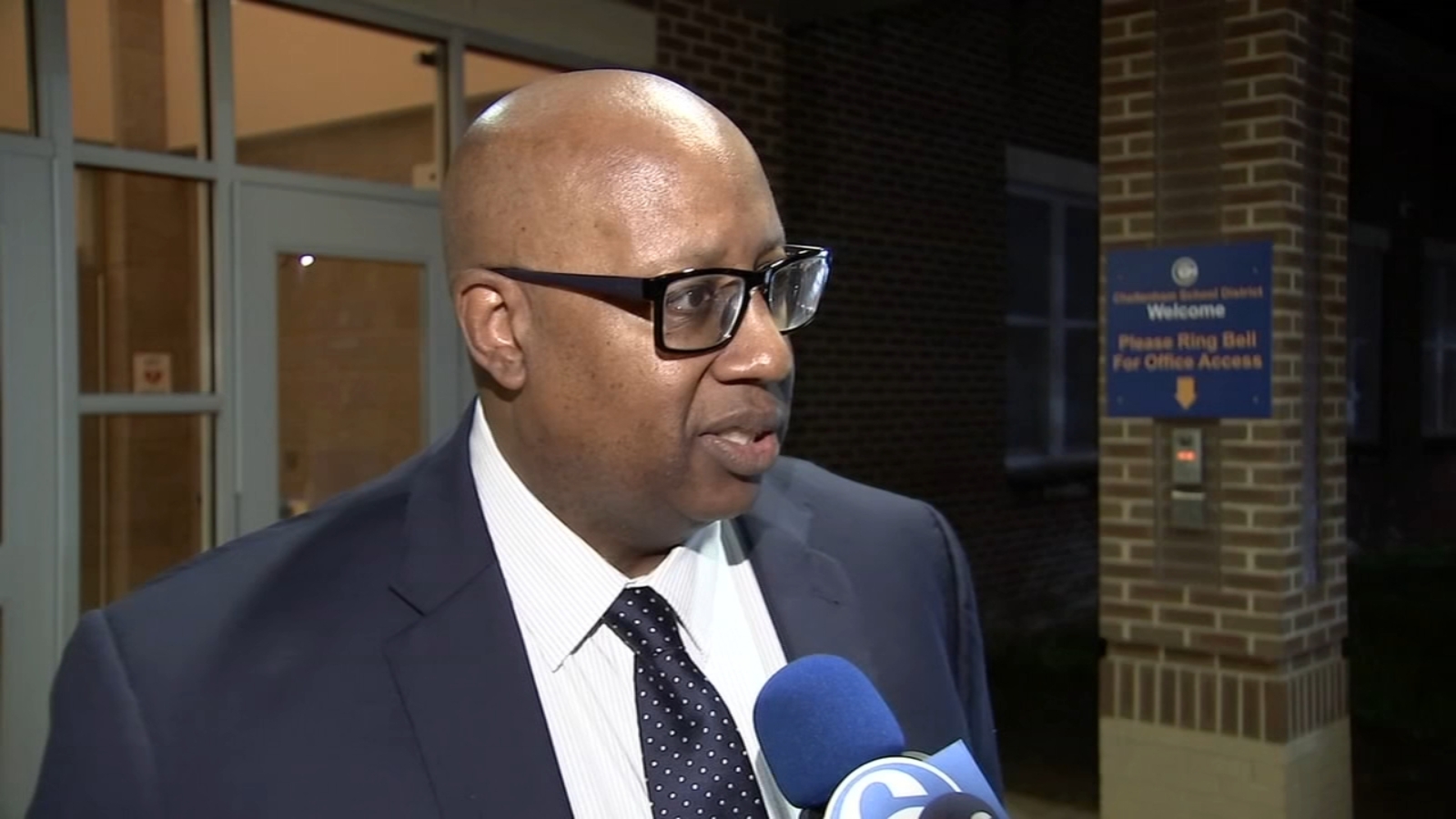
The Cheltenham superintendent resignation has sent ripples through this Montgomery County, Pennsylvania community. Dr. Brian Scriven, who led the Cheltenham School District, stepped down from his position effective immediately, citing the need for “a fresh start under new leadership” amid an ongoing investigation into a disturbing hazing incident involving the Cheltenham High School football program.
The decision marks a dramatic turning point for a district now grappling with serious allegations of misconduct, criminal indictments of former coaches and players, and difficult questions about oversight, accountability, and the welfare of student-athletes. In this article, we’ll examine what happened, the reasoning behind Dr. Scriven’s departure, and what lies ahead for the Cheltenham School District.
Background on the Cheltenham High School Football Hazing Investigation
The controversy that ultimately led to the Cheltenham superintendent resignation traces back to a single incident in September of last year. A 15-year-old sophomore reported being “jumped” by teammates inside the Cheltenham High School locker room, an allegation that triggered both an internal investigation and, eventually, criminal proceedings.
The Alleged Locker Room Incident
According to reports, the sophomore football player described a violent encounter in which he was ambushed by members of his own team. The term “jumped” carries significant weight in the context of school athletics, where hazing rituals have long been a dark undercurrent beneath the surface of team culture.
Hazing in high school sports is not a new phenomenon, but the severity of the alleged incident in this case prompted authorities to take the matter seriously. School officials launched an investigation almost immediately, and the case eventually escalated to a grand jury review, signaling that prosecutors believed criminal charges could be warranted.
The original incident sparked concern not only because of the apparent violence involved but also because it raised questions about what coaches, administrators, and other students may have known,or should have known,about the team’s internal dynamics.
Grand Jury Indictments Shake the Community
In a development that intensified public scrutiny, a grand jury indicted four former football coaches and six players in connection with the hazing allegations. The indictments represented a rare instance in which adults,those entrusted with mentoring and protecting young athletes,faced formal criminal charges for their alleged role in a hazing scandal.
The charges sent a strong message about the legal consequences of tolerating or participating in hazing activities. For the Cheltenham School District, the indictments placed enormous pressure on administrators to demonstrate accountability and transparency.
Dr. Brian Scriven’s Resignation Announcement
Dr. Brian Scriven’s departure comes at a critical moment for the district. In a formal letter addressed to members of the Board, the outgoing superintendent explained his reasoning with both emotional weight and pragmatic clarity.
A Heartfelt Letter to the Board
“It is with a full heart and after considerable reflection that I submit my resignation as Superintendent of the Cheltenham School District, effective immediately,” Dr. Scriven wrote. His words reflected months of deliberation, not a hasty decision made in the heat of controversy.
The phrase “a fresh start under new leadership” became the central theme of his announcement. By framing his resignation as an act of service to the community rather than an admission of failure, Dr. Scriven sought to position his departure as a strategic move toward healing and renewal.
A Personal Connection to Cheltenham
What made Dr. Scriven’s resignation particularly poignant was his deep personal connection to the district. As a graduate of Cheltenham High School himself, he framed his role not as a job but as a calling rooted in gratitude for the education and community that shaped his own life.
“To have had the opportunity to lead the district that first opened doors for me has meant more than words can fully express,” he wrote. This biographical detail humanized a story that had otherwise been dominated by legal proceedings and institutional accountability questions.
His letter closed with thanks to the Board, faculty, staff, and broader Cheltenham community, signaling that despite the difficult circumstances, he departed with respect and appreciation for those he worked alongside.
Implications for the Cheltenham School District
The Cheltenham superintendent resignation raises important questions about leadership transitions, institutional responsibility, and the path forward for a school district suddenly thrust into the national spotlight.
Searching for New Leadership
School boards across the country face unique challenges when filling superintendent vacancies, but the circumstances surrounding this particular transition are unusually complex. The next leader of the Cheltenham School District will inherit:
- An ongoing criminal case involving former coaches and student-athletes
- A community demanding transparency and meaningful reform
- Concerned parents questioning the safety of extracurricular programs
- A football program in need of cultural overhaul
- Staff and students seeking stability after months of upheaval
The Board of School Directors now faces the enormous responsibility of conducting a thorough search process that prioritizes candidates with proven track records in crisis management, student welfare, and athletic program oversight.
Reforming Athletic Culture
Beyond leadership changes, the broader Cheltenham high school football hazing scandal has prompted calls for systemic reform. Hazing thrives in environments where supervision is lax, where team loyalty is prioritized over individual safety, and where reporting mechanisms fail to protect victims.
Educational experts and child advocacy organizations have long argued that comprehensive anti-hazing policies must include:
- Clear written policies with explicit definitions of prohibited conduct
- Mandatory training for coaches, players, and parents
- Anonymous reporting systems that protect whistleblowers
- Enforcement mechanisms with real consequences
- Annual culture audits of athletic programs
Whether the district will implement such reforms remains to be seen, but the pressure to act has rarely been greater.
Broader Context: Hazing in Pennsylvania High School Sports
The Cheltenham case is not an isolated incident. Across Pennsylvania and the nation, schools continue to grapple with hazing traditions that have persisted for generations. Football programs, in particular, have been the focus of numerous investigations, with incidents reported in states from Massachusetts to California.
Legal experts note that criminal prosecutions of coaches,rather than just students,represent an important shift in how society views adult responsibility for hazing incidents. When coaches fail to prevent, report, or address hazing within their programs, they can face charges ranging from misdemeanor assault to felony offenses depending on the severity of harm.
The grand jury indictments in this case signal that Pennsylvania prosecutors are willing to pursue serious charges against both adult and juvenile offenders when hazing crosses the line into criminal conduct.
Community Response and Next Steps
Reactions within the Cheltenham community have been mixed. Some residents have praised Dr. Scriven for taking responsibility and stepping aside to allow for new leadership. Others have criticized the move as too little, too late, arguing that administrators should have been more proactive in identifying and addressing the cultural problems within the football program long before criminal indictments were handed down.
For parents of current Cheltenham High School students, the immediate concerns are practical: ensuring their children remain safe in school-sponsored activities, understanding what changes will be implemented, and rebuilding trust in the district’s leadership.
Conclusion
The Cheltenham superintendent resignation represents more than the departure of a single administrator,it marks a watershed moment for a district confronting painful truths about its athletic programs and institutional culture. Dr. Brian Scriven’s decision to step down, framed in his letter as an act of stewardship rather than surrender, will be debated for years to come.
What is clear is that the path forward will require committed leadership, comprehensive reform, and a community willing to engage in difficult but necessary conversations about student safety and accountability. The legal proceedings against former coaches and players will continue to unfold in the courts, but the work of healing and rebuilding trust within the Cheltenham School District has only just begun.
As Cheltenham moves into this new chapter, the eyes of educators, parents, and policymakers across the country will be watching. The lessons learned here may well shape how other districts address the persistent challenge of hazing in high school athletics for years to come.
