
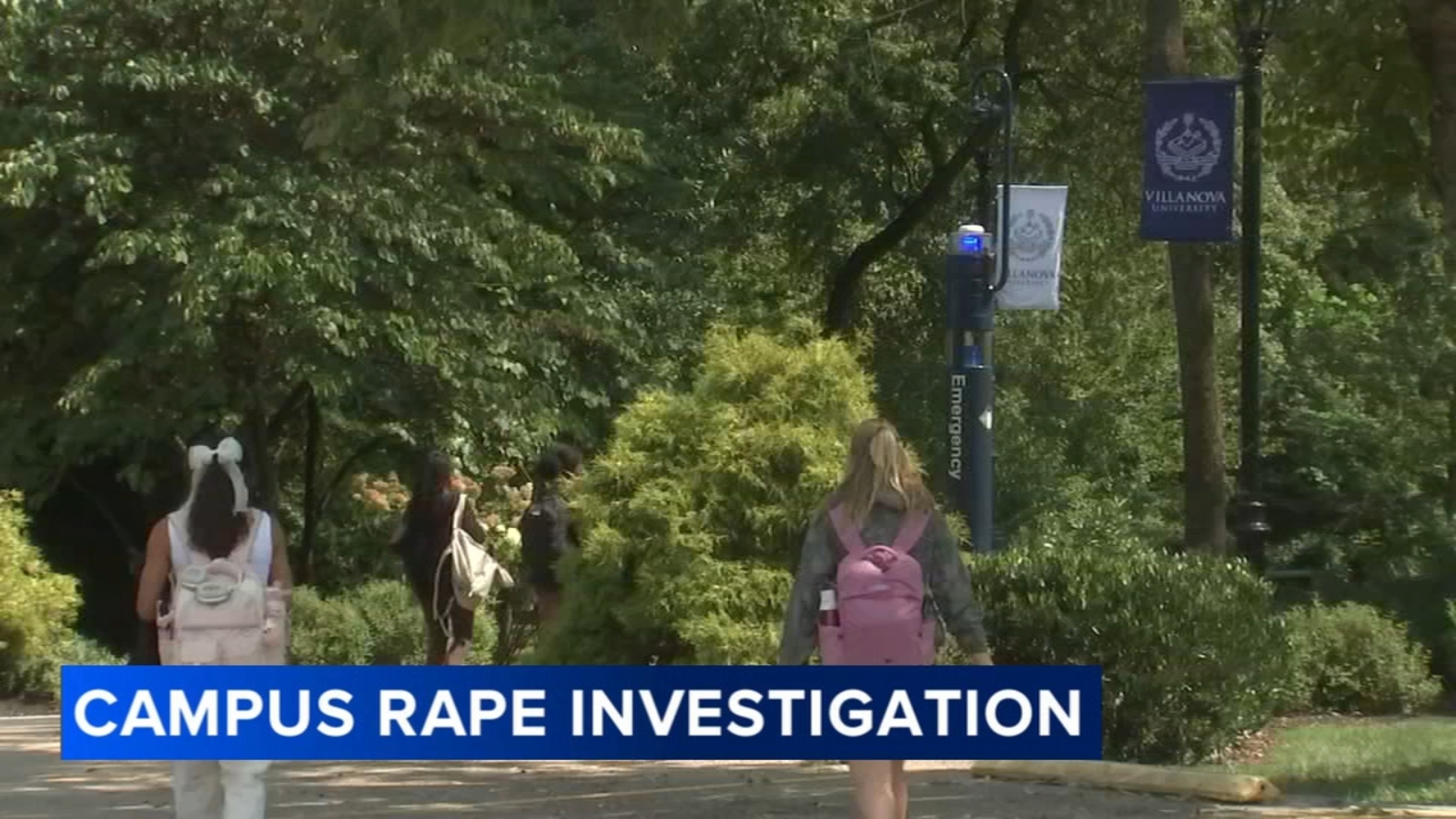
A reported Villanova campus rape has prompted an active investigation by local law enforcement and a safety alert from university officials. The incident, which the student reported occurred in an on-campus residence hall over the weekend, has raised serious concerns within the Villanova University community and beyond. As details continue to emerge, both authorities and administrators are working to address the situation while providing resources to support survivors of sexual violence.
The reported assault took place on Saturday, though the victim came forward to report it days later. According to information shared in a safety alert letter distributed to the Villanova community on Tuesday, the incident occurred in a University residence hall. Officials have confirmed that the victim and the suspect are known to each other, and the suspect is reportedly not a Villanova student.
Official Response from Villanova University
In response to the reported Villanova campus rape, school administrators issued a formal safety alert to students, faculty, and staff. The communication emphasized the university’s zero-tolerance stance on sexual misconduct and outlined available resources for those affected.
“Sexual assault is a violation of University policy and the law. All forms of sexual misconduct, including sexual assault, sexual harassment, sexual exploitation, dating/domestic violence and stalking, are not tolerated at Villanova,” the alert stated.
The university’s response reflects broader institutional policies designed to address campus sexual assault and support victims. Villanova officials also shared information about prevention strategies and victim support services, encouraging community members to remain vigilant and report any concerning behavior they may witness.
Police Investigation Underway
Local police are actively investigating the reported incident as part of a broader college safety effort. While the suspect is not affiliated with the university, the case is being treated with the seriousness that all sexual assault allegations deserve. Investigators are working closely with the victim and gathering evidence to pursue the matter through the criminal justice system.
The case highlights the complex nature of sexual violence on college campuses, where incidents frequently involve individuals known to one another. According to national data, the majority of sexual assaults on college campuses are committed by someone the victim knows, whether a classmate, friend, acquaintance, or in this case, an outside individual with a prior connection.
Understanding Campus Sexual Assault: A Broader Context
The reported Villanova campus rape is part of a wider conversation about sexual violence in higher education. Statistics from the National Sexual Violence Resource Center indicate that one in five women and one in 16 men are sexually assaulted while in college, making this an issue that affects institutions nationwide.
Why College Campuses Are Particularly Vulnerable
Several factors contribute to the elevated risk of sexual misconduct on college campuses:
- Social environments that often involve alcohol and parties
- New independence for many students living away from home for the first time
- Peer pressure and social dynamics that can discourage reporting
- Privacy of residence halls and limited supervision
- Cultural factors that may normalize certain behaviors
Universities have responded to these challenges by implementing comprehensive prevention programs, improving reporting procedures, and expanding support services for survivors.
Resources for Survivors of Sexual Violence
In the wake of the reported Villanova campus rape, university officials shared multiple resources to assist victims and prevent future incidents. These resources typically include both on-campus and off-campus options:
On-Campus Support Services
Most universities, including Villanova, offer confidential resources such as:
- Counseling centers staffed with licensed professionals trained in trauma response
- Health services that can provide medical care and forensic examinations
- Title IX offices that handle formal complaints and coordinate institutional responses
- Victim advocates who help survivors navigate reporting and recovery processes
- Academic accommodations for students whose studies have been impacted by trauma
Off-Campus and National Resources
Survivors can also access support through organizations including:
- RAINN (Rape, Abuse & Incest National Network) National Sexual Assault Hotline: 1-800-656-HOPE
- Local rape crisis centers and victim advocacy organizations
- Legal aid services for those pursuing criminal or civil action
- Mental health professionals specializing in trauma recovery
Reporting Procedures and Campus Safety
Following the reported incident, Villanova Public Safety reminded community members of their emergency contact line at 610-519-4444. The university encourages anyone who witnesses concerning behavior to report it immediately, reinforcing that early intervention can prevent violence.
What Happens When You Report
Understanding the reporting procedures can help survivors make informed decisions. When someone reports sexual assault on a college campus, several things typically happen:
- Immediate safety planning to ensure the victim is protected
- Medical attention, including forensic examination if desired
- Investigation by campus Public Safety and local police
- Title IX proceedings that may run parallel to criminal investigation
- Ongoing support services provided throughout the process
Survivors have the right to choose whether or not to involve law enforcement, and universities are required to investigate regardless of criminal proceedings under Title IX regulations.
Prevention and Community Responsibility
The reported Villanova campus rape underscores the importance of community-based sexual violence prevention efforts. While universities bear significant responsibility for creating safe environments, prevention requires engagement from all community members.
Bystander Intervention
Bystander intervention programs train community members to recognize warning signs and safely intervene in potentially dangerous situations. These programs teach skills such as:
- Recognizing situations that could lead to sexual violence
- Intervening safely and effectively
- Supporting survivors after an incident
- Challenging cultural norms that enable violence
Consent Education
Comprehensive consent education is another critical component of prevention. Clear communication about boundaries, enthusiastic agreement, and respect for autonomy form the foundation of healthy relationships and safe campus communities.
Moving Forward: Supporting Survivors and Preventing Future Incidents
The investigation into the reported Villanova campus rape continues as of the latest available information. For the survivor and the broader community, this incident serves as a painful reminder of why continued vigilance, robust support systems, and cultural change remain essential.
Universities across the country are continually refining their approaches to campus sexual assault prevention and response. Improvements in recent years have included mandatory prevention education, expanded counseling services, trauma-informed reporting processes, and stronger accountability measures through Title IX enforcement.
However, lasting change requires more than institutional policy. It requires a collective commitment to challenging harmful behaviors, supporting survivors without judgment, and fostering campus cultures where sexual violence is never tolerated, minimized, or ignored.
How Community Members Can Help
Everyone in the Villanova community,and college communities broadly,can contribute to a safer environment by:
- Taking sexual violence prevention training seriously
- Believing and supporting survivors who come forward
- Reporting concerning behavior to appropriate authorities
- Challenging language and attitudes that normalize violence
- Checking in on friends and community members
- Participating in awareness events and educational programming
Conclusion
The reported Villanova campus rape represents both an individual tragedy and a call to continued action. As the investigation proceeds, the university’s response and the community’s reaction will play crucial roles in supporting the survivor and preventing similar incidents in the future. By combining institutional resources, community engagement, and cultural change, colleges and universities can work toward environments where all students can live, learn, and thrive free from the threat of sexual violence.
Anyone with information related to this incident is encouraged to contact Villanova Public Safety at 610-519-4444. Survivors of sexual violence,whether connected to this case or not,are reminded that support is available, confidential, and free from judgment. Healing is possible, and no one should have to navigate trauma alone.