
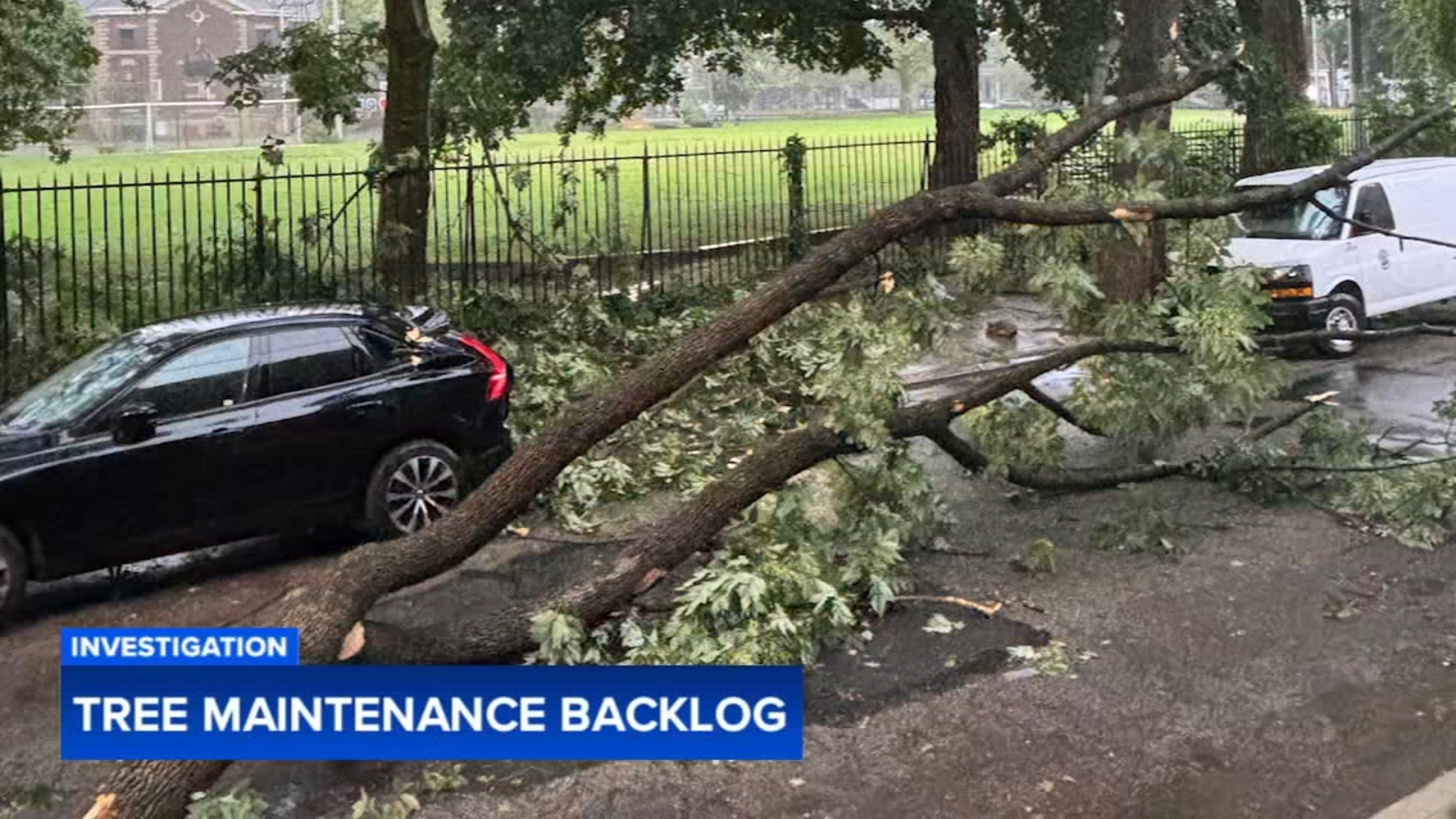
Philadelphia is grappling with a serious tree maintenance backlog that has residents across the city on edge, watching their streets with growing unease as aging trees continue to pose risks to homes, vehicles, and personal safety. City officials confirm what many Philadelphians have suspected for years: the system for caring for the urban tree canopy is overwhelmed, underfunded, and heavily reliant on residents to sound the alarm before disasters strike.
A Five-Year Wait for Pruning and Removal
According to the Philadelphia Department of Parks and Recreation, the city faces a backlog that stretches roughly five years into the future. Thousands of street trees across Philadelphia need either significant pruning or complete removal, yet the resources to address these hazards have not kept pace with the demand. The result is a patchwork response that often arrives only after property damage has already occurred.
City Forester Erica Smith Fichman, who took on the newly created role in 2023, has been candid about the scope of the challenge. She estimates that approximately 25,000 trees require pruning, with only about 1,700 of those scheduled for attention this year. On top of that, roughly 3,500 trees need to be removed entirely, a number that continues to climb as new reports come in daily.
“It’s a moving target,” Smith Fichman explained during recent budget discussions. “Every single day we learn about more things that need to be done.”
Why the Backlog Keeps Growing
The root of the problem lies in both funding and methodology. Currently, Philadelphia depends almost entirely on resident-reported complaints rather than conducting its own proactive inspections to identify hazardous trees. This reactive approach means that dangerous trees often go unnoticed until a limb crashes down or a trunk begins to lean ominously over a sidewalk.
Smith Fichman has acknowledged that transforming this system into a proactive inspection model is one of her top priorities. She envisions a city forestry program that can identify problems before residents have to call 311, but acknowledges that doing so will require substantial new investment.
The Brewerytown Neighborhood: A Cautionary Tale
Nowhere is the human cost of this tree maintenance backlog more visible than on the 1400 block of Jefferson Street in Brewerytown. Residents there have experienced not one, but multiple incidents involving falling trees and limbs, leaving families frustrated, angry, and fearful about what might come next.
Lauren Dye Netti, a neighborhood resident, has felt the impact personally. A tree limb crashed near the fence line of the Athletic Recreation Center and destroyed her car last year. Then, in early May, another massive tree toppled over on a sunny, calm day, damaging three homes on the block.
“These trees are very old; we warned the city before,” said Amira Zahir, one of the affected homeowners whose SUV was also damaged. “My house was injured and my car was destroyed.”
Dye Netti expressed her exasperation plainly: “I just wish the city knew these trees are huge and dangerous.”
A Tree “Waiting to Fall”
Perhaps the most troubling aspect of the May incident is that residents say they knew the tree was dead long before it collapsed. Complaints had been filed with Parks and Recreation for months, and Dye Netti described the situation in stark terms: “It was a tree that we knew was dead. We were basically waiting for it to fall.”
Smith Fichman confirmed that the tree had been inspected and was determined to be safe at the time, but the outcome has only deepened the sense of distrust between the neighborhood and city officials. “It is scary,” she acknowledged. “This is why we talk about maintenance as trust building and trying to get out.”
The Funding Gap: A Looming Obstacle
The financial picture behind Philadelphia’s street tree pruning and removal efforts paints a stark contrast between what is needed and what is currently allocated. During recent City Council budget hearings, Smith Fichman revealed that the street tree maintenance budget sits at approximately $800,000, a fraction of what experts say is required.
Her estimates suggest the city would need:
- $5 million for pruning to clear the existing backlog
- $3 million for tree removal to address the most hazardous cases
Even these figures come with a significant caveat. Smith Fichman was quick to point out that the estimates are based on what the city knows from resident requests, not on a comprehensive, proactive inspection of the entire tree canopy. The true cost could be considerably higher once a full assessment is conducted.
“It is an estimate based on what we know is out there, based on requests,” she told Council members. “It is not an estimate of what we know is based on our own proactive inspection.”
Staffing Shortages Compound the Problem
Beyond dollars, the city also lacks sufficient personnel to handle the workload. Adding trained arborists and support staff would be essential to any meaningful expansion of tree maintenance operations, but doing so would require sustained budget commitments that go beyond a single fiscal cycle.
Residents Push Back on Privatization Suggestions
When Brewerytown residents first raised concerns about the trees looming over their homes, Parks and Recreation reportedly suggested that they hire a private contractor to handle the pruning themselves. The reaction from the community was swift and unified.
“I am not going to do that,” said Jessica Evans, a Brewerytown resident. “It’s their responsibility. It’s their trees. It’s on public property. It’s not any of our trees. It’s not the residents’ responsibility to do that.”
Residents noted that after they informed the city that local news media was investigating the situation, Jefferson Street was finally placed on a pruning contract. The episode has reinforced perceptions that media attention or political pressure often moves the needle more effectively than routine service requests.
Prioritizing the Most Dangerous Trees
City officials have emphasized that, given limited resources, they must prioritize trees considered most dangerous and address those first. This triage approach means that lower-priority trees may languish on waiting lists indefinitely, even as their condition deteriorates.
Smith Fichman and her team are working to refine the prioritization system, but without additional funding and staffing, the backlog will continue to grow. Every day that passes without intervention increases the odds of another falling limb or toppled trunk causing property damage or, worse, personal injury.
What Residents Can Do Right Now
For Philadelphians worried about the trees in their neighborhood, city officials offer two clear paths for reporting concerns:
- Call 311 for non-emergency tree concerns. Reports filed through 311 are routed to Parks and Recreation for follow-up.
- Call 911 if a tree appears to present an imminent danger. Emergency calls are flagged and dispatched immediately to Parks and Recreation for rapid response.
Residents are also encouraged to document their reports thoroughly, including dates, times, and any reference numbers provided by the city. When reporting hazards, clear photos and detailed descriptions of the tree’s location and condition can help inspectors prioritize effectively.
Looking Ahead: Building Trust Through Maintenance
The phrase “maintenance as trust building,” which Smith Fichman has used repeatedly, captures the heart of the challenge facing Philadelphia. Decades of deferred tree care have eroded public confidence in the city’s ability to protect residents from obvious hazards. Rebuilding that trust will require not only increased funding and staffing, but also a fundamental shift in how the city approaches urban forestry.
A truly proactive inspection program, supported by adequate tree removal and street tree pruning budgets, would represent a major leap forward. It would allow the city to identify dead and dying trees before they fall, reduce the cycle of crisis-driven responses, and ensure that every neighborhood, not just those that make the news, receives timely attention.
The Stakes for Philadelphia’s Future
Philadelphia’s tree canopy is more than just a matter of aesthetics. Mature street trees provide shade, improve air quality, manage stormwater, and contribute significantly to neighborhood quality of life. Allowing this valuable resource to deteriorate through neglect not only creates safety hazards but also undermines the environmental and economic benefits that healthy trees provide.
As city leaders consider budget priorities in the coming fiscal cycles, the tree maintenance backlog deserves serious attention. The current approach, while well-intentioned, is leaving residents exposed to preventable risks and leaving a vital part of Philadelphia’s urban infrastructure to slowly decay.
For now, Philadelphians like those on Jefferson Street can only remain vigilant, document their concerns, and hope that the resources needed to address this growing crisis arrive before the next tree falls.