
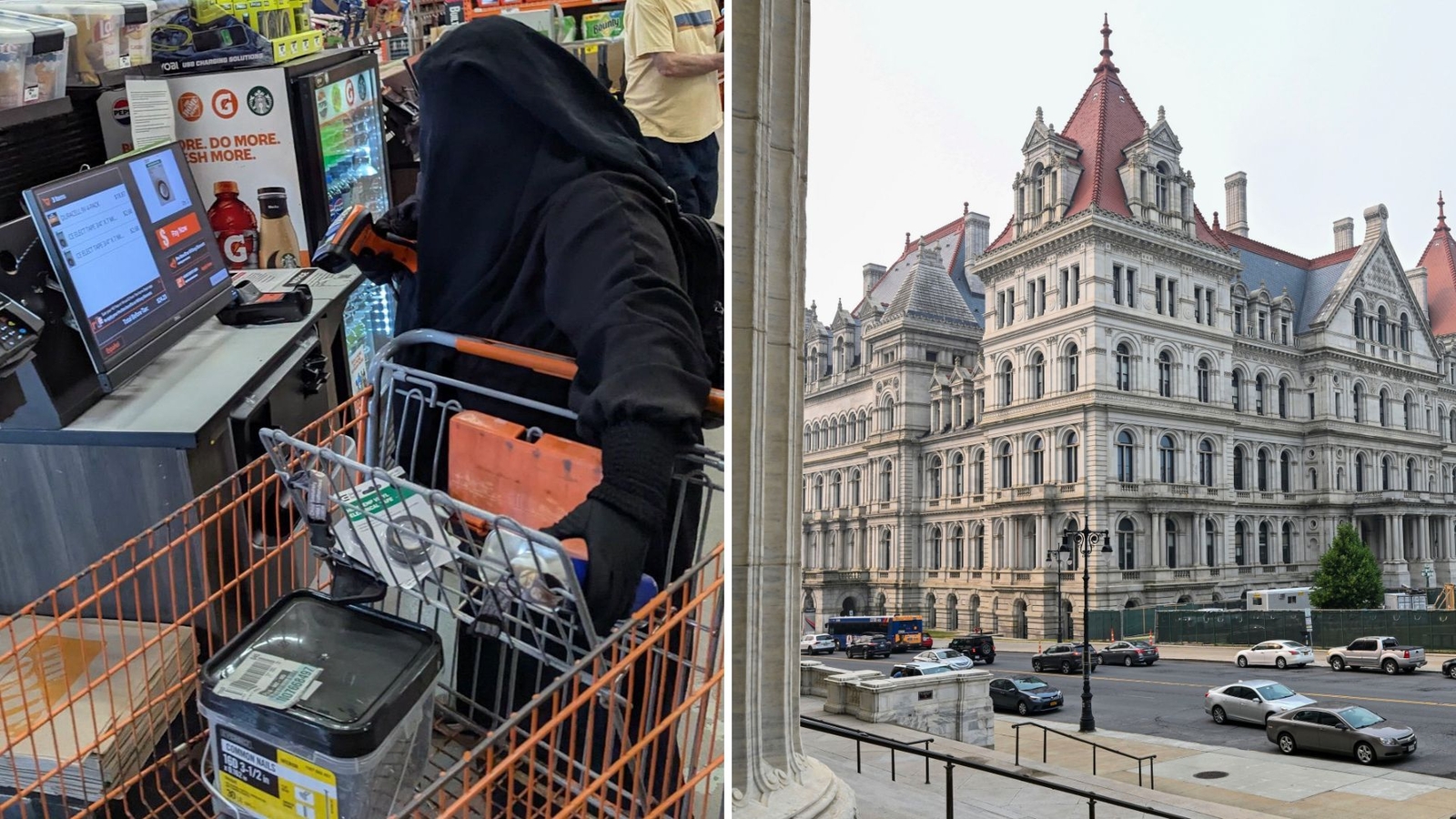
In a significant counterterrorism victory, federal authorities have arrested a 35-year-old woman accused of orchestrating an ISIS-inspired New York Capitol attack plot. The FBI took the suspect into custody on Wednesday after what officials describe as weeks of careful surveillance and intelligence gathering. The case underscores the persistent threat of domestic terrorism and highlights the effectiveness of coordinated law enforcement efforts in disrupting plots before they can be carried out.
The woman at the center of this alarming case stands accused of pledging allegiance to the Islamic State (ISIS) in online communications and meticulously planning an attack on the New York State Capitol building in Albany. Her arrest represents one of the more disturbing recent examples of radicalized individuals targeting symbols of American government, and it raises important questions about security protocols, online radicalization, and the ongoing challenges facing counterterrorism professionals.
Inside the Foiled ISIS-Inspired Plot
According to a criminal complaint filed Thursday in federal court, the suspect converted to Islam approximately five years ago and subsequently began engaging with extremist ideology online. Federal investigators allege that she pledged support to ISIS through digital communications with unidentified users, eventually escalating from ideological sympathy to active operational planning.
The investigation revealed that the New York Capitol attack plot began taking shape in July, when the suspect allegedly began discussing her intentions with FBI informants. Over the following weeks, she reportedly conducted extensive surveillance of the Capitol building, taking photographs from multiple vantage points, including what the complaint describes as an “observation hall nearby.” These activities painted a clear picture of operational reconnaissance , the kind of methodical preparation that has become a hallmark of would-be attackers inspired by foreign terrorist organizations.
The Suspect’s Alarming Statements
Perhaps the most chilling aspect of this case involves the statements the suspect allegedly made to her FBI contacts. In recorded communications, she reportedly expressed violent intentions that left little doubt about the severity of the threat she posed.
- She allegedly stated her desire to “destroy as much of the building as possible” and specifically target sitting senators during a session
- She reportedly expressed a wish to destroy important government documents stored within the facility
- She allegedly acknowledged awareness of the legal consequences she faced, indicating she had researched the penalties for providing material support to terrorist organizations
These statements, captured through cooperating witnesses, provided federal agents with the evidence needed to build a strong case while simultaneously ensuring that the plot could be disrupted before any harm materialized.
How the Investigation Unfolded
The FBI’s Albany Field Office, working in coordination with the Joint Terrorism Task Force, conducted what officials characterize as a meticulous and professional investigation. The timeline of the case reveals the patient, methodical approach that has become standard in modern counterterrorism operations.
From Online Communications to Physical Action
The criminal complaint outlines a clear progression in the suspect’s alleged activities. After months of online engagement with extremist ideology and communications with individuals believed to be sympathetic to ISIS, she allegedly moved from the theoretical to the practical. On August 5, she reportedly purchased bomb-making materials from a hardware store, marking a critical transition from planning to preparation.
Over the following two weeks, she allegedly continued coordinating with FBI informants, discussing logistics and operational details. This extended period of communication allowed investigators to gather substantial evidence while maintaining constant surveillance of her activities.
The Takedown
On Wednesday, the operation reached its conclusion. According to the complaint, FBI informants met with the suspect and provided her with what the complaint describes as an inert explosive device and an inert handgun, along with instructions on how to detonate the explosive. The FBI moved in shortly thereafter and arrested her.
This approach , providing disabled weapons and materials to suspects while under controlled conditions , has become a standard tool in domestic terrorism investigations. It allows law enforcement to make arrests at the latest possible moment, thereby preventing any genuine threat from materializing while simultaneously gathering evidence sufficient to support prosecution.
Charges and Legal Proceedings
The suspect appeared in federal court Thursday, where she was formally charged with attempting to provide material support or resources to designated foreign terrorist organizations. This federal charge carries a potential sentence of up to 20 years in prison.
During her post-arrest interview with FBI agents, the suspect allegedly made statements suggesting she understood the gravity of her situation. According to the complaint, she reportedly told agents, “There’s no helping me, you guys know enough, there’s no helping me, I’m going to prison for the rest of my life.” She allegedly also acknowledged that she had previously researched the penalties associated with providing material support to terrorist organizations, indicating a degree of premeditation and awareness of the legal consequences of her actions.
Attorney information for the suspect was not immediately available at the time of the court appearance, and the investigation remains ongoing as authorities continue to examine her communications, online activities, and any potential connections to broader networks.
Official Response and Security Implications
Federal officials have expressed strong confidence in the outcome while emphasizing the seriousness of the threat that was disrupted. Craig L. Tremaroli, the special agent in charge of the FBI Albany Field Office, addressed reporters at a Thursday news conference with a clear message about the case.
“Make no mistake about it, the alleged plot was serious, it was dangerous, and thanks to the partnerships of the FBI’s joint terrorism task force, it was foiled,” Tremaroli stated.
State Leadership Reacts
New York Governor Kathy Hochul issued a statement Thursday thanking federal and local law enforcement for their work in disrupting the plot. The governor’s response also highlighted ongoing security concerns at the state Capitol and across state government facilities.
“Earlier this year, amid a rise in political violence and threats against public officials, we took steps to strengthen security at the State Capitol and across state government,” Governor Hochul stated. “While there is no immediate threat at this time, we will continue working closely with our law enforcement partners to protect New Yorkers and keep our communities safe.”
Broader Context: Political Violence and Capitol Security
The foiled New York Capitol attack plot comes amid heightened concerns about political violence across the United States. Security analysts have noted an increase in threats against public officials and government buildings in recent years, prompting reviews of security protocols at facilities ranging from local government offices to the U.S. Capitol in Washington, D.C.
This particular case stands out because of its alleged ISIS inspiration, connecting a domestic threat to an international extremist ideology. Counterterrorism experts have repeatedly warned that the Islamic State’s propaganda continues to inspire lone-wolf attackers and small cells long after the group lost its territorial caliphate in Syria and Iraq. Online recruitment and radicalization remain significant challenges for law enforcement agencies worldwide.
The Challenge of Online Radicalization
The suspect’s path from conversion to alleged operational planning illustrates the persistent challenge of online radicalization. Social media platforms, encrypted messaging applications, and dark web forums have all been used by extremist groups to spread propaganda and identify potential recruits. Law enforcement agencies have invested heavily in monitoring these digital spaces, but the volume of communications and the sophistication of encryption tools make comprehensive surveillance extremely difficult.
Cases like this one demonstrate why cooperation between federal agencies, local law enforcement, and technology companies remains essential. The FBI’s ability to identify, monitor, and ultimately disrupt this plot reflects years of investment in counterterrorism infrastructure and inter-agency cooperation.
Looking Ahead
As the legal process unfolds, this case will likely generate significant discussion about terrorism prevention strategies, the balance between surveillance and civil liberties, and the ongoing threat posed by individuals inspired by foreign extremist organizations. The suspect’s alleged statements , including her apparent acceptance of long imprisonment , suggest a level of ideological commitment that will concern counterterrorism analysts for years to come.
For residents of New York and visitors to the state Capitol, the immediate practical concern involves the security measures now in place at government facilities. Governor Hochul’s administration has indicated that enhanced protocols implemented earlier in the year will remain in force, and additional security reviews are likely to follow this incident.
Conclusion
The successful disruption of this New York Capitol attack plot represents both a victory for law enforcement and a sobering reminder of the threats facing American democratic institutions. The FBI’s Joint Terrorism Task Force, working alongside state and local partners, demonstrated the kind of coordinated, patient investigative work that has become essential in the modern counterterrorism landscape. While the immediate danger has been neutralized, the case highlights the importance of continued vigilance, robust security measures, and ongoing efforts to counter online radicalization. As investigations continue and the legal process moves forward, New Yorkers can take some comfort in knowing that the systems designed to protect them performed effectively in this instance , while remaining aware that the threats facing the state and the nation require constant attention and adaptation from those tasked with keeping the public safe.