
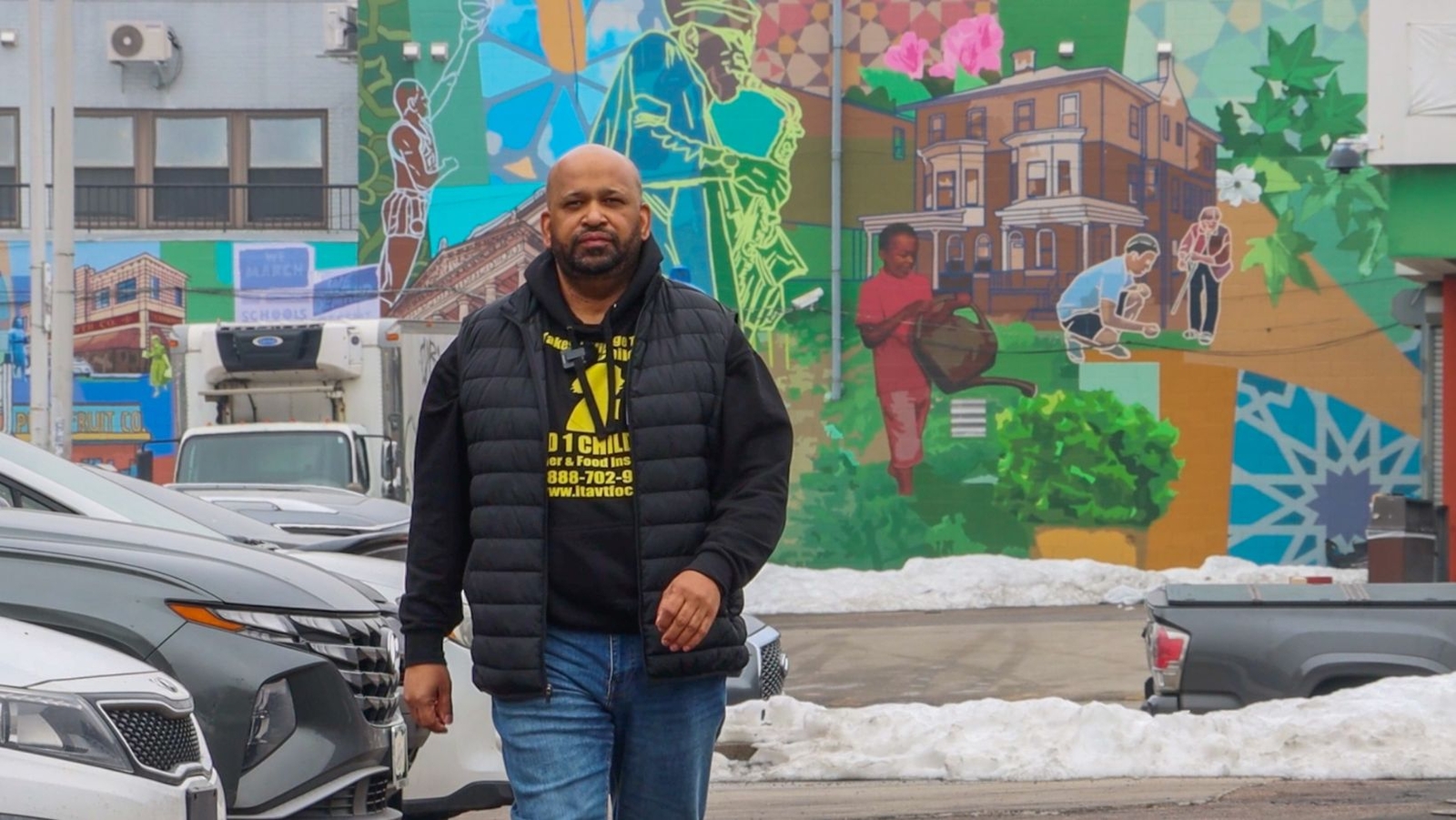
When you think about the immense challenge of feeding entire communities, one Philadelphia-based food nonprofit stands out for its remarkable impact. “It Takes A Village To Feed One Child” serves an astonishing 200,000 meals every single month, transforming lives across the region through consistent, high-quality meal programs. Founded on a deeply personal mission rooted in family values and community love, this organization has become a vital lifeline for day care centers, senior programs, and countless community resources throughout Pennsylvania.
At the heart of this operation is Mark Wainwright, whose journey from observing his mother’s selfless giving to leading one of the most impactful community food programs in the state is nothing short of inspiring. His story reminds us that the most powerful movements often begin with the simplest lessons learned at home.
The Vision Behind “It Takes A Village To Feed One Child”
Every great nonprofit begins with a powerful story, and this one is no exception. The inspiration for this Philadelphia food nonprofit traces back to Wainwright’s childhood, where he watched his mother,a single mother raising four boys,give back to her community despite facing her own financial challenges.
“My mom inspired it. Growing up, I saw firsthand how she gave back to the community despite being a single mom of four boys. And it kind of resonated with me there. It stuck with me and is still with me today,” Wainwright shared in a recent interview.
That childhood experience planted a seed that would eventually grow into a full-scale nonprofit meal delivery operation. Wainwright didn’t just inherit his mother’s generous spirit,he transformed it into a sustainable model that now feeds tens of thousands of people each month. The organization operates on a simple but profound premise: addressing food insecurity requires collective effort, and every child deserves consistent, nutritious meals regardless of their circumstances.
How the Organization Operates
Rather than running its own dining halls or food pantries, this food nonprofit takes a strategic approach to food assistance programs. The organization partners with existing community institutions,particularly adult and child day care centers,providing them with the meals they need to serve their participants.
This distribution model offers several distinct advantages:
- Reaches vulnerable populations directly: By working with day care centers, meals reach children, seniors, and adults who need them most
- Reduces operational overhead: Partnering with established facilities maximizes the impact of every dollar spent
- Maintains meal quality and variety: Centralized meal preparation ensures nutritional standards are consistently met
- Supports local organizations: Partner facilities can focus on their core missions while the nonprofit handles food service logistics
The numbers tell a powerful story. With support from state funding, the organization estimates serving more than 200,000 meals monthly across the Philadelphia area. To put that in perspective, that’s approximately 6,667 meals every single day, or roughly 277 meals every hour. This staggering scale makes it one of the most productive hunger relief operations in the region.
The Critical Role of Adult Day Care Partnerships
Among the most impactful partnerships the food nonprofit has cultivated is its relationship with adult day care facilities. Penn Village Adult Day Care represents one of many consistent recipients of the organization’s community meals services.
Neil Kaneria, Owner and Operator of Penn Village Adult Day Care, has witnessed firsthand how reliable meal services transform his program. His perspective highlights a dimension of food insecurity that often goes overlooked: the connection between nutrition and overall quality of life for seniors.
More Than Just Food: A Foundation for Wellbeing
“If you have something to look forward to, something to wake up to, your health kind of improves as a result of it,” Kaneria explained. His observation points to something that researchers and healthcare professionals have increasingly recognized,proper nutrition isn’t just about physical sustenance. For seniors attending adult day care programs, regular meals provide structure, social connection, and a sense of dignity.
The benefits of this partnership model extend across multiple dimensions:
- Health outcomes improve when seniors have consistent access to nutritious, varied meals
- Financial resources are preserved at partner facilities, allowing them to invest in program quality
- Menu variety keeps participants engaged and ensures they receive diverse nutrients
- Cost-free meal service removes a significant barrier for seniors living on fixed incomes
- Staff can focus on care rather than meal logistics and food procurement
“The menu is varied so it doesn’t repeat. Getting that free of cost for seniors, what it does is it allows us to focus more on the quality of the program,” Kaneria noted. This seemingly simple benefit,varied menus,has profound implications for both nutrition and the overall experience of care recipients.
Addressing Food Insecurity Across Generations
The nonprofit’s reach extends well beyond senior care. By serving both child and adult day care centers, this nonprofit organization addresses food security across multiple generations simultaneously. This intergenerational approach is particularly significant because food insecurity affects families holistically,children, parents, and grandparents often face the challenge together.
The Broader Impact of Consistent Meal Programs
Research consistently demonstrates that children who receive regular, nutritious meals perform better academically, exhibit fewer behavioral issues, and develop healthier eating habits that last a lifetime. For adults, particularly seniors, consistent nutrition helps manage chronic conditions, supports mental health, and reduces hospital readmissions.
By embedding meal services directly into day care centers and community programs, the food nonprofit ensures that these benefits reach people where they already are, eliminating transportation barriers and reducing the stigma sometimes associated with seeking food assistance.
The Power of State Funding and Community Support
The organization’s ability to serve 200,000 meals monthly doesn’t happen in a vacuum. State funding plays a crucial role in sustaining operations at this scale. This public investment demonstrates a growing recognition among policymakers that child nutrition programs and senior meal services are essential infrastructure, not optional social services.
However, funding alone doesn’t explain the organization’s success. The committed staff, dedicated volunteers, and partner facilities all contribute to creating a network of care that extends far beyond what any single entity could provide alone.
A Model for Other Communities
The Philadelphia food nonprofit’s approach offers a replicable model for communities across the country. Rather than building entirely new infrastructure, the organization leverages existing community resources and fills critical gaps. This methodology could inspire similar initiatives in cities facing comparable challenges with food insecurity, aging populations, and overstretched social services.
Why Volunteer and Donor Support Matters
While state funding provides crucial support, nonprofits of this nature thrive when community members get involved. Whether through direct donations, volunteer time, or spreading awareness about the organization’s mission, every contribution helps expand the reach of these vital meal services Philadelphia programs.
For those inspired by this work, there are several ways to make a difference:
- Financial contributions help purchase ingredients and maintain kitchen operations
- Volunteer hours support meal preparation, packaging, and distribution
- Corporate partnerships can provide in-kind donations or sponsorships
- Advocacy efforts help sustain public funding for these critical programs
- Spreading awareness connects more people in need with available services
The Future of Community-Based Food Assistance
As food insecurity continues to affect millions of Americans, the work being done by organizations like “It Takes A Village To Feed One Child” becomes increasingly vital. The COVID-19 pandemic exposed and exacerbated existing gaps in food access, and while emergency responses have largely wound down, the underlying challenges persist.
This food nonprofit represents a new generation of community-based solutions that are professional, scalable, and deeply rooted in local relationships. By focusing on sustainability and partnership rather than one-time interventions, the organization is building a model that can weather changing political and economic conditions.
Conclusion: One Village, Thousands of Lives Changed
The story of “It Takes A Village To Feed One Child” is fundamentally a story about people,about a mother who taught her son the value of giving, about a man who turned those lessons into action, and about thousands of seniors, children, and families who wake up each day knowing they’ll have a nutritious meal. Serving 200,000 meals monthly in Philadelphia is more than a statistic; it represents countless moments of relief, dignity, and hope for community members who need it most.
As Wainwright’s organization continues to grow and serve, it stands as a powerful reminder that meaningful change is possible when compassion meets strategic action. For anyone looking to support their mission or learn more about their work, visiting their website offers a direct path to involvement. In a world where food insecurity remains a pressing challenge, this Philadelphia food nonprofit shows us what becomes possible when a community truly comes together to feed its own.