
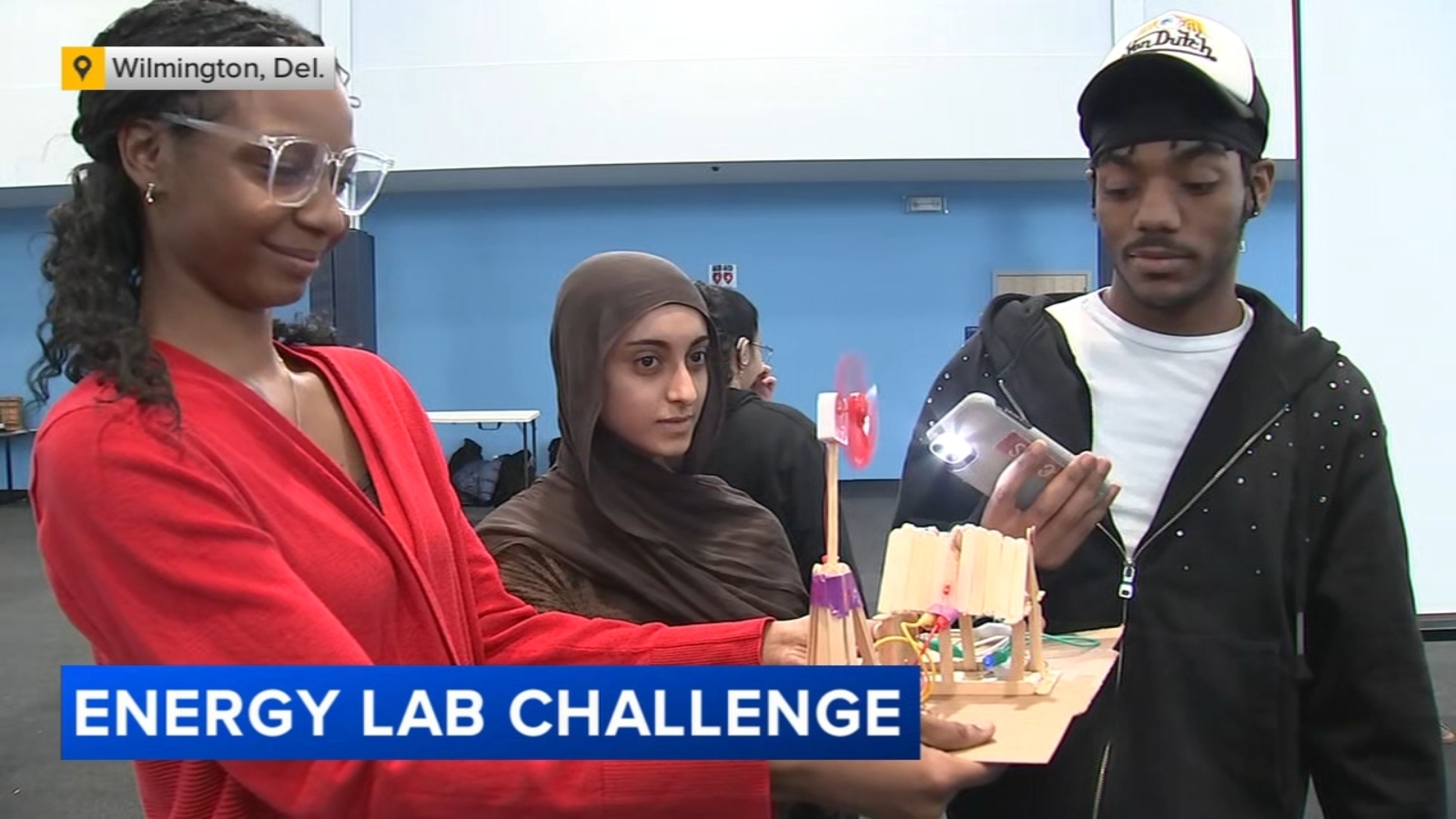
High school students at Freire Charter School in Wilmington, Delaware, recently participated in an inspiring renewable energy lab challenge that combined hands-on engineering with real-world problem-solving. The competition invited students to design and build functional structures powered exclusively by wind and solar energy, bringing classroom concepts into tangible, working models. With professional engineers and physicians serving as mentors, the event transformed an ordinary school day into a launchpad for the next generation of clean energy innovators.
This engaging initiative did more than test technical skills. It also served as a meaningful tribute to Black History Month, highlighting the contributions of African American pioneers in science, technology, engineering, and mathematics while showing students how STEM education is shaping the future of sustainable energy.
A Hands-On Approach to Renewable Energy for Students
Traditional science instruction often relies on textbooks, lectures, and written exams to measure understanding. While these methods have value, they rarely give students the satisfaction of watching their own ideas come to life. The renewable energy lab challenge flipped that model on its head, asking teenagers to think like engineers from the very first moment of the project.
Working in teams, the high school students were given a deceptively simple prompt: design and construct a structure that could be powered entirely by renewable sources. The two energy options available were wind and solar, both of which represent cornerstones of the global transition away from fossil fuels. Students had to consider:
- How much energy their structure would actually need
- How to capture wind or sunlight effectively in a given location
- How to convert and store that energy for practical use
- How to build something durable enough to demonstrate reliably
This kind of problem-based learning mirrors the realities of professional engineering. Rather than memorizing formulas, students had to make trade-offs, test prototypes, and iterate when their first designs failed. For many participants, it was their first real taste of what a career in sustainable design might feel like.
Why Wind and Solar Power?
Wind and solar energy were chosen as the foundation of the challenge for good reason. Together, they represent the fastest-growing segments of the global clean energy market. According to industry reports, solar and wind installations have consistently outpaced fossil fuel expansion for several years running, making them among the most promising career paths for young people entering technical fields today.
By limiting the project to these two renewable sources, organizers ensured that students were tackling problems directly relevant to the modern energy landscape. Whether they pursued wind energy, solar energy, or a hybrid approach, every participant engaged with technologies that are actively reshaping how the world produces electricity.
The Role of Mentors in the Lab Challenge
One of the most valuable elements of the renewable energy lab challenge was the presence of professional engineers and physicians who volunteered their time to guide the students. These mentors did not simply hand out answers. Instead, they asked probing questions, helped teams troubleshoot technical roadblocks, and shared stories from their own professional journeys.
Having real-world experts in the room changed the dynamic in important ways:
- Validation of ideas: Students could hear directly from working professionals whether their design concepts were realistic and scalable.
- Career exposure: Interactions with engineers and physicians opened students’ eyes to potential career paths they may not have previously considered.
- Skill modeling: Watching professionals ask questions, test assumptions, and solve problems in real time gave students a blueprint for how to think critically.
- Confidence building: Many teenagers hesitate to commit to STEM fields because they doubt their own abilities. A few encouraging words from an experienced engineer can go a long way toward changing that.
This mentorship model reflects a growing recognition in education circles that career-connected learning dramatically improves student outcomes. When young people can see the bridge between their classroom work and the working world, they tend to engage more deeply and retain information longer.
Celebrating Black History Month Through STEM
The event also coincided with Black History Month, and organizers used the occasion to highlight the often-overlooked contributions of African American innovators in science and engineering. From figures like Lewis Latimer, who helped develop practical electric lighting, to modern leaders in renewable energy research, Black scientists have shaped the technologies we rely on every day.
By tying the renewable energy lab challenge to Black History Month, Freire Charter School sent a powerful message to its students: you belong in these fields. Representation matters enormously in STEM education, and seeing professionals who look like them can be transformative for young learners considering technical careers.
STEM Education as a Pathway to Opportunity
The connection between hands-on STEM education and long-term opportunity is well documented. Students who participate in project-based learning demonstrate stronger problem-solving skills, higher graduation rates, and greater interest in pursuing college degrees in technical fields. For students in underserved communities, these gains can be especially significant, opening doors to high-paying careers that might otherwise feel out of reach.
The Wilmington-based charter school has long embraced this philosophy. By creating an environment where students are expected to design, build, test, and refine real-world solutions, the school helps learners develop both technical competence and the kind of perseverance required to thrive in competitive industries.
Lessons Beyond the Classroom
While the technical knowledge gained during the renewable energy lab challenge was important, the soft skills developed may prove even more valuable in the long run. Students had to negotiate roles within their teams, manage time effectively, and present their finished projects to an audience. They learned how to handle failure when a prototype did not perform as expected, and they experienced the joy of collective accomplishment when their designs finally worked.
These experiences build what educators often refer to as STEM identity , the internal sense that “I am someone who belongs in science and engineering.” For students who have historically been excluded from or discouraged in these fields, developing a strong STEM identity can be life-changing.
Connecting to the Clean Energy Economy
The clean energy sector is one of the fastest-growing parts of the global economy. Solar installers, wind turbine technicians, electrical engineers specializing in grid modernization, and sustainability consultants are all in high demand. Events like the renewable energy lab challenge give students a glimpse into this expanding job market while they’re still young enough to plan their academic pathways.
Even students who ultimately decide not to pursue engineering careers will benefit from what they learned. Understanding how renewable energy systems work helps every citizen make informed decisions about energy use, climate policy, and household investments in solar panels or other sustainable technologies.
Looking Ahead: The Future of Student Innovation
Events like the one held at Freire Charter School offer a hopeful vision of what education can look like when schools commit to project-based learning and community engagement. As renewable energy continues to grow in importance, the students who participated in this challenge will be uniquely prepared to contribute to that transformation.
Other schools and districts would do well to study the model. Combining real-world challenges, professional mentorship, and cultural celebration creates a powerful learning experience that resonates far beyond the walls of any single classroom. With each passing year, more communities are recognizing that the energy leaders of tomorrow are sitting in today’s high school classrooms , and they deserve every chance to start building their skills now.
Conclusion
The renewable energy lab challenge at Freire Charter School stands as a shining example of how schools can inspire young people to engage with the most important issues of their generation. By challenging students to design and build structures powered by wind and solar energy, the program turned abstract science concepts into practical, hands-on experiences. With guidance from professional engineers and physicians, students gained not only technical skills but also confidence, teamwork abilities, and a clearer sense of the career possibilities ahead of them.
Tying the event to Black History Month added another layer of meaning, reminding everyone that innovation thrives when diverse voices are welcomed into scientific conversations. As the clean energy economy continues to expand, the lessons learned in this Wilmington classroom may well help shape the engineers, inventors, and policymakers who guide the world toward a more sustainable future.