
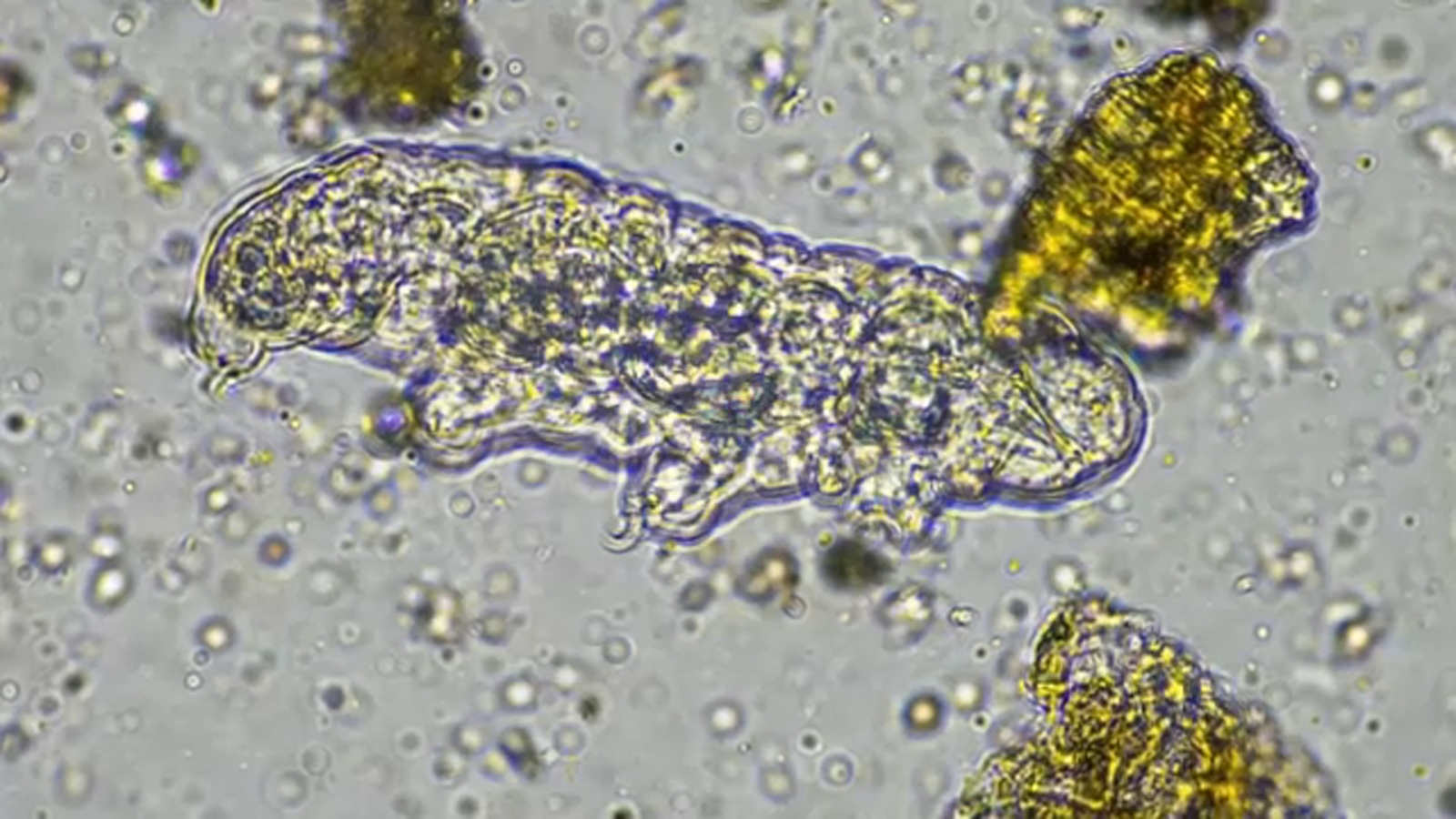
The tragic death of a North Carolina teenager from a brain-eating amoeba has brought renewed attention to a rare but devastating infection that lurks in warm freshwater across the United States. While health officials stress that cases remain extremely uncommon, the incident serves as a critical reminder for families who enjoy swimming, water skiing, or simply splashing around in lakes, ponds, and rivers during the warmer months.
As summer winds down and families take advantage of the final warm-weather weekends, understanding what this microscopic organism is, how it infects the human body, and what steps you can take to protect yourself has never been more important.
What Happened in North Carolina
According to the North Carolina Department of Health and Human Services (NCDHHS), a teenager died on a Monday after contracting an infection caused by Naegleria fowleri, commonly referred to as the brain-eating amoeba. The department had publicly reported the previous Thursday that the teen was critically ill, warning that the disease “progresses rapidly and usually causes death within about five days” once symptoms begin.
Officials have not released the identity of the teenager or the specific location where the exposure may have occurred. The NCDHHS confirmed it is actively working with federal partners at the Centers for Disease Control and Prevention (CDC) and local health departments to investigate all possible sources of the infection.
In a statement, the department extended condolences to the family, friends, and broader community affected by the loss.
Understanding Naegleria Fowleri: The Brain-Eating Amoeba
Naegleria fowleri is a single-celled organism that thrives in warm freshwater environments. It is most commonly found in:
- Ponds and lakes
- Rivers and streams
- Hot springs
- Warm runoff from industrial sources
What makes this amoeba particularly concerning is its preference for higher temperatures. The organism grows best in water that is warm, which is why infections tend to occur during the hottest summer months, especially in southern-tier states. While Naegleria fowleri exists naturally in many freshwater bodies, it is not found in salt water, and it cannot survive in properly chlorinated swimming pools or well-maintained municipal water supplies.
How the Infection Actually Occurs
One of the most important things to understand about the brain-eating amoeba is how it infects humans. Contrary to what some might assume, you cannot become infected by simply drinking water that contains the organism. The amoeba does not cause illness if swallowed.
Instead, infection occurs when water containing the amoeba is forced up the nose, allowing the organism to travel along the olfactory nerve directly into the brain. This can happen during common water activities such as:
- Jumping or diving into water
- Water skiing or wakeboarding
- Submerging the head while swimming
- Playing in warm, shallow water where sediment may be disturbed
Once the amoeba reaches the brain, it causes a severe and often fatal infection known as primary amebic meningoencephalitis (PAM).
Recognizing the Symptoms
The early signs of a Naegleria fowleri infection can be alarming because they closely mimic those of bacterial meningitis, which often leads to misdiagnosis in the critical early hours. As Dr. John Brownstein, an ABC News Medical Contributor, explained, the initial presentation includes:
- Severe headache
- Fever
- Nausea and vomiting
- Stiffness in the neck
As the infection progresses, more serious neurological symptoms develop, including confusion, hallucinations, seizures, and eventually coma. Symptoms typically begin between one and twelve days after exposure, and the disease progresses rapidly once they start.
Why Early Detection Is So Difficult
Because the initial symptoms mirror those of meningitis and other more common illnesses, doctors may not immediately suspect PAM. By the time a definitive diagnosis is reached, the infection has often advanced significantly. Combined with the rapid progression of the disease, this makes treatment extremely challenging.
Rarity Versus Severity: Putting the Risk in Perspective
It’s important to understand that while infections from the brain-eating amoeba are almost always fatal, they are also extraordinarily rare. According to the CDC, only a handful of cases are reported in the United States each year, and the vast majority involve exposure to warm freshwater in southern states during the summer months.
Between 1962 and 2022, only about 157 confirmed cases of PAM were reported in the U.S., according to CDC data. Despite the low frequency, the mortality rate is staggeringly high, with fewer than five documented survivors.
This combination of rarity and severity is precisely why public health officials urge caution without encouraging panic. Millions of Americans safely enjoy freshwater recreation every summer without incident.
Prevention: Practical Steps to Stay Safe
While no precaution can eliminate the risk entirely, there are several evidence-based strategies that significantly reduce the chances of the brain-eating amoeba entering your nasal passages during freshwater activities.
Simple Protective Measures
- Hold your nose or use a nose clip when jumping, diving, or submerging your head in warm freshwater
- Avoid disturbing sediment in shallow, warm water where the amoeba may be concentrated
- Keep your head above water when possible, especially in ponds, lakes, and rivers during late summer
- Avoid water activities in warm, stagnant freshwater when water levels are low and temperatures are high
Additional Safety Considerations
Parents should be especially vigilant about young children, who tend to spend more time underwater and are more likely to engage in splashing play that can force water into the nose. Pool owners should ensure proper chlorination levels are maintained, and anyone using neti pots or sinus rinse devices should always use sterile, distilled, or previously boiled water.
As Dr. Brownstein emphasized, “This is not about panicking when going to the lake this weekend and enjoying Labor Day. This is about knowing that there is a very rare amoeba that is out there, and if you can take these basic prevention measures, you should really have an enjoyable time.”
Treatment Landscape and Ongoing Research
Treatment for PAM remains challenging, partly because of the speed at which the disease progresses and partly because of its rarity, which limits the development of standardized protocols. The current approach typically involves a combination of antifungal and antimicrobial drugs, including miltefosine, which has shown some promise in recent cases.
Researchers continue to study the brain-eating amoeba to better understand its biology, develop more effective therapies, and improve survival rates. While survival remains uncommon, the few documented cases of recovery have provided valuable insights into potential treatment pathways.
What This Means Going Forward
The death of the North Carolina teenager is a heartbreaking reminder that rare diseases can have devastating consequences for the families they touch. Public health officials are continuing their investigation into the specific source of the infection, and updates will likely be shared as the inquiry progresses.
For the broader public, the takeaway is one of awareness rather than fear. The brain-eating amoeba is not a new threat, and it will not be eradicated anytime soon. But with a few simple precautions, the risk of infection can be dramatically minimized.
Conclusion
As warm-weather recreation season approaches its final weeks in many parts of the country, the story out of North Carolina underscores the importance of being informed about potential health hazards in natural water sources. Naegleria fowleri may be rare, but it is almost always deadly, making prevention the single most powerful tool available.
By holding your nose, wearing a clip, and avoiding unnecessary submersion in warm, stagnant freshwater, you can continue to enjoy the lakes, rivers, and ponds that make summer memorable , while keeping yourself and your family safe from harm. If you experience any unusual symptoms after freshwater exposure, especially a severe headache, fever, or stiff neck, seek medical attention immediately and mention your recent water activities.
For more detailed guidance, the CDC maintains an updated resource page on preventing Naegleria fowleri infections, which remains the best authoritative source for ongoing information.