
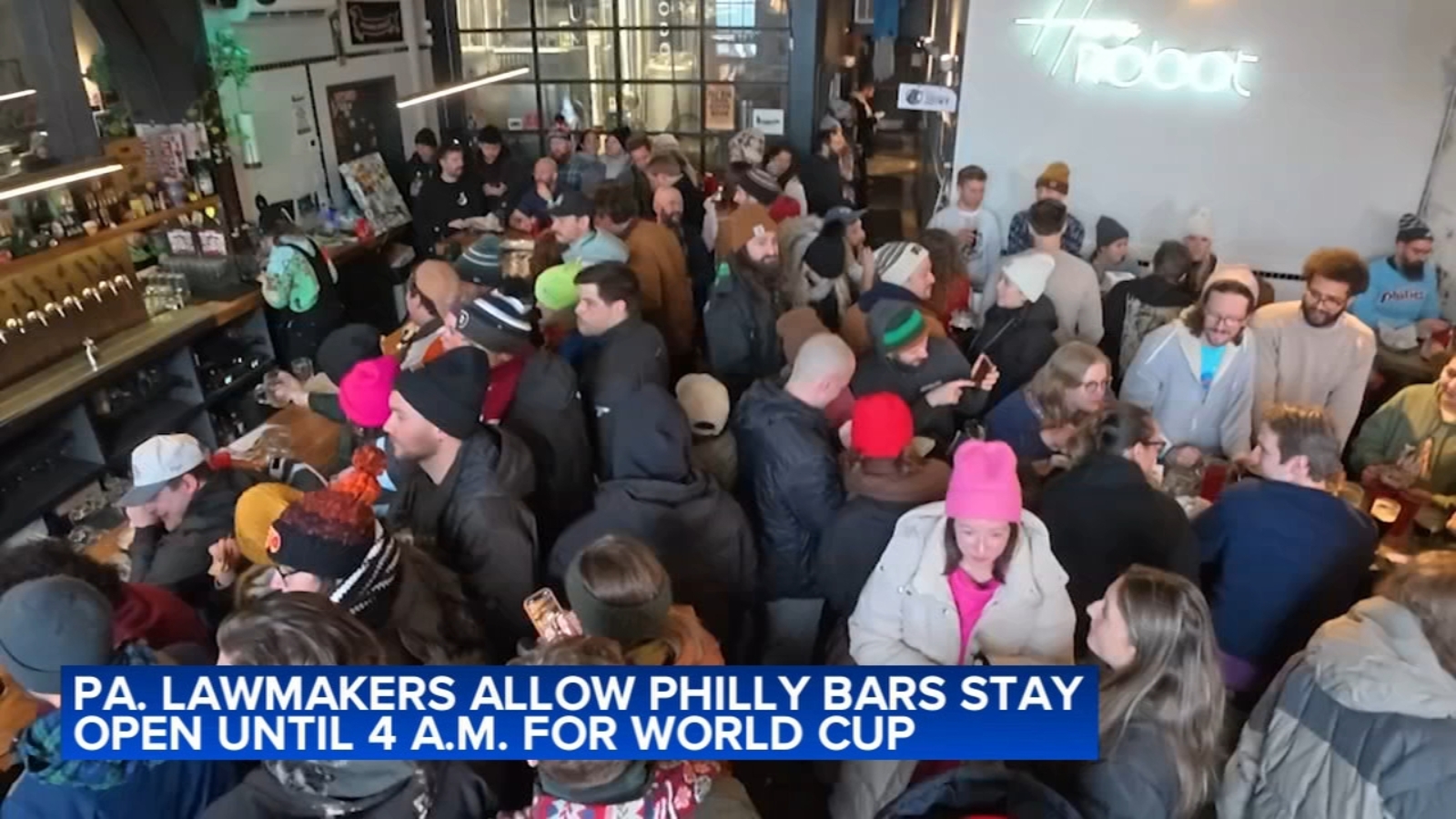
If you are searching for Philadelphia bar hours during the World Cup, local nightlife could look very different this summer. Pennsylvania lawmakers have approved legislation that would allow qualifying Philadelphia bars to remain open until 4 a.m. during the international soccer tournament.
The special extended-hours period is designed to help restaurants, bars, and hotels accommodate visitors arriving for the World Cup and other major events in Philadelphia. Supporters see it as an economic opportunity, while neighborhood advocates have raised concerns about noise, public safety, transportation, and quality of life.
Here is what the proposal means, which businesses may participate, and what visitors should expect when looking for late-night World Cup bars in Philadelphia.
What Would the Extended Bar Hours Allow?
Under the legislation approved in both chambers of the Pennsylvania General Assembly, eligible Philadelphia bars could apply to serve alcohol until 4 a.m. The measure does not automatically require every establishment in the city to stay open that late.
Instead, businesses must seek a special permit. The permit would be temporary and limited to a specific window surrounding the World Cup, making it different from a permanent change to Philadelphia’s standard nightlife rules.
The proposed Philadelphia World Cup bar hours would give participating venues additional flexibility to show games, serve international visitors, and organize watch parties that extend well beyond a typical evening.
When Would Bars Be Allowed to Stay Open?
The special permit would be valid from June 11 through July 20. That period largely corresponds with the World Cup schedule and could also overlap with other major activities expected to draw large crowds to Philadelphia.
According to the source material, the city is preparing for hundreds of thousands of visitors connected to several high-profile events, including:
- Philadelphia’s FIFA World Cup matches
- The MLB All-Star Game
- America’s 250th anniversary celebration
The timing is important because some World Cup games will be played late in the evening on the West Coast or in Mexico. Those matches may not finish until after midnight on the East Coast, leaving fans with limited options if bars close at their usual time.
Why Were Later Hours Requested?
Supporters argue that international visitors often dine and socialize later than many local customers are accustomed to doing. A representative from the Pennsylvania Restaurant and Lodging Association noted that travelers from other countries may not be operating on Philadelphia time when deciding when to eat, visit a bar, or watch a match.
That creates a practical challenge for venues hoping to host international watch parties. A game can attract fans hours before kickoff, but customers may also remain long after the final whistle. Without extended service, establishments could lose late-night food and beverage sales while still carrying the cost of hosting a large crowd.
Proponents also see the World Cup as a once-in-a-generation opportunity. International visitors may spend money on restaurants, hotels, transportation, entertainment, and retail, while a late match could give bars additional revenue during normally quieter hours.
Not Every Philadelphia Bar Will Automatically Be Open Until 4 A.M.
The key detail for anyone planning a World Cup watch party is that extended hours would require a permit. A bar interested in participating would need to apply and meet the requirements established under the legislation.
That means visitors should not assume that every Philadelphia establishment will operate until 4 a.m. Published guides may list only the businesses that have received approval and announced their plans.
Before heading out, fans should:
- Check whether the bar has obtained a special extended-hours permit.
- Confirm the venue’s planned closing time on the specific night.
- Ask whether advance tickets, reservations, or event minimums apply.
- Review the bar’s match-day entry policies and security rules.
- Arrange safe transportation home, especially if leaving after overnight rail or bus service has ended.
Hours Could Vary by Location
Even with a citywide authorization, individual bars may choose not to use their full permitted window. Some may open at their regular time and close at 2 a.m., while others could plan 4 a.m. watch parties complete with themed menus, DJs, outdoor screenings, or reserved seating.
The 4 a.m. authorization is therefore best understood as a maximum, not a requirement. Fans searching for a bar open until 4 a.m. in Philadelphia during the World Cup should verify plans directly with each venue rather than relying on general event information.
Why Late-Night World Cup Games Create a Scheduling Challenge
World Cup matches are staged across multiple time zones, and a late start in one location can produce a much later experience for fans elsewhere. Games played on the West Coast or in Mexico may begin after many East Coast bars would normally be preparing to close.
For a Philadelphia venue, hosting one of these matches is not simply a matter of turning on a television. Staff may need to work overnight, kitchens must be prepared to serve food after typical dinner hours, and security teams may need additional time to manage guests leaving at once.
Transportation is another consideration. Southeastern Pennsylvania Transit Authority service does not necessarily match a 4 a.m. closing time, so visitors staying in Center City, South Philadelphia, or nearby neighborhoods may need to plan around scheduled trains and buses. Those living farther away may need to use a taxi, rideshare, designated driver, or overnight accommodation.
Local Concerns About the Later Closing Time
The proposal has drawn criticism from residents and community representatives who worry about the effect of longer nightlife on surrounding neighborhoods. Their concerns include:
- Noise after midnight and into the early morning
- Larger crowds gathering outside businesses
- Additional strain on police, emergency services, and public transportation
- Traffic and parking pressure in entertainment districts
- Conflicts with residents who maintain earlier schedules
Those objections are especially relevant because Philadelphia is hosting a large number of visitors in a concentrated period. A longer legal closing window may increase customer demand, but it also places greater responsibility on bars to manage crowds responsibly and protect nearby residential quality of life.
Supporters counter that well-managed venues and coordinated public-safety planning can allow the city to welcome fans without undermining local communities. The effectiveness of the temporary policy will likely depend in part on enforcement, cleanup, transportation, and communication with the businesses involved.
A Limited Exception, Not a Permanent New Standard
The World Cup proposal is temporary rather than an open-ended revision of Philadelphia’s alcohol rules. The previous major example came in 2016, when the city received approval for later bar hours during the Democratic National Convention at the then-Wells Fargo Center in South Philadelphia.
Comparing the two events helps put the current measure in context. The World Cup will span multiple weeks, and late kickoffs may make overnight hospitality especially valuable. At the same time, the longer duration could create more nights with potential neighborhood impacts.
For that reason, permit requirements and business participation will be central to how the system works. A limited exception can help hospitality businesses respond to unusual demand without forcing every bar to adopt a new permanent schedule.
What Visitors Should Do Before a Match
Philadelphia is expecting a busy summer, and the combination of World Cup soccer, baseball, and national anniversary events could produce especially active hospitality districts. Anyone planning to watch a late match at a bar should plan ahead.
Consider arriving early, particularly for a popular game or a venue offering breakfast, themed food, or reserved access. Confirm whether alcohol service ends before the venue’s physical closing time, since some businesses may have separate rules for when drinks stop being served. Review cancellation policies as well, because outdoor screenings and ticketed parties may be affected by weather.
It is also wise to identify transportation options before the match begins. Service may change during major events, and rideshare prices can rise when thousands of people leave at the same time. Travelers staying in hotels should check whether the property offers shuttle service or recommends a particular route.
What This Means for Philadelphia Nightlife
If the temporary policy takes effect, Philadelphia could offer one of the country’s most flexible late-night experiences during the World Cup. Restaurants and bars would have a chance to serve visiting supporters on their own schedules, while fans could enjoy matches that otherwise would end after the city’s normal nightlife period.
The measure is not a guarantee that every bar will open until 4 a.m., and it does not remove the need for responsible event planning. Its success will depend on which businesses receive permits, how they manage overnight crowds, and whether the city can provide adequate transportation and public-safety support.
For now, the main takeaway is straightforward: Pennsylvania lawmakers have approved a temporary framework that would allow participating Philadelphia bars to remain open until 4 a.m. from June 11 through July 20. As kickoff approaches, venues and city officials will provide more specific details about eligible locations, permit requirements, and match-day programming.