
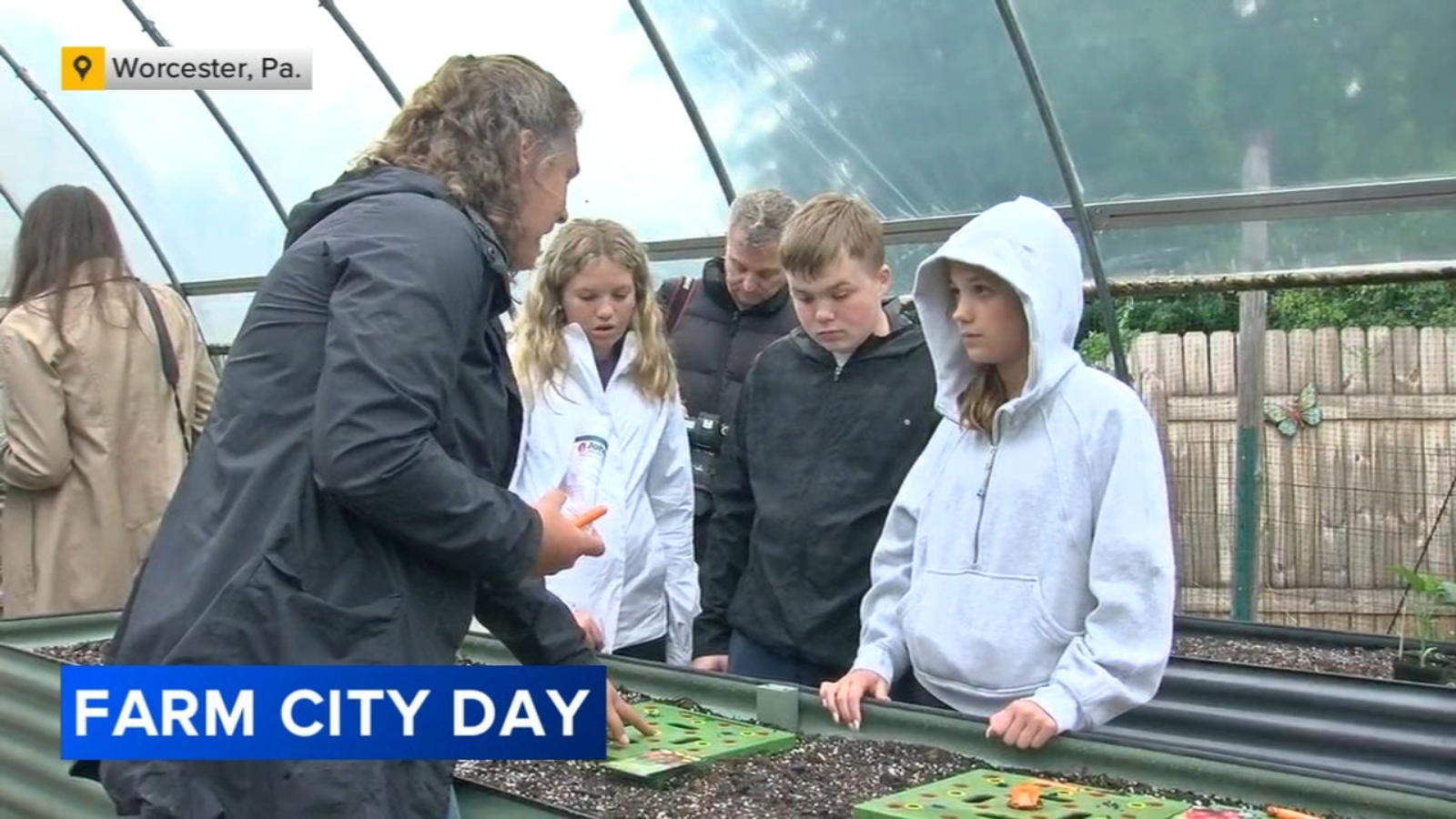
Each year, communities across Pennsylvania find creative ways to teach young people where their food comes from and how agriculture shapes daily life. This week, Farm City Day 2025 did exactly that, transforming the grounds of Variety in Worcester, Montgomery County, into a vibrant, hands-on classroom where students from second grade through high school discovered the powerful connections between farming, community, and the world around them.
Hosted through a partnership between the Children’s Charity of the Delaware Valley and the Pennsylvania Department of Agriculture, this year’s Farm City Day event welcomed hundreds of curious learners for a day filled with interactive stations, sensory activities, greenhouse tours, and real gardening experiences. The event highlighted how agricultural education can spark curiosity, build confidence, and foster a deeper appreciation for the people who grow the food we eat every day.
A Partnership Rooted in Community
The success of Farm City Day 2025 was made possible through the collaboration of two organizations with deep roots in Pennsylvania. The Children’s Charity of the Delaware Valley, the parent organization of Variety, has long been dedicated to supporting children and families across the region. By teaming up with the Pennsylvania Department of Agriculture, the event combined educational expertise with agricultural insight, creating a powerful learning experience.
This kind of cross-sector partnership is essential for modern farming education. Schools alone cannot always provide the immersive experiences that children need to truly understand agriculture. When nonprofits, government agencies, and community organizations come together, students benefit from a richer, more comprehensive introduction to the food system. The organizers of Farm City Day clearly understood this principle, and the energy on the grounds reflected the strength of their collaboration.
Why Worcester, Montgomery County?
Worcester, located in Montgomery County, sits in a region where suburban landscapes meet preserved farmland. Hosting the event at Variety’s campus gave students access to expansive greenhouses, established gardens, and open spaces perfect for outdoor learning. The location itself became a teaching tool, showing young people that agriculture can thrive even in suburban settings.
Hands-On Learning: The Heart of Farm City Day
One of the standout features of Farm City Day has always been its emphasis on experiential learning. Rather than simply lecturing students about farming, the organizers built an entire day around doing. From the moment students arrived, they were invited to touch, smell, observe, and participate.
Interactive Stations and Sensory Activities
Throughout the event grounds, students rotated between interactive stations designed to engage multiple senses and learning styles. These stations covered topics ranging from soil science and seed identification to the role of pollinators and the journey of food from field to table. The sensory activities were particularly effective for younger learners, allowing second and third graders to explore textures, scents, and colors associated with different crops and farm environments.
Older students, including those in middle and high school, engaged with stations that tackled more complex topics such as sustainable agriculture, food systems economics, and career pathways in the agricultural industry. By tailoring activities to different age groups, the event ensured that every student left with meaningful takeaways appropriate to their developmental stage.
Greenhouse Tours and Garden Exploration
A highlight for many attendees was the opportunity to tour Variety’s impressive greenhouses and gardens. These living classrooms provided a vivid contrast to the typical indoor school environment. Students walked among raised beds, learned about composting systems, and observed how different plants grow in controlled environments versus open fields.
For many young people, this was their first time seeing food growing in a structured agricultural setting. The tours demystified farming by showing the science, care, and patience that go into producing the vegetables, herbs, and flowers that eventually make their way to homes, restaurants, and farmers’ markets across the region.
Getting Their Hands Dirty: Student Gardening Activities
Beyond observing, students were encouraged to roll up their sleeves and participate in actual gardening tasks. These student gardening activities included planting seeds, transplanting seedlings, weeding, watering, and learning the basics of soil preparation. There’s something uniquely powerful about putting hands into the earth, and the organizers of Farm City Day recognized that kinesthetic learning leaves lasting impressions.
For elementary-aged children, planting a seed offers a tangible lesson in cause and effect. They water it, watch it sprout, and eventually see the harvest. For high school students, the same activity can spark deeper conversations about food insecurity, sustainability, and the environmental impact of agricultural practices. The versatility of gardening as a teaching tool is precisely why events like Farm City Day remain so valuable to agricultural education for kids.
Building Confidence Through Participation
Teachers and chaperones noted that students who participated in the gardening tasks often displayed increased confidence and engagement. Many children who struggle in traditional classroom settings find their voice when given physical, creative tasks. Watching a quiet student proudly show off the row of seeds they just planted is a reminder that education comes in many forms.
Connecting Farming to Daily Life
The overarching theme of Farm City Day is the connection between farming and everyday life. This is a critical concept, especially for students growing up in suburban or urban environments where direct exposure to agriculture may be limited. The interactive stations were specifically designed to highlight these connections.
From Field to Fork
One station traced the journey of common foods, such as apples, corn, and dairy products, from the farm to the grocery store to the kitchen table. Students learned about the labor, transportation, and processing involved in bringing food to their plates. This kind of awareness helps young people develop respect for the food system and the people who sustain it.
The Role of Community in Agriculture
Another important theme was the role of community in supporting local farming. Students learned about farmers’ markets, community-supported agriculture (CSA) programs, and the ways consumers can choose to support regional producers. By framing agriculture as a community endeavor rather than an isolated industry, Farm City Day reinforced the idea that everyone has a role to play in building a sustainable food future.
The Broader Impact of Agricultural Awareness Events
Events like Farm City Day do more than teach facts. They shape attitudes, inspire future careers, and strengthen community bonds. Research consistently shows that children who participate in agricultural education programs are more likely to make healthy food choices, develop environmental stewardship values, and consider careers in agriculture or related fields.
For Pennsylvania specifically, fostering agricultural awareness among young people is essential to the future of the state’s farming industry. As the average age of farmers continues to rise, encouraging youth engagement with agriculture becomes a strategic priority. Programs like the one hosted at Variety help plant the seeds, both literally and figuratively, for the next generation of agricultural leaders.
Lessons Beyond the Farm
Beyond agricultural content, Farm City Day also reinforced broader educational lessons such as teamwork, patience, observation skills, and scientific inquiry. Students practiced asking questions, making predictions, and recording observations, all of which are foundational academic skills. The outdoor, hands-on format also provided a refreshing break from traditional classroom routines, leaving students energized and eager to learn more.
Looking Ahead: The Future of Farm City Day
As Farm City Day 2025 wrapped up, organizers and participants alike expressed enthusiasm for the years ahead. The success of this year’s event in Worcester demonstrates the power of thoughtful partnerships and immersive learning. There is strong potential to expand the program, welcome more schools, and incorporate additional themes such as climate-smart agriculture, urban farming, and food justice.
For now, the students who attended are carrying home more than just informational handouts. They carry the memory of seeds planted with their own hands, the scent of fresh herbs in the greenhouse, and a new understanding of the invisible threads that connect farming to community life. These are the kinds of experiences that shape young minds and inspire lifelong curiosity.
Final Thoughts
Farm City Day remains one of the most meaningful ways to introduce Pennsylvania’s youth to the world of agriculture. By combining the resources of the Children’s Charity of the Delaware Valley with the expertise of the Pennsylvania Department of Agriculture, this Worcester-based event created an unforgettable day of discovery for students across multiple grade levels. Through greenhouse tours, sensory activities, hands-on gardening, and community-focused lessons, the event reminded everyone in attendance that farming is not a distant industry but a living, breathing part of daily life. As communities continue to seek innovative ways to connect young people with the sources of their food, Farm City Day stands as a shining example of what’s possible when collaboration, education, and a little bit of soil under the fingernails come together.