
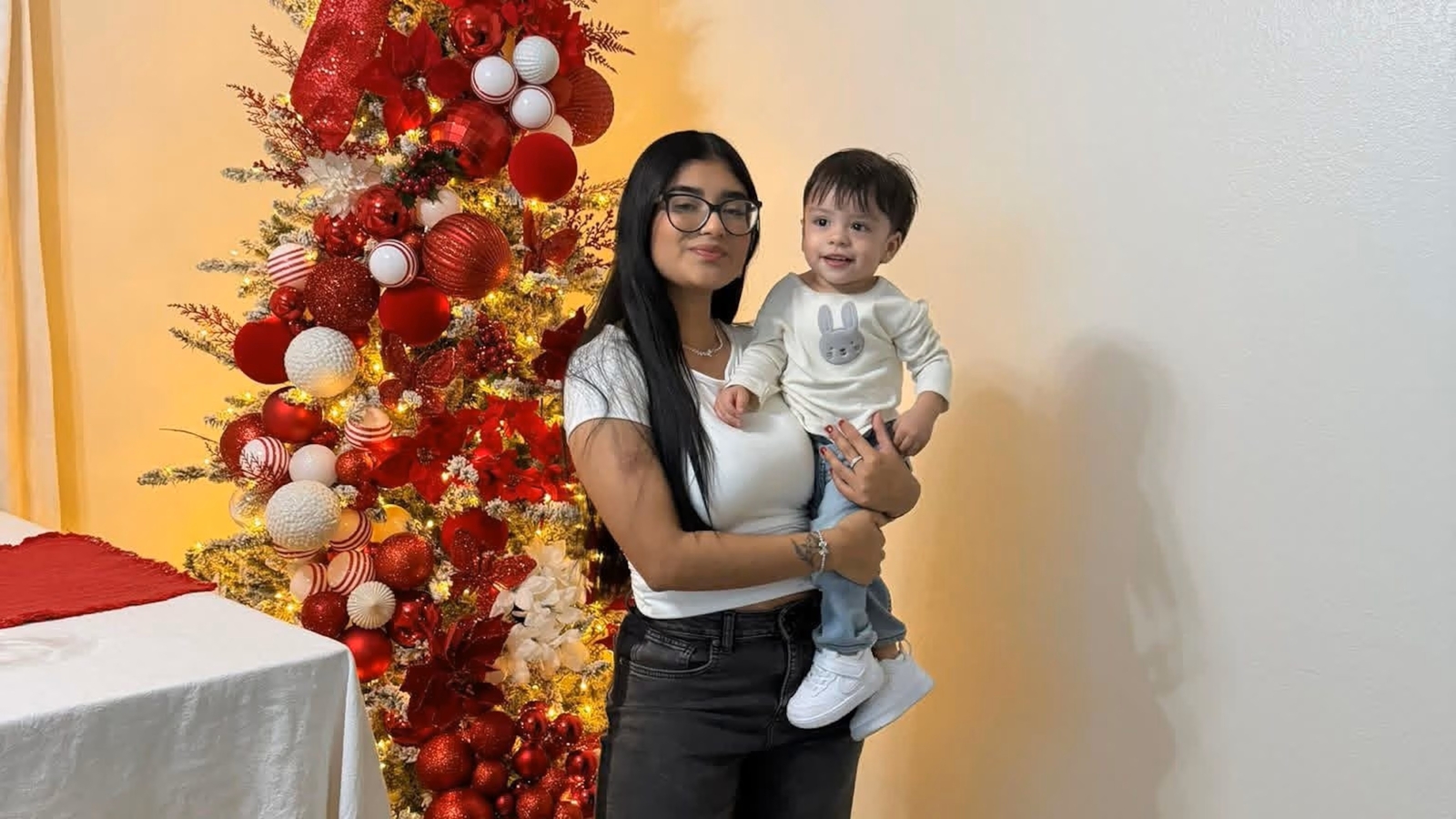
The case of a 21-year-old pregnant immigrant detained for over 40 days at a Texas family detention center has sparked outrage among advocacy groups, medical professionals, and lawmakers. Laura Rojas Ortiz, who is five months pregnant, remains held alongside her infant son at the South Texas Family Residential Center in Dilley, a facility that has become a focal point in national debates over pregnant immigrant detention practices and immigration enforcement policies.
This troubling situation raises urgent questions about the treatment of vulnerable populations within the U.S. immigration system, particularly expectant mothers and young children who find themselves caught in the crosshairs of aggressive enforcement actions.
Background of the Detention
According to Rojas Ortiz’s mother, Paola, the young woman had been complying with all immigration requirements before her detention. She had been wearing an ankle monitor and regularly checking in with Immigration and Customs Enforcement (ICE) officials in Texas. The unexpected detention occurred during a routine check-in at an ICE office in Dallas, where she had been summoned to appear.
“She showed up like she always does, and they detained her,” Paola explained in Spanish, describing the moment her daughter was taken into custody.
Rojas Ortiz had originally turned herself in at the southern border over a year prior, accompanied by her infant son and her partner. Following a shooting incident in her neighborhood,where a bullet reportedly pierced through the walls and grazed her son,she began the process of applying for a U visa, a designation reserved for victims or witnesses of crimes who assist law enforcement.
Medical Concerns and High-Risk Pregnancy Complications
Perhaps the most alarming aspect of this pregnant immigrant detention case involves the reported lack of medical care provided to Rojas Ortiz. Her mother claims that despite her daughter’s high-risk pregnancy classification, she has not received essential prenatal care during her more than 40 days in custody.
“To this day, she hasn’t gotten an ultrasound or been seen by a specialist,” Paola stated. “They haven’t done blood tests or anything.”
This absence of medical attention stands in stark contrast to established standards of prenatal care, which typically require regular monitoring, ultrasounds, blood work, and specialist consultations for high-risk pregnancies. Advocacy groups have argued that such neglect constitutes a violation of basic human rights and endangers both the mother and the unborn child.
Allegations of Concealing Pregnancy from Visitors
In a particularly troubling allegation, Paola claimed that when lawmakers recently visited the Dilley facility, ICE staff moved her daughter to a separate “medical room” to conceal her pregnancy from the visiting politicians. Only after the officials departed was Rojas Ortiz reportedly released from that room.
This allegation, if accurate, suggests a deliberate effort to obscure the conditions faced by pregnant detainees from public scrutiny,an accusation that undermines transparency claims made by immigration authorities.
ICE Directives and Conflicting Policies
Immigrant advocacy organizations have pointed to existing ICE directives that explicitly address the detention of pregnant women. These guidelines state that the agency should refrain from detaining, arresting, or continuing to detain individuals known to be pregnant, postpartum, or nursing, except under what officials classify as “exceptional circumstances.”
The Rojas Ortiz case raises significant questions about how such directives are being interpreted and applied. Her compliance with immigration requirements,including wearing an ankle monitor and attending regular check-ins,suggests she posed no apparent flight risk or danger that would justify continued detention under these guidelines.
Her ongoing pregnant immigrant detention appears to conflict with stated agency policies, creating a troubling precedent for how vulnerable populations are treated within the system.
Conditions at the Dilley Family Detention Center
The South Texas Family Residential Center in Dilley has drawn repeated criticism from immigrant advocates, medical professionals, and elected officials. During a recent visit, Representative Joaquin Castro joined a group of Democratic lawmakers in touring the facility, where he reported that more than 500 people were currently being held.
“There are now more children there than there were before,” Castro noted at a press conference following the visit. “I believe that is the result of the ICE surge that we’ve seen over the last month or so. We’ve seen these raids on the street. We’ve seen families that have been torn apart on the street, brutality on the street.”
Castro indicated that during the visit, staff only permitted him to meet with one minor, raising additional concerns about transparency and access to oversight.
Concerns About Infant Care
Beyond the medical neglect of Rojas Ortiz herself, her infant son has also reportedly faced inadequate care. According to Paola, the child had been drinking only lactose-free milk before detention but has been provided with whole milk at the facility,an apparent disregard for documented dietary needs.
This seemingly minor detail reflects broader concerns about how immigration facilities address the specialized needs of infants and young children, particularly those with specific health requirements.
Official Responses and Denials
The Department of Homeland Security, which oversees ICE detention operations, did not respond to requests for comment regarding the Rojas Ortiz case. However, Dr. Sean Conley, the Chief Medical Officer at DHS, has previously disputed allegations of inadequate medical care for detainees.
“These allegations of illegal aliens being denied proper medical care in ICE custody are FALSE,” Conley stated in a previous statement to ABC News. “It is both policy and longstanding practice for aliens to receive timely and appropriate medical care from the moment they enter ICE custody.”
Conley’s statement went further, claiming that detained immigrants receive medical, dental, women’s health, mental health services, follow-up appointments, and 24-hour emergency care, adding that this constitutes “better, more responsive healthcare than many aliens have ever received in their entire lives.”
These official assurances stand in sharp contrast to the experiences reported by Rojas Ortiz’s family and numerous advocacy organizations.
The Role of Immigration Advocacy Organizations
Organizations like Each Step Home have stepped in to provide critical support to families detained at facilities like Dilley. Casey Revkin, the executive director of Each Step Home, described how her organization has been filling commissary accounts for detainees, including Rojas Ortiz.
“We’ve been filling Laura’s commissary account and the accounts of the families at Dilley every week,” Revkin explained. “These deposits are a lifeline to families in detention. It’s heartbreaking to think of a child not eating, and we’re always so relieved when we hear that a mom was able to use the commissary support to buy her children food they can enjoy.”
Such advocacy efforts highlight the resource limitations and gaps in care that nonprofit organizations must fill, raising questions about whether detention facilities are adequately meeting even basic needs.
Broader Context of Immigration Enforcement
The Rojas Ortiz case emerges against a backdrop of intensified immigration enforcement, with ICE reporting over 51,000 arrests in July alone,the highest single-month total in Department of Homeland Security history. This enforcement surge has resulted in a notable increase in the number of families and children held at detention facilities.
Critics argue that aggressive enforcement strategies disproportionately affect vulnerable populations, including pregnant women, nursing mothers, and children,populations that existing directives were specifically designed to protect. The tension between enforcement priorities and humanitarian considerations continues to play out in facilities like Dilley.
Looking Ahead: The Future of Pregnant Immigrant Detention
The ongoing situation with Laura Rojas Ortiz represents more than an individual case,it serves as a lens through which to examine systemic issues within U.S. immigration policy. As pregnant immigrant detention practices continue to draw scrutiny, several critical questions remain unresolved:
- How will federal agencies reconcile enforcement priorities with established directives protecting pregnant women?
- What accountability mechanisms exist for facilities that fail to provide adequate medical care?
- How can oversight be improved to prevent alleged concealment of vulnerable detainees from visiting officials?
- What role should immigration advocacy groups play in filling gaps in care?
For Rojas Ortiz and her family, these questions carry urgent, personal weight. Until meaningful reforms are implemented, cases like hers will continue to highlight the human cost of policies that fail to adequately protect the most vulnerable members of immigrant communities.
Conclusion
The detention of Laura Rojas Ortiz for over 40 days while pregnant and accompanied by her infant son exemplifies the troubling intersection of immigration enforcement and humanitarian concerns. Despite existing directives meant to protect pregnant women, postpartum mothers, and nursing individuals from detention, cases like this one demonstrate that such protections are inconsistently applied,if they are applied at all.
As advocacy groups, lawmakers, and medical professionals continue to raise alarms about conditions at the Dilley facility and similar detention centers, the pressure mounts for greater transparency, improved medical care, and meaningful policy reforms. The Rojas Ortiz family, along with countless others caught in similar circumstances, deserves a system that balances legitimate enforcement concerns with basic human compassion and medical necessity.
Ultimately, the way a society treats its most vulnerable,including pregnant women and infants in its custody,reflects its core values. The ongoing pregnant immigrant detention crisis demands not just attention but sustained action from policymakers, advocates, and citizens who believe in the fundamental dignity of every human being.