
An unexpected snow squall in Philadelphia kicked off the New Year with a brief but memorable burst of winter weather, blanketing parts of the region in a rapid coating of snow on the first morning of January. The intense, fast-moving system swept across the Philadelphia area before sunrise, transforming roads and sidewalks into slippery surfaces within minutes and forcing city crews into quick action. Despite the sudden wintry conditions, the day ultimately gave way to clearer skies, allowing residents to ring in 2025 with fresh air, fresh snow, and a renewed sense of motivation.
The Morning Everything Changed: A Sudden Whiteout
The New Year had barely begun when Philadelphia found itself in the path of an intense snow squall , a localized, short-lived but powerful weather event that can catch even seasoned residents off guard. Unlike a steady winter storm that builds gradually over hours, a snow squall arrives with little warning, dropping visibility and dumping snow in a concentrated window of time before moving on just as quickly.
On this particular morning, the squall descended on the city during the pre-dawn hours. By the time the first light of New Year’s Day broke over the Ben Franklin Parkway, flags along the iconic boulevard were whipping violently in the wind, a visible sign of the atmospheric energy at work. Within a matter of minutes, snow began accumulating on streets, parked cars, and pedestrian walkways , enough in some neighborhoods to dramatically alter the landscape.
What Exactly Is a Snow Squall?
For those unfamiliar with the term, a snow squall is essentially a sudden, heavy snowfall accompanied by strong winds. The National Weather Service categorizes these events as intense but brief, often lasting less than an hour. However, the impact during that window can be significant:
- Rapid accumulation: Snow can pile up at rates of two inches or more per hour.
- Near-zero visibility: Blowing snow can reduce visibility to a quarter-mile or less.
- Treacherous travel: Roads freeze quickly, especially when temperatures are already below freezing.
- Whiteout conditions: The combination of wind and snow can create dangerous whiteouts for drivers.
These conditions are why meteorologists often issue Snow Squall Warnings , special alerts distinct from typical Winter Weather Advisories , to warn drivers of imminent danger on roadways.
Neighborhoods Hit Hard: From Narberth to the Parkway
While the snow squall affected the entire Philadelphia region, some areas saw notably heavier accumulations. In neighborhoods like Narberth, located just outside the city limits in Montgomery County, the snowfall was substantial enough that residents dusted off their snowblowers to clear sidewalks and driveways. It’s a familiar sight in this part of Pennsylvania, but seeing it on January 1st always adds a certain novelty to the new year.
Closer to Center City, the Ben Franklin Parkway served as a visual barometer for the storm’s intensity. The flags there , familiar landmarks for both locals and tourists , snapped and surged in the gusty winds, signaling that this was no ordinary dusting. For Philadelphians who had perhaps stayed up late the night before celebrating, waking up to a snow-covered city was an unexpected but picturesque welcome to 2025.
Slick Roads and Safety Concerns
Perhaps the most pressing concern from the snow squall Philadelphia experienced was the impact on road safety. With temperatures already sitting well below the freezing mark, any snow that fell stuck immediately to asphalt and concrete. This created perfect conditions for black ice and slippery travel, particularly during the early-morning hours when commuters began heading out for work or to visit family for the holiday.
City crews responded quickly, deploying salt trucks and brine sprayers across various neighborhoods to keep major arteries passable. Philadelphia’s Office of Emergency Management typically coordinates with the Streets Department during these events, prioritizing:
- Major bridges and elevated roadways
- Hospital access routes
- Public transportation hubs
- Primary residential thoroughfares
- Hills and known trouble spots
Their rapid response helped prevent more serious accidents, though drivers were still urged to exercise caution throughout the morning hours.
From Snow to Sunshine: Clearing Skies by Mid-Morning
One of the defining characteristics of a snow squall is its fleeting nature. True to form, the worst of the weather moved through Philadelphia in roughly an hour, leaving behind a fresh, sparkling coat of white before the clouds broke and sunshine began filtering through. By mid-to-late morning, the skies had cleared significantly, offering residents a beautiful winter day that felt more festive than frightening.
The sunshine also helped road crews finish their work, melting some of the accumulation and giving pedestrians drier sidewalks to navigate. For many, the contrast between the wild morning weather and the calmer afternoon was a perfect metaphor for starting fresh in the new year , a brief challenge followed by brighter horizons.
Lacing Up for the New Year: Community Spirit Shines Through
Even amid the slippery conditions and sudden snow, Philadelphia’s community spirit remained on full display. As the skies cleared and the roads became more navigable, residents ventured outside to embrace the holiday , and the weather , in their own ways.
Black Men Run Philadelphia’s Annual Tradition
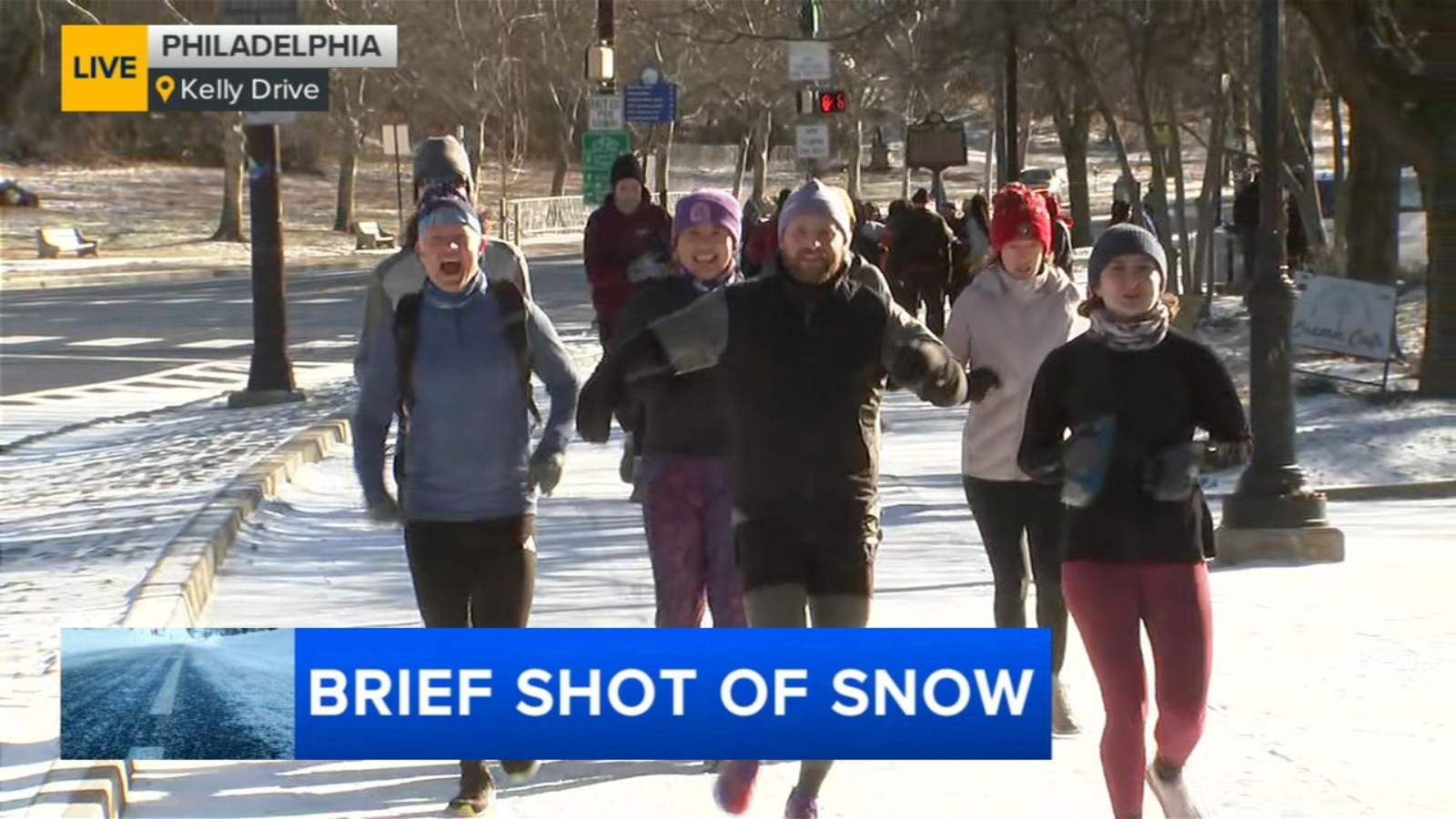
One particularly inspiring scene played out in the hours after the squall passed. Members of Black Men Run Philadelphia, a local running club, gathered for their annual New Year’s Day run , a tradition that has become a hallmark event for the group and the broader community.
Sherman McLeod, a member of the club, captured the sentiment perfectly when he spoke with reporters about why the group shows up every year, regardless of the weather. “It’s not a resolution, it’s a lifestyle for us,” McLeod explained. His words resonated with many, embodying the idea that health, wellness, and community are ongoing commitments rather than one-time pledges made on January 1st only to be abandoned by February.
The sight of runners navigating snow-dusted streets, breath visible in the cold air, was a powerful image of resilience and dedication. It’s also a reminder that Philadelphians have a long history of embracing outdoor activity regardless of the season.
A City That Knows How to Adapt
The snow squall Philadelphia experienced is just one example of how the city adapts to rapidly changing weather conditions. From the crews treating roads at dawn to the runners hitting the pavement once the sun emerged, residents demonstrated the kind of pragmatic resilience that defines the region. Winter weather in the Mid-Atlantic can be particularly unpredictable, with conditions shifting dramatically within hours , and locals have learned to take it in stride.
Looking Ahead: What Comes Next for Winter Weather
While the snow squall that hit Philadelphia on New Year’s Day was brief, it served as an early reminder that winter is fully upon us. Forecasters typically track several weather patterns throughout the season, including:
- Alberta Clippers: Fast-moving systems that can bring quick bursts of snow.
- Nor’easters: Major coastal storms capable of dumping heavy snow across the region.
- Arctic outbreaks: Periods of extreme cold that follow cold fronts.
- Wintry mixes: Events that combine snow, sleet, freezing rain, and rain.
For Philadelphia, which sits in a transitional climate zone, winter often brings a mix of all these conditions. The early January squall was a taste of what’s to come , and a reminder for residents to keep winter emergency kits in their vehicles, stock up on supplies before storms hit, and stay tuned to local forecasts.
Lessons From the First Storm of the Year
There are a few takeaways from this New Year’s Day event that resonate beyond the immediate weather story. First, snow squalls are serious , they’re not just “a little snow” but legitimate hazards that deserve attention and respect. The rapid onset and intense conditions can catch even experienced drivers off guard, making caution essential whenever a Snow Squall Warning is issued.
Second, preparation pays off. The quick response from Philadelphia’s road crews, combined with residents heeding weather alerts, helped prevent what could have been a much more dangerous situation. Communities that invest in winter weather infrastructure and public awareness campaigns tend to fare better when these sudden storms strike.
Finally, community matters. Whether it’s a running club meeting on a chilly morning, neighbors helping each other shovel out, or city workers putting in extra hours to keep streets safe, the response to this snow squall Philadelphia witnessed highlighted the strength of local bonds. In a city known for its tough exterior and warm heart, even a surprise snowstorm can bring out the best in people.
Conclusion: A Frosty Start to a Promising Year
The snow squall Philadelphia experienced on New Year’s Day was a brief but vivid reminder of winter’s power and unpredictability. In just over an hour, the region went from quiet, pre-dawn calm to wind-whipped snowfall and back again , leaving behind a sparkling blanket of snow and a handful of great stories. From the dedicated road crews who treated slick streets at dawn to the intrepid runners who refused to let a little snow interrupt their tradition, the city showed its character once again. As the days grow longer and the calendar marches toward spring, Philadelphians will no doubt face more winter weather challenges. But if this New Year’s Day was any indication, the city is more than ready to take them on , one snowy, sunny, and always spirited day at a time.