
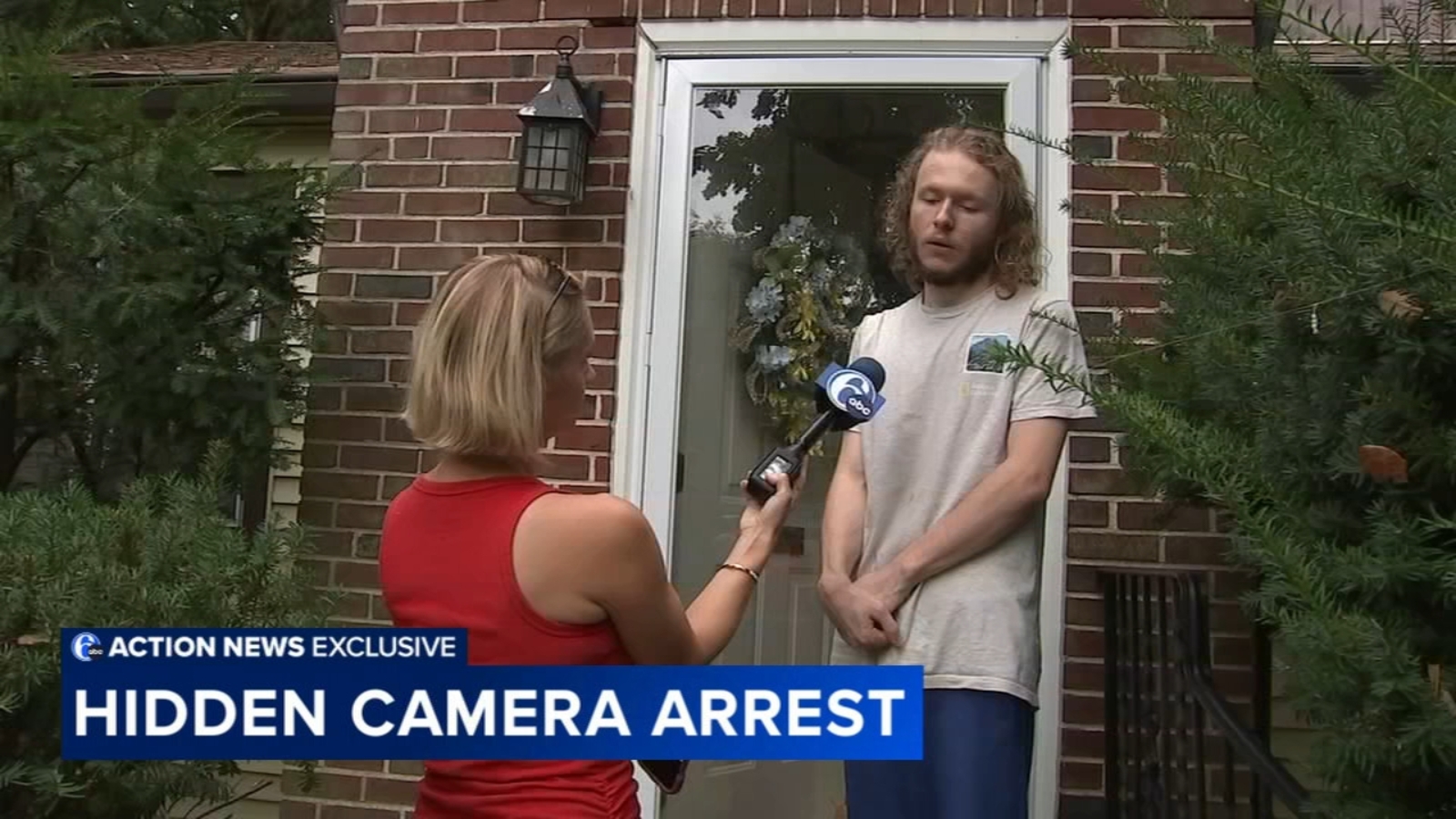
The case of a former school custodian charged in a school bathroom recording scheme has sent ripples through a New Jersey community, raising urgent questions about how such invasive acts can occur in spaces meant to be safe and private. Skyler Moore, a 20-year-old former employee of Waterford Elementary School in Waterford Township, has been charged with invasion of privacy and tampering with evidence after he allegedly concealed a recording cell phone inside a faculty bathroom. The incident, which unfolded in mid-August, has prompted conversations about school safety protocols, employee vetting, and the broader responsibility institutions bear when safeguarding the dignity of those who work within their walls.
While authorities have emphasized that no juveniles were recorded and that the case appears to be isolated, the nature of the alleged conduct has disturbed residents, parents, and school administrators alike. The story has also resurfaced a critical dialogue around hidden recording device incidents in schools and the systems that must evolve to prevent them.
What Happened in the Faculty Bathroom
According to court documents obtained by Action News, the victim,an adult employee participating in a third-party summer program held on the Waterford Elementary School campus,noticed something unusual while using the faculty bathroom on August 14. Disguised beneath a towel and tucked near cleaning supplies was a cell phone. When she picked up the device, the screen revealed it was actively recording.
The discovery prompted immediate action. Staff members were notified, school administrators were alerted, and local police were called to investigate. What followed was a swift chain of events that led investigators directly to Moore, who had reportedly worked as a custodian at the school during the summer months.
Moore’s Confession and Statements to Police
During interviews with law enforcement, Moore allegedly admitted that he had deliberately placed the phone on the bathroom floor. He told investigators that he was attracted to the victim and had positioned the device specifically to capture her. In conversations with reporters, Moore expressed remorse, acknowledging the severity of his actions.
“I should’ve just went and talked to one of my colleagues and told them, ‘Hey, I’m not thinking straight, I need to talk to someone,'” Moore said in a public statement.
He also insisted that he never intended to distribute any of the footage captured by the device. “I wasn’t going to share it or post it online or anything. I know it’s disturbing. I know it’s messed up,” he added.
Despite these claims, the legal consequences remain significant. The charges of invasion of privacy and tampering with evidence carry serious penalties under New Jersey law, and Moore is scheduled to appear in court in the coming weeks.
The District’s Response and Termination
In the wake of the school bathroom recording allegations, the Waterford Township School District moved decisively. According to a memo issued by the school superintendent, Moore was terminated from his custodial position immediately upon confirmation of the misconduct. District officials have cooperated fully with the ongoing police investigation and have worked to reassure both staff and the broader community that the matter is being treated with the gravity it deserves.
One particularly troubling detail that has emerged is the fact that Moore underwent all state-required background checks when he was originally hired the previous year. He passed these screenings without incident, which raises a difficult but necessary question: Can standard background checks truly prevent this kind of employee misconduct?
This case illustrates a gap that exists in many hiring pipelines. Traditional background checks are designed to flag criminal histories, but they cannot predict future behavior, nor can they account for individuals who have not previously been flagged by the justice system. For schools, this reality underscores the importance of layered safeguards, including consistent supervision, anonymous reporting channels, and clear policies around the use of personal devices in sensitive areas of school buildings.
Community Reaction and Broader Concerns
News of the hidden camera incident spread quickly through the surrounding neighborhoods, drawing sharp reactions from residents who said they were alarmed that such an act could occur on elementary school grounds,even if no children were directly victimized.
“He’s invading their privacy. He’s making them feel uncomfortable. And no one should do that to one another,” said Marge Byrne of Audubon, echoing the sentiments of many who followed the story.
While police have stated that the case is isolated and that no minors are believed to have been recorded, the emotional weight of the incident cannot be overstated. For the victim, the violation is deeply personal. For the school community, it represents a breach of the fundamental trust that employees place in their workplace environment.
Why Faculty Bathrooms Are Vulnerable Spaces
Faculty and staff bathrooms in schools often occupy a gray zone in terms of security. Unlike student restrooms, which may be monitored or restricted to certain areas of a building, adult-only facilities are frequently assumed to be low-risk spaces. This assumption, however, can create blind spots where misconduct,including hidden recording device incidents in schools,can go undetected for extended periods.
Experts in school safety have long advocated for periodic checks of all staff-only areas, including bathrooms, lounges, and storage rooms, particularly during off-hours or when third-party programs are using school facilities. The Waterford case demonstrates how third-party programs,summer camps, tutoring services, athletic leagues,can introduce additional layers of complexity to school security, especially when they bring outside personnel into buildings that may not be staffed at full capacity during summer months.
Legal Implications of Invasion of Privacy Charges
Under New Jersey law, invasion of privacy is a serious offense, particularly when it involves the surreptitious recording of an individual in a place where they have a reasonable expectation of privacy. The addition of a tampering with evidence charge suggests that investigators believe Moore took steps to conceal or alter the device after the fact, or that he attempted to interfere with the investigation in some manner.
If convicted, Moore could face significant penalties, including potential jail time, fines, and a permanent criminal record that would follow him for the rest of his life. Beyond the legal consequences, he will also likely be required to register as a sex offender, depending on the final disposition of the case and any additional charges that may be filed.
The Role of School District Policies Moving Forward
In the aftermath of this case, school districts across the region,and indeed across the country,are likely to revisit their policies on employee conduct, device usage, and facility security. While no single policy change can prevent every potential incident, a combination of measures can significantly reduce risk:
- Restricting personal device usage in sensitive areas of school buildings, particularly restrooms, locker rooms, and changing areas.
- Implementing routine inspections of staff-only spaces, especially when outside programs are operating on campus.
- Providing clear reporting channels for employees who notice suspicious behavior or devices.
- Enhancing background check procedures to include more comprehensive screening, ongoing monitoring, and periodic re-credentialing.
- Training supervisors and staff to recognize warning signs of predatory or invasive behavior.
Lessons from the Waterford Township Case
The Waterford Elementary School incident serves as a sobering reminder that violations of privacy can occur anywhere,even in places we consider safe, familiar, and protected. While the victim in this case was an adult employee rather than a student, the trauma of being secretly recorded is profound and lasting. The case also illustrates how the school bathroom recording phenomenon, while thankfully rare, can affect not just students but the entire educational community.
For parents, educators, and administrators, the case underscores the importance of vigilance, transparency, and a willingness to confront uncomfortable realities. Trust is the foundation of any healthy school environment, and incidents like this one erode that foundation in ways that take time, effort, and deliberate policy changes to rebuild.
Conclusion: A Call for Continued Vigilance
As the legal process moves forward and Moore prepares for his court appearance, the Waterford Township community is left to grapple with the aftermath of a deeply unsettling school bathroom recording case. The incident has prompted important conversations about employee screening, facility security, and the responsibility that schools bear to protect everyone who passes through their doors. While authorities have emphasized that no children were victimized and that the case appears isolated, the broader lessons are clear: schools must remain proactive, policies must continue to evolve, and every member of the educational community deserves to work,and learn,in environments where their privacy and dignity are fully respected.