
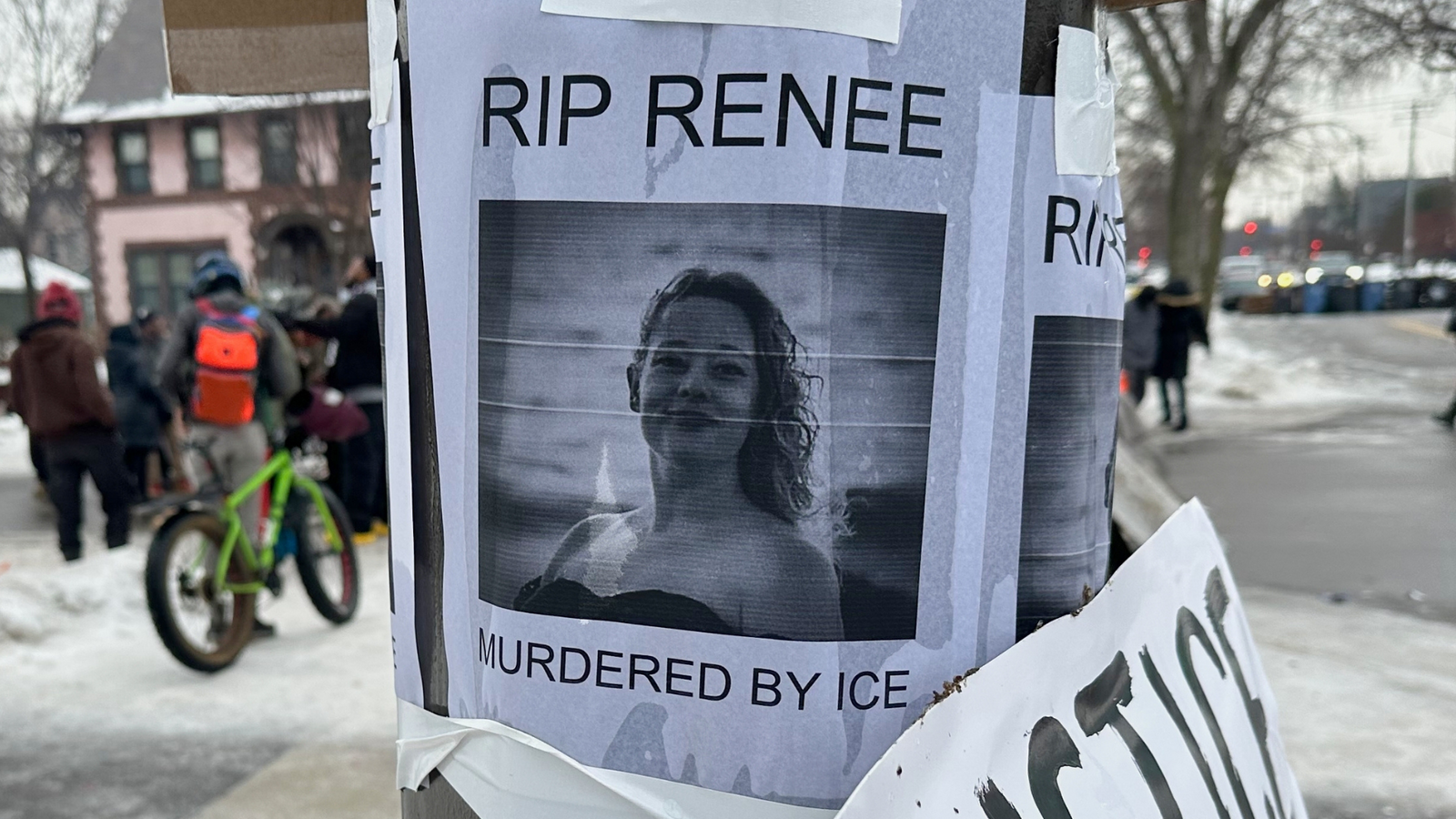
A tragic minneapolis ice shooting on Wednesday has left a community in mourning and sparked national outrage after a 37-year-old mother was fatally shot by an Immigration and Customs Enforcement officer. The incident, captured on multiple videos that quickly went viral, has ignited fierce debate about the use of force by federal agents, the circumstances leading up to the shooting, and the broader implications for immigration enforcement in American cities.
Who Was Renee Good?
Renee Good was more than a name in a headline , she was a daughter, a partner, a mother, and a member of her Minneapolis community whose life was cut short in a matter of seconds. The 37-year-old woman has since been remembered by friends, family, and strangers alike as someone whose warmth and presence touched those around her.
Education and Background
Good was a 2020 graduate of Old Dominion University in Virginia, where she earned a degree in English from the College of Arts and Letters. The university’s president, Brian Hemphill, released a heartfelt statement following her death, expressing profound sadness over the loss of one of the institution’s alumni.
“May Renee’s life be a reminder of what unites us: freedom, love, and peace,” Hemphill said, calling for compassion and reflection during what he described as “one of the darkest and most uncertain periods in our nation’s history.”
Family Life
According to Minnesota Governor Tim Walz, Good is survived by a 6-year-old child and her wife, to whom the governor extended his “deepest sympathies” for what he called “an unimaginable tragedy.” Reports from the Minneapolis Star Tribune, citing a family member, indicate that Good was also the mother of two additional children, who were believed to be living with extended family members at the time of the shooting.
The revelation of her family , particularly her young child , has added a deeply personal dimension to a story already reverberating across the country. For many, Good’s identity as a mother has humanized an incident that might otherwise have been reduced to partisan talking points.
The Minneapolis ICE Shooting Incident
The events of Wednesday unfolded rapidly, with multiple accounts emerging in the hours and days following the shooting. Understanding what happened requires examining the statements from various officials, the footage captured by witnesses, and the broader context of federal immigration operations in the city.
The Federal Account
According to Department of Homeland Security spokesperson Tricia McLaughlin, the incident occurred when Good allegedly “attempting to run over our law enforcement officers” with her maroon Honda SUV. The narrative from federal officials frames the shooting as an act of self-defense, with Homeland Security Secretary Kristi Noem going so far as to call it an “act of domestic terrorism” during a Wednesday press conference. Noem characterized Good’s vehicle as a “deadly weapon” and asserted that the ICE officer involved had followed proper training protocols.
President Donald Trump echoed the federal position, supporting the characterization of the agent’s actions as self-defense. The Department of Homeland Security has stood firmly behind its officer, maintaining that the use of force was justified under the circumstances as described by federal authorities.
Conflicting Local Accounts
Local officials have pushed back forcefully against the federal narrative. Minneapolis Mayor Jacob Frey and Governor Tim Walz have both disputed the claim that the agent’s actions constituted self-defense, pointing to video evidence they say contradicts the federal government’s account.
The Minneapolis Police Department provided its own preliminary account of the incident, stating that Good was in her vehicle and blocking the road when a federal law enforcement officer approached her on foot. According to police, “the vehicle began to drive off” at that point, and “at least two shots were fired” before the vehicle crashed on the side of the roadway.
Crucially, the police statement also noted that “there is nothing to indicate that this woman was the target of any law enforcement investigation or activity,” raising serious questions about why the confrontation occurred in the first place.
Viral Video and Public Reaction
Videos showing the moments leading to and during the minneapolis ice shooting spread rapidly across social media platforms, amassing millions of views within hours. The footage shows Good in her maroon Honda SUV as ICE agents confronted her, with the subsequent shooting captured from multiple angles by bystanders.
The viral nature of the videos has been central to the public’s response, as many viewers have drawn their own conclusions about the reasonableness of the officer’s actions. The visual evidence has fueled protests, vigils, and widespread calls for accountability.
Community Response and Gathering
In the immediate aftermath of the shooting, a large crowd gathered near the scene , a location chillingly close to where George Floyd was killed in May 2020, less than a mile away. The geographic proximity has not been lost on residents or observers, evoking painful memories and underscoring ongoing concerns about the use of force by law enforcement in Minneapolis.
Community members, friends, and strangers have shared memories of Good and messages of sympathy since news of her death broke. Vigils have been organized, and the community has begun the difficult process of grieving publicly while also demanding answers and accountability.
Political Reactions and National Implications
The shooting has predictably become a flashpoint in ongoing national debates over immigration enforcement, federal authority, and the limits of police use of force. Governor Walz, a Democrat, has been particularly vocal in criticizing the federal response, framing the incident as part of a broader pattern of overreach by federal immigration authorities operating in Minnesota communities.
The contrasting statements from federal and local officials highlight a growing tension between Immigration and Customs Enforcement operations and the cities in which they take place. This minneapolis ice shooting has become a focal point for arguments on both sides of the immigration debate, with supporters of stricter enforcement citing the federal account while critics point to the videos and local officials’ statements as evidence of excessive force.
Homeland Security Secretary Noem’s characterization of the incident as “domestic terrorism” has drawn particular scrutiny, with critics arguing that the label is inappropriate given the circumstances and the lack of evidence that Good was the target of any investigation.
National Guard Preparation
Concerned about the potential for unrest, Governor Walz announced that he has issued a “warning order” to prepare the Minnesota National Guard. According to the governor, soldiers are currently in training and prepared to be deployed “if necessary.” Walz has simultaneously urged “peaceful resistance,” striking a careful balance between acknowledging the community’s right to protest and maintaining public safety.
The deployment preparations echo similar measures taken in other cities where federal immigration operations have sparked significant public response, reflecting the broader anxieties about how such incidents will be received by the communities in which they occur.
Unanswered Questions and the Path Forward
Several critical questions remain unanswered in the wake of the incident. Why was Good confronted by ICE agents if she was not the target of any investigation or law enforcement activity? What precisely occurred in the moments captured on video? And will any investigation be conducted into the officer’s actions, and by whom?
The answers to these questions will likely shape not only the local response to Good’s death but also the broader national conversation about immigration enforcement tactics, the use of lethal force, and the relationship between federal agencies and the communities they serve.
Conclusion
The minneapolis ice shooting that claimed Renee Good’s life represents a profound tragedy on multiple levels , the loss of a young mother, the deepening of community wounds in a city still healing from past traumas, and the escalation of tensions between federal authorities and local communities. As investigations proceed and the public grapples with conflicting accounts of what happened, one thing remains clear: a 6-year-old child has lost a parent, a wife has lost her partner, and a community has lost a neighbor. The circumstances of that loss , and the accountability that follows , will continue to be examined in the days, weeks, and months ahead, with implications that extend far beyond the streets of Minneapolis.