
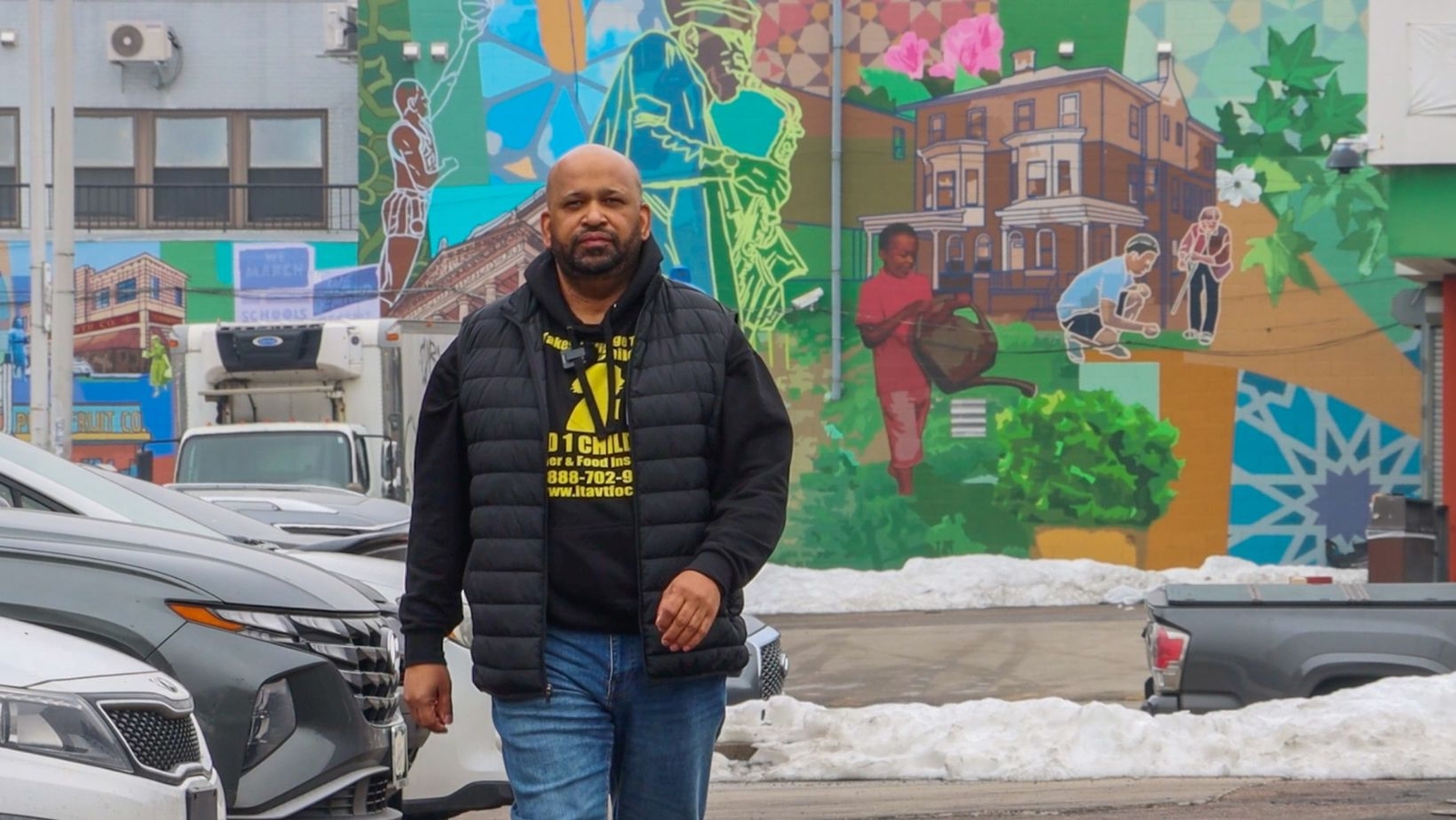
In the heart of Philadelphia, a powerful nonprofit movement is transforming lives one meal at a time. It Takes a Village to Feed One Child , a name that captures both the urgency and the community spirit behind a remarkable food assistance initiative , has become a lifeline for vulnerable populations across the region. Founded by Mark Wainwright, this organization is redefining what it means to fight food insecurity in urban America, serving hundreds of thousands of meals every single month through partnerships with day care centers, senior programs, and community resources.
The Mission Behind the Movement
At its core, It Takes a Village to Feed One Child is built on a simple but profound belief: no one should go hungry when communities have the resources to provide consistent, nutritious food. The nonprofit operates as a behind-the-scenes support system for organizations that already serve the public , taking the heavy burden of meal preparation off their shoulders so they can focus on their core missions.
Rather than running a single food kitchen or pantry, this Philadelphia nonprofit has developed an innovative distribution model. It supplies ready-to-serve meals to day care centers for children and adults, senior care facilities, and various community-based programs. This approach allows frontline organizations to dedicate their energy, funding, and staff attention to the people they serve, while reliable, varied meals arrive consistently at their doors.
Inspiration Rooted in Family
The driving force behind this community feeding program is founder Mark Wainwright, whose personal story gives the mission its emotional depth. Wainwright grew up watching his mother give back to the community despite raising four boys as a single parent. Her example of selfless service in the face of personal challenge left an indelible impression.
“My mom inspired it,” Wainwright explains. “Growing up, I saw firsthand how she gave back to the community despite being a single mom of four boys. And it kind of resonated with me there. It stuck with me and is still with me today.”
This deeply personal inspiration continues to shape every decision the organization makes. The nonprofit’s name itself echoes the African proverb “it takes a village to raise a child,” but reframed around the most fundamental human need: food.
Reaching Communities at Scale
Perhaps the most impressive aspect of It Takes a Village to Feed One Child is the sheer scale of its impact. With the help of state funding, the organization estimates serving more than 200,000 meals monthly throughout the Philadelphia area. This staggering figure represents hundreds of thousands of individuals who, without these meals, might face difficult choices between food and other necessities.
The scale is particularly noteworthy because the organization isn’t simply handing out food baskets. Each meal is carefully planned, prepared with nutritional balance in mind, and delivered ready to serve. This is professional-grade meal preparation at nonprofit scale , a model that other cities are beginning to study and replicate.
Partner Spotlight: Penn Village Adult Day Care
One of the nonprofit’s most consistent partners is Penn Village Adult Day Care, a facility that provides essential daytime services for seniors and adults who need supervised care. Owner and operator Neil Kaneria has witnessed firsthand how access to reliable, varied meals transforms the well-being of participants.
“If you have something to look forward to, something to wake up to, your health kind of improves as a result of it,” Kaneria explains. “The menu is varied so it doesn’t repeat. Getting that free of cost for seniors, what it does is it allows us to focus more on the quality of the program.”
This partnership illustrates the multiplier effect of strategic nonprofit collaboration. By receiving meals at no cost, Penn Village Adult Day Care can redirect its budget toward enhanced programming, better staff training, and improved facilities. The seniors who attend benefit from both the nutritious food and the elevated quality of services that the partnership makes possible.
The Ripple Effect of Reliable Nutrition
The benefits of consistent meal programs extend far beyond simple calorie intake. Research consistently shows that access to regular, nutritious food correlates with:
- Improved mental health outcomes for seniors and vulnerable adults
- Better medication adherence, as some medications work better with regular meals
- Stronger immune system function across age groups
- Enhanced cognitive engagement and participation in programming
- Reduced social isolation, as mealtime becomes a community-building activity
When organizations like It Takes a Village to Feed One Child handle the food, the partner agencies see improvements across virtually every metric they track.
Addressing Philadelphia’s Food Insecurity Crisis
Philadelphia, like many major American cities, faces ongoing challenges with food insecurity. The U.S. Department of Agriculture estimates that hundreds of thousands of Philadelphians experience limited or uncertain access to adequate food at any given time. Children, seniors, low-income families, and individuals with disabilities are disproportionately affected.
Nonprofit meal programs represent one of the most effective interventions in this landscape. Unlike emergency food pantries, which provide groceries for home preparation, prepared-meal programs reach individuals who may not have access to functional kitchens, the ability to cook, or the stability to plan meals. The model that It Takes a Village to Feed One Child has developed , partnering with established community organizations rather than competing with them , has proven especially effective.
Why Partnership-Based Models Work
The traditional charity model often involves well-intentioned organizations duplicating efforts or working in silos. The partnership approach flips this dynamic. By serving as a meal provider to organizations already trusted by the community, the nonprofit gains:
- Built-in distribution networks through established service providers
- Community trust inherited from partner organizations
- Operational efficiency by focusing on one core competency: meal provision
- Broader reach than any single organization could achieve alone
How State Funding Amplifies Impact
One critical factor in the organization’s ability to serve over 200,000 meals monthly is the strategic use of state funding. Government partnerships enable nonprofits to achieve a scale that would be impossible through donations alone. This funding model allows for:
- Centralized kitchen operations that meet health and safety standards
- Professional staff trained in nutrition and food safety
- Reliable supply chains that maintain consistency
- Quality control measures ensuring every meal meets nutritional guidelines
This blend of public funding and nonprofit execution represents one of the most efficient ways to address food insecurity at scale. Tax dollars are channeled directly to outcomes , actual meals served to people who need them.
The Broader Movement: Community Food Programs Across America
The Philadelphia-based initiative is part of a much larger movement of community food programs emerging across the United States. Cities from coast to coast are recognizing that sustainable solutions to food insecurity require more than emergency handouts. They require systematic, reliable, dignified meal provision integrated into existing community services.
Organizations similar to It Takes a Village to Feed One Child are operating in cities like New York, Los Angeles, Chicago, Houston, and Detroit. Each adapts the model to local conditions, but the fundamental principle remains the same: consistent, varied meals delivered through trusted community partners create transformative change.
Getting Involved: How You Can Help
For readers inspired by the work of this Philadelphia nonprofit, there are meaningful ways to contribute to the broader mission of fighting food insecurity:
1. Support Local Food Nonprofits Directly
Donations to organizations like It Takes a Village to Feed One Child help maintain and expand meal services. Even modest monthly contributions can fund hundreds of meals through bulk purchasing power.
2. Volunteer Your Time
Many community feeding programs rely on volunteers for everything from meal preparation to delivery to administrative support. Reaching out to local organizations to offer time is one of the most valuable contributions possible.
3. Advocate for Funding
State and federal nutrition programs are continually subject to budget decisions. Contacting elected officials to express support for these programs helps ensure they remain funded.
4. Reduce Food Waste
Supporting food rescue organizations and businesses that donate surplus food creates a sustainable complement to prepared-meal programs.
Looking Toward the Future
The work of It Takes a Village to Feed One Child demonstrates what’s possible when vision meets execution. By staying focused on one critical need , consistent meal provision , and building strategic partnerships rather than parallel programs, the organization has achieved remarkable scale. Its model offers a blueprint that other communities can adapt and adopt.
As Philadelphia continues to grapple with food insecurity challenges, organizations like this one provide hope and tangible relief. The 200,000 meals served monthly represent more than just calories and nutrients , they represent dignity, consistency, and the message that the community sees and cares about those in need.
Conclusion
The story of It Takes a Village to Feed One Child is ultimately a story about the power of focused, compassionate action. Mark Wainwright took his mother’s example of community service and transformed it into an organization that nourishes thousands of Philadelphians every single day. Through partnerships with adult day cares and community organizations, supported by thoughtful use of public funding, the nonprofit proves that solving food insecurity is not only possible , it’s already happening, one meal at a time.
For those looking to learn more, support the cause, or get involved, reaching out to the organization directly or visiting their website offers the best starting point. In a world where hunger remains one of the most solvable problems we face, every meal served, every partnership built, and every community member supported brings us one step closer to a future where no one goes hungry.