
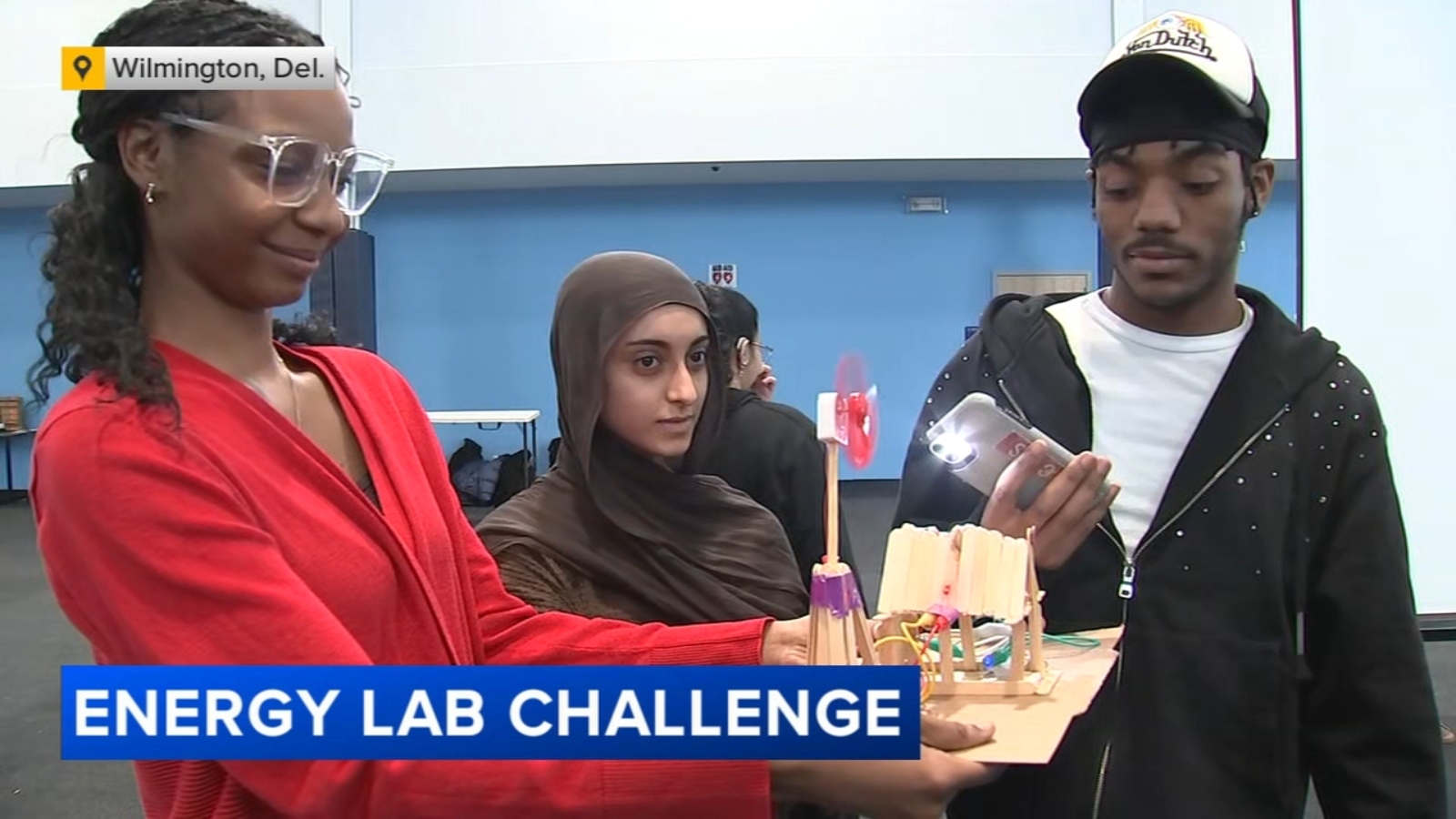
Students at a charter school in Wilmington, Delaware recently participated in an inspiring renewable energy lab challenge that pushed them to design and construct functional structures powered entirely by wind and solar energy. Held at The Freire Charter School, this hands-on competition brought together high school students, professional engineers, and physicians for a day of innovation, problem-solving, and real-world STEM application. The event also served as a meaningful way to commemorate Black History Month, highlighting the contributions of African American innovators while inspiring the next generation of clean energy leaders.
This dynamic renewable energy lab experience demonstrates how educators are reimagining classroom learning to prepare students for the rapidly evolving green economy. By combining project-based learning with mentorship from industry professionals, the program offered students a glimpse into careers in sustainable engineering, energy policy, and environmental science.
The Challenge: Designing Structures Powered by Nature
At the heart of the renewable energy lab competition was a deceptively simple prompt: build a structure that runs exclusively on renewable power sources. Students were tasked with harnessing the natural forces of wind and sunlight to generate enough electricity to operate their designs. Whether they created miniature homes, functional lighting systems, or creative architectural prototypes, every team had to think critically about energy generation, storage, and consumption.
The constraints made the challenge especially rigorous. Without access to traditional power sources, students had to consider several engineering principles:
- Solar panel placement and orientation for maximum sun exposure
- Wind turbine blade design for optimal aerodynamic efficiency
- Battery storage capacity to hold energy for cloudy or still conditions
- Load management to balance energy production with consumption needs
- Structural integrity to ensure designs could withstand outdoor conditions
By tackling these considerations, students engaged with the same fundamental concepts that professional renewable energy engineers address in their daily work. This approach to STEM education transforms abstract physics and engineering principles into tangible, observable outcomes.
Why a Renewable Energy Lab Matters for Modern Education
Traditional science classrooms often rely on textbooks and theoretical exercises, but today’s students benefit enormously from experiential learning opportunities. A renewable energy lab pushes learners beyond memorization and into the realm of creative problem-solving, data analysis, and iterative design thinking.
The skills students develop in such programs extend far beyond the technical aspects of solar and wind power. They learn collaboration, project management, time management, and how to communicate complex ideas to diverse audiences. These soft skills are increasingly valued in the modern workforce and complement the technical knowledge gained from hands-on experimentation.
Furthermore, exposure to renewable energy concepts at the high school level can shape academic and career trajectories. Students who participate in energy-focused projects often pursue degrees in:
- Electrical and mechanical engineering
- Environmental science
- Architecture and sustainable design
- Computer science (especially for energy modeling and smart grid applications)
- Public policy and energy economics
The Role of Professional Mentors
One of the standout features of the Wilmington event was the involvement of practicing professionals. Engineers and physicians volunteered their time to guide students through technical challenges, answer questions, and share insights from their own career journeys. This mentorship component transforms a renewable energy lab from a simple classroom exercise into a powerful career exploration opportunity.
The presence of physicians alongside engineers was particularly noteworthy. It underscored an important message: STEM is not a single discipline but a network of interconnected fields. Healthcare professionals increasingly rely on engineering innovations, while engineers benefit from understanding biological systems and human-centered design principles. By exposing students to this interdisciplinary reality, the program helped broaden their definition of what a STEM career could look like.
Mentorship programs like this also help address representation gaps in technical fields. When students from underrepresented backgrounds see professionals who share their cultural heritage thriving in STEM careers, it can shatter limiting beliefs and open new pathways. This is precisely why the timing of the event, tied to Black History Month, felt especially meaningful.
Honoring Black History Month Through Innovation
The renewable energy lab competition coincided with Black History Month, transforming the event into a celebration of African American achievement and possibility. Throughout American history, Black inventors, scientists, and engineers have made enormous contributions to energy technology and infrastructure, often without the recognition they deserved.
Some notable figures whose legacy connects to the event’s themes include:
- Lewis Howard Latimer, who improved the carbon filament design for incandescent light bulbs and held patents related to electrical lighting systems
- Granville T. Woods, known as the “Black Edison,” who invented numerous electrical devices including improvements to the telegraph and telephone
- Otis Boykin, whose resistor innovations were used in everything from guided missiles to household electronics
By framing the renewable energy lab within this historical context, organizers sent a powerful message to students: the future of clean energy belongs to them. They are the inheritors of a legacy of Black innovation, and they have both the opportunity and the responsibility to shape the next chapter of sustainable technology.
Real-World Applications of Classroom Learning
Perhaps the most valuable takeaway from the renewable energy lab experience is how directly it mirrors real-world renewable energy deployment. Communities across the country are increasingly turning to solar panels, wind turbines, and microgrid systems to reduce energy costs, improve resilience, and shrink their carbon footprints. The students who participated in this competition learned foundational concepts that apply directly to these growing industries.
For example, the process of sizing a solar array for a small structure requires students to calculate:
- Average daily energy consumption in watt-hours
- Peak sun hours available at their geographic location
- System efficiency losses from wiring, inverters, and battery conversion
- Required panel wattage and battery capacity to meet demand
These are precisely the calculations a residential solar installer performs when designing a rooftop array for a homeowner. By practicing in a renewable energy lab setting, students build familiarity with the tools, terminology, and methodology used by industry professionals.
Building a Pipeline for the Clean Energy Workforce
The renewable energy sector is one of the fastest-growing job markets in the United States. According to industry analyses, jobs in solar, wind, battery storage, and energy efficiency are expanding at well above the national average wage and employment rate. Yet many employers report difficulty finding qualified candidates with hands-on experience.
Programs like the renewable energy lab competition at Freire Charter School help address this talent gap by introducing students to clean energy careers early in their academic journey. When students graduate from high school with practical experience designing solar and wind systems, they enter college or the workforce with a significant advantage.
Some students may pursue traditional four-year engineering degrees, while others might enroll in technical training programs that lead directly to installer or technician positions. Still others might use their experience as a springboard into research, policy advocacy, or entrepreneurship within the clean energy space.
Community Impact and Looking Ahead
Events like the Wilmington renewable energy lab do more than educate individual students. They strengthen entire communities by building awareness of sustainability issues and showcasing the local talent pipeline. Families who attend such events often learn alongside their children, gaining new appreciation for renewable energy options available in their own homes and neighborhoods.
Schools across the country are increasingly adopting similar programs, often with support from local utilities, nonprofits, and government grants. As more students gain exposure to renewable energy education, the cultural shift toward sustainability accelerates, creating demand for cleaner products, services, and policies.
The success of the Freire Charter School event also demonstrates the power of partnership. By bringing together educators, industry professionals, and community organizations, the school created an experience far richer than any single institution could provide alone. This collaborative model offers a template for other schools seeking to launch their own renewable energy lab initiatives.
Conclusion: Empowering the Next Generation of Innovators
The renewable energy lab competition at Freire Charter School stands as a shining example of how education can inspire, equip, and empower young people to tackle the defining challenges of their generation. By combining hands-on engineering challenges with mentorship from working professionals and a meaningful connection to Black History Month, the program created an experience that was at once technically rigorous, culturally resonant, and deeply motivating.
As the world transitions toward cleaner energy systems, the students who participated in events like this will be uniquely positioned to lead the way. They have tasted the satisfaction of designing something that works, learned from experts who have walked the path before them, and seen firsthand that their generation has both the creativity and the capability to build a more sustainable future.
Whether they pursue careers in engineering, medicine, environmental advocacy, or entirely new fields yet to be imagined, these students carry with them the lessons of the renewable energy lab: that complex problems can be solved through curiosity, collaboration, and a willingness to experiment. The future of clean energy will be brighter because of programs like this, and the communities that invest in such educational opportunities today will reap the rewards for generations to come.