
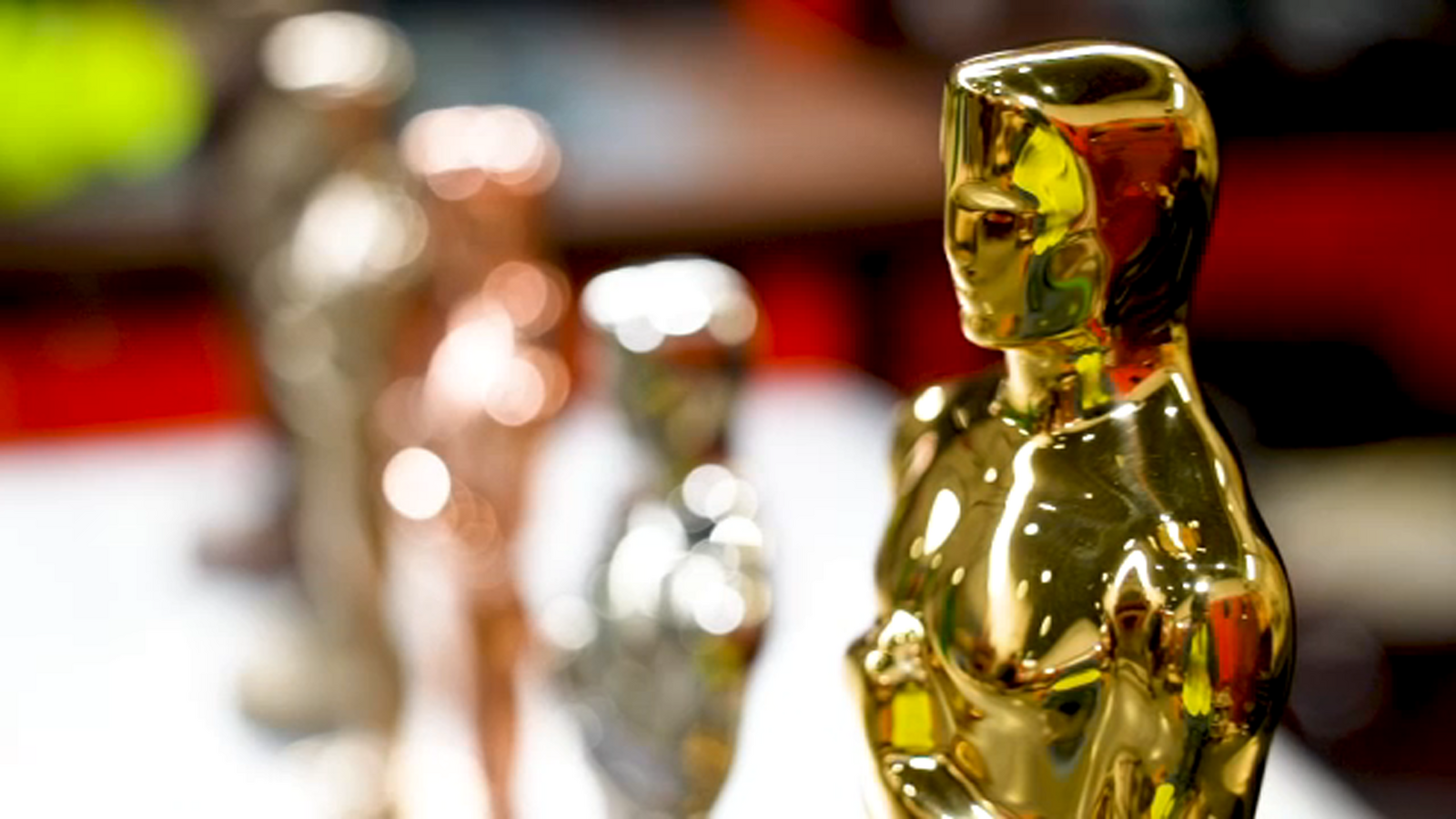
Ever wondered how Oscar statues are made? Behind every golden figure clutched by a tearful winner on Hollywood’s biggest night lies a remarkable journey of artistry, metallurgy, and meticulous craftsmanship. Each Academy Award statuette begins as humble wax and transforms into an iconic 24K gold-plated bronze masterpiece through a six-month production process that has remained largely unchanged for decades. Let’s pull back the curtain and explore the fascinating manufacturing process behind the world’s most coveted trophy.
The Birthplace of Hollywood’s Most Famous Trophy
Every Oscar statuette that has graced the red carpet for the past decade has originated from a single location: Urban Art Projects, a manufacturing facility nestled in the small town of Rock Tavern, New York. This unassuming workshop, located about 70 miles north of Manhattan, serves as the exclusive production home for the Academy’s most prized possession.
According to manufacturing manager Ivan Goodman, there’s something deeply meaningful about crafting these objects. “It gives it a sense of timelessness. It’s this heavy object. It’s meaningful,” he explained. That sentiment resonates throughout the facility, where skilled artisans treat each statuette not as mere merchandise but as a piece of cultural history in the making.
By the Numbers: The Anatomy of an Oscar
Before diving into the production process, consider these impressive specifications:
- Height: 13.5 inches tall
- Weight: 8.5 pounds
- Production time: Approximately six months per statuette
- Material core: Bronze
- Finish: 24K gold plating
- Identifying feature: Unique serial number stamped by AMPAS
Step 1: The Wax Original
The Oscar statue production process begins with a wax figure. This initial form serves as the foundation for everything that follows. The wax allows artisans to capture every detail of the iconic design,a knight standing triumphantly on a film reel, holding a crusader’s sword downward across his chest.
The design itself carries fascinating history. Originally sketched by Cedric Gibbons, the legendary MGM art director, and sculpted by George Stanley, the figure has remained remarkably consistent since 1928. Yet each new batch must still start from scratch, with workers meticulously preparing fresh wax models for the casting process.
Smoothing and Preparation
Once the wax figure takes shape, every line, curve, and contour must be smoothed and prepped for the next critical phase. This stage demands exceptional attention to detail. Even microscopic imperfections in the wax will transfer to the final bronze casting, so skilled technicians spend countless hours perfecting each piece before moving forward.
Step 2: The Ceramic Shell
After the wax achieves the desired finish, it’s ready for a ceramic bath. This process is part of the ancient “lost wax casting” technique, a method that artisans have used for thousands of years to create metal sculptures. The wax figure is repeatedly dipped in ceramic slurry and coated with a heat-resistant shell, building up layers that will eventually form the mold for the bronze.
This stage requires patience and precision. The ceramic must dry completely between coats, and any air bubbles or thin spots could compromise the structural integrity of the final piece. It’s one of the many reasons why Oscar statue production stretches across six months,quality cannot be rushed.
Step 3: Bronze Casting
Once the ceramic shell hardens around the wax, the entire assembly is heated to extreme temperatures. The wax melts and drains out, leaving a hollow ceramic mold in the exact shape of the statuette. Molten bronze is then poured into this void, filling every detail captured in the original wax figure.
The bronze core gives the Oscar its signature heft,those 8.5 pounds of weight that winners feel in their hands as they clutch their award during acceptance speeches. This substantial bronze foundation is also what gives the statue its timeless quality and durability, ensuring these trophies can survive generations of handling, display, and even the occasional tumble.
Step 4: The Journey to New York City for 24K Gold Plating
After the bronze casting cools and the ceramic shell is removed, the raw statuette embarks on its next adventure: a 70-mile journey south to New York City. This is where the magic of the gold finish happens.
The bronze figure receives a stunning 24K gold coating through an electroplating process. This isn’t mere paint or surface coloring,the gold is molecularly bonded to the bronze surface, creating a finish that resists tarnishing and wear. The brilliant, mirror-like sheen that cameras capture on Oscar night comes from this meticulous plating work.
Why 24K Gold?
The choice of pure 24-karat gold isn’t accidental. The Academy wanted their trophy to embody prestige and lasting value. Pure gold provides:
- Maximum brilliance and reflectivity under stage lighting
- Corrosion resistance that preserves the finish for decades
- Cultural symbolism representing the pinnacle of achievement
- Premium quality befitting the entertainment industry’s highest honor
Step 5: Return to Rock Tavern for Assembly
Fresh from its golden transformation, the statuette returns to its birthplace in Rock Tavern for assembly and finishing touches. Workers attach the iconic black base and conduct final inspections, polishing the gold to perfection and ensuring every statuette meets the Academy’s exacting standards.
Finishing Team Lead Salvador Guzman, Jr. describes the emotional payoff of this work: “I get overwhelmed with joy watching it on TV, you know, it’s a lot of sweat, hard work, and talent that goes behind it.” That sentiment captures what makes this manufacturing process unique,every worker knows their labor will be celebrated on a global stage.
Step 6: Serial Numbers and Shipping to the Academy
Before the Oscars can be presented, each one receives its own identity through a unique serial number stamped by AMPAS (the Academy of Motion Picture Arts and Sciences). This numbering system provides authentication and helps the Academy track each statuette throughout its existence.
Once numbered, the finished trophies are carefully packaged and shipped to Los Angeles, where they’ll sit in secure storage until they’re loaded onto carts and rolled toward the stage on Hollywood’s biggest night.
The Secret Behind the Oscar’s Timeless Appeal
What makes the Oscar statuette so enduring isn’t just its golden exterior,it’s the perfect storm of design, materials, and craftsmanship. The knight design represents the industry’s chivalric ideal, while the film reel base literally grounds the award in cinema itself. The substantial weight provides tangible satisfaction, and the 24K gold finish ensures each winner holds something truly valuable.
Unlike many modern awards that incorporate crystals, glass, or synthetic materials, the Oscar remains committed to traditional craftsmanship. There’s no shortcut to creating these statues,no 3D printers or mass-production shortcuts. Each one requires human hands, human judgment, and human artistry at virtually every stage.
Fun Facts About Oscar Manufacturing
Beyond the basic production process, here are some fascinating details that highlight the unique nature of Oscar statuette manufacturing:
- World War II metal shortage: From 1942 to 1944, Oscars were made of painted plaster instead of metal due to wartime material restrictions. Winners could later exchange them for metal versions.
- Artistic consistency: Despite changes in ownership and manufacturing locations, the statuette design has remained remarkably consistent since 1929.
- Limited edition categories: Special categories like the Honorary Award sometimes receive slightly different treatments or sizes.
- Replacement policy: If an Oscar is damaged or stolen, winners can request a replacement, though it comes with a fee for most categories.
Conclusion: More Than Just a Trophy
Understanding how Oscar statues are made reveals why these awards carry such profound cultural weight. From the initial wax figure in a small New York workshop to the gleaming 24K gold trophy handed to a tearful winner on stage, each statuette represents six months of human dedication. The combination of traditional lost-wax casting, bronze craftsmanship, and gold plating creates an object that truly embodies cinematic excellence.
So the next time you watch your favorite star accept their Academy Award, take a moment to appreciate the journey that brought that statue to their hands. Every scratch-resistant surface, every precisely polished curve, every individually stamped serial number represents the work of artisans who take pride in creating something meaningful. The Oscar isn’t just manufactured,it’s crafted with the kind of care and reverence that makes Hollywood’s highest honor feel truly timeless.
Whether you’re a film buff, a manufacturing enthusiast, or simply curious about the magic behind the movies, the story of Oscar statuette manufacturing reminds us that great achievements often rest on the shoulders of unseen craftsmen whose work deserves celebration just as much as the winners who hold their creations aloft.